
An RF Splitter, also called an RF Power Divider, is a passive RF component designed to divide one input signal into multiple output signals while maintaining the same frequency range and signal format.
RF splitters are widely used in DAS systems, 5G networks, indoor coverage projects, WiFi systems, public safety communication networks, and RF testing applications.
A simple way to understand an RF splitter is to imagine a river flowing around a rock. The water separates into two smaller streams while still moving in the same direction.

In an RF system, the splitter performs a similar task — except instead of dividing water, it divides RF power.
A single RF signal enters the device and is distributed across multiple output ports. The signal waveform and frequency remain unchanged, but the output power is reduced because the energy is shared between the outputs.
For example, a standard 2-way RF splitter divides one input signal into two output signals. Each output port typically carries around half of the original signal power, excluding insertion loss.
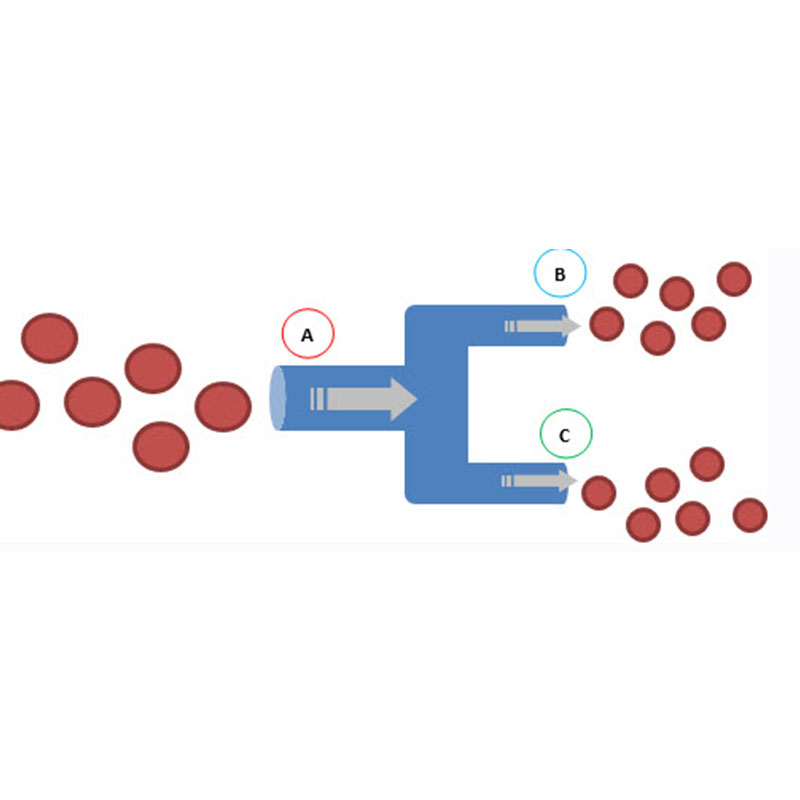
This is why RF power splitters are commonly used when one signal source needs to feed multiple antennas, radios, or communication devices at the same time.
Whenever an RF signal is divided into multiple paths, the available power is shared among the outputs. This is a normal characteristic of passive RF devices.
In a typical 2-way RF splitter:
Although the signal power decreases, the frequency and waveform remain stable, allowing reliable communication performance across multiple connected devices.

RF splitters are commonly used in:
Selecting the correct RF splitter is important for maintaining signal quality and reducing unnecessary signal loss in wireless communication systems.
Engineers usually consider the following factors:
Choosing the proper RF power divider helps improve network stability and supports more reliable wireless coverage, especially in large-scale antenna deployment projects.
As wireless communication networks continue to expand, RF splitters remain one of the most important passive RF components used in modern infrastructure. From small indoor DAS deployments to large multi-operator base station systems, they help distribute RF signals efficiently while maintaining stable network performance.
Do you have any questions ?
Call Us : +86 551 65329702