-
 Understanding Jumper Cables in RF Systems
Apr , 07 2025
Understanding Jumper Cables in RF Systems
Apr , 07 2025
What They Are and Why They Matter Jumper cables, also known as RF jumpers or feeder jumpers, are short coaxial cables used to connect various components in an RF transmission system. Though seemingly simple, they play a crucial role in ensuring signal integrity, mechanical flexibility, and overall system performance in wireless infrastructure. 1. What is a Jumper Cable? A jumper cable is a flexibl...
View more
-
Active vs Passive RF Components: Key Differences and Applications
Apr , 14 2025
Introduction In wireless communication, radar systems, and IoT devices, radio frequency (RF) components are critical for signal processing. Understanding the differences between active RF components and passive RF components is essential for circuit design, cost optimization, and performance enhancement. This article explores their core distinctions through technical ...
View more
-
What is an RF Filter?
Apr , 18 2025
In high-frequency electronic systems like wireless communications, radar systems, and medical devices, RF filters (Radio Frequency Filters) act as "traffic controllers" for signals. These critical components precisely screen specific frequency ranges, ensuring optimal device performance. This article breaks down the core technology behind RF filters and addresses key selection criteria e...
View more
-
5G-Advanced Accelerates New Requirements for In-building RF Infrastructure
Apr , 28 2025
As 5G-Advanced (5G-A) technology emerges, it brings higher speeds, lower latency, and smarter network capabilities, reshaping expectations for in-building wireless systems. Modern facilities—such as offices, airports, and hospitals—now require more advanced Distributed Antenna Systems (DAS) capable of supporting higher frequency bands and broader bandwidths. Traditional infrastructure must evolve....
View more
-
What common products and technical equipment are used in radio systems?
May , 10 2025
Modern radio systems are widely used in wireless communication, broadcasting, radar, satellite communication, navigation, and industrial networking applications. From 5G base stations and DAS systems to IoT infrastructure and satellite networks, radio communication relies on multiple RF devices working together to transmit, receive, and process signals efficiently. A complete RF communication syst...
View more
-
Why Use a Hybrid Coupler? Understanding Its Role in RF Systems
May , 14 2025
In RF and microwave systems, signal routing, splitting, and combining require high-precision components that minimize losses and distortion. One such essential component is the hybrid coupler. But why use a hybrid coupler instead of standard power dividers or directional couplers? This article explores the purpose, benefits, and applications of hybrid couplers—especially in systems where signal ph...
View more
-
Yagi Antenna: Key Advantages and Primary Applications
May , 16 2025
Key Advantages of Yagi Antennas: High Gain and Directivity Yagi antennas are highly directional, focusing radio frequency (RF) energy into a narrow beamwidth. This directional radiation pattern allows for significant gain (typically 8–15 dBi), making them ideal for long-distance communication. The focused beam minimizes interference from unwanted directions, improving signal-to-noise ratios. Cost-...
View more
-
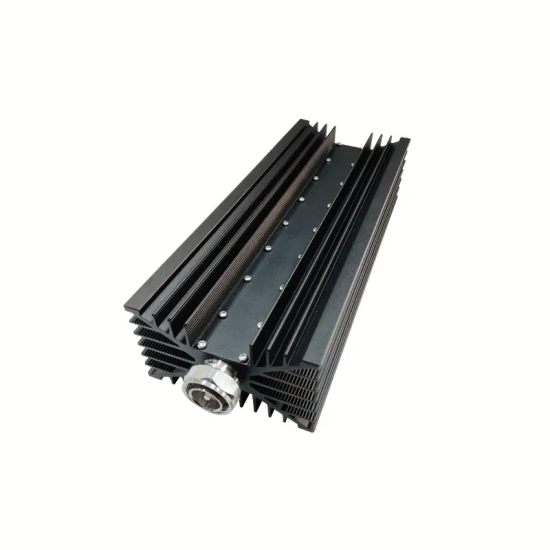 How To Test The Power of a Load
May , 21 2025
How To Test The Power of a Load
May , 21 2025
To test the power of a load, you can follow these steps: Gather Equipment: You'll need a multimeter, wattmeter, or power analyzer, depending on the accuracy required. Connect the Load: Ensure the load (such as a resistor, motor, or appliance) is properly connected to the power source. Measure Voltage: Use the multimeter to measure the voltage across the load. Make sure to set the multimeter to the...
View more