-
 How to Choose 6dB, 10dB, 15dB, or 20dB Couplers
Nov , 29 2025
How to Choose 6dB, 10dB, 15dB, or 20dB Couplers
Nov , 29 2025
One of the questions we hear most often from engineers is: “Should I use a 6dB, 10dB, 15dB, or 20dB coupler — and what’s the real difference in coverage?” On paper, these numbers look like simple coupling values. But from more than two decades of manufacturing RF passive components, we know something very clearly: Choosing the wrong coupling value can break your coverage balance, distort the ...
View more
-
What's the Difference Between a Combiner and a Hybrid?
Dec , 06 2025
In RF system design and engineering projects, "Combiner" and "Hybrid Coupler (or Hybrid Combiner)" are often mentioned, but they are not the same. Their applications and performance characteristics differ significantly. Basic Concepts and Technical Differences Hybrid Coupler (Hybrid Combiner) is typically a four-port device based on coupled lines, transmission line theory, or branch-line / ring st...
View more
-
RF Combiner Working Principle and Engineering Analysis
Dec , 13 2025
In wireless communication systems, the RF Combiner is a critical passive RF component. From an engineering perspective, I will analyze the design, performance, installation, and application of RF Combiners, and provide examples based on representative products from Maniron Electronic. 1. Basic Principle of RF Combiner From an engineering standpoint, the core function of an RF Combiner is to combin...
View more
-
Mastering RF Distribution: A Comprehensive Guide to Power Splitters and High-Performance Solutions
Dec , 20 2025
In modern wireless communication systems—ranging from 5G In-Building Solutions (IBS) to advanced satellite networks—the Power Splitter (Power Divider) serves as the critical "traffic hub" for RF signals. Whether distributing a signal to multiple antennas or combining signals in a laboratory environment, choosing the right splitter is paramount to system integrity. 1. What Does a Power Splitter Do?...
View more
-
Top 10 RF Passive Components for Reliable Wireless Communication
Dec , 27 2025
In every reliable wireless network — whether it’s a DAS inside a hospital, a 5G macro site, or a public safety system — performance does not start with software. It starts with RF passive components. From our perspective as a manufacturer, most network issues we see in the field are not caused by active equipment failure. They are caused by mismatched, underrated, or poorly selected passive compon...
View more
-
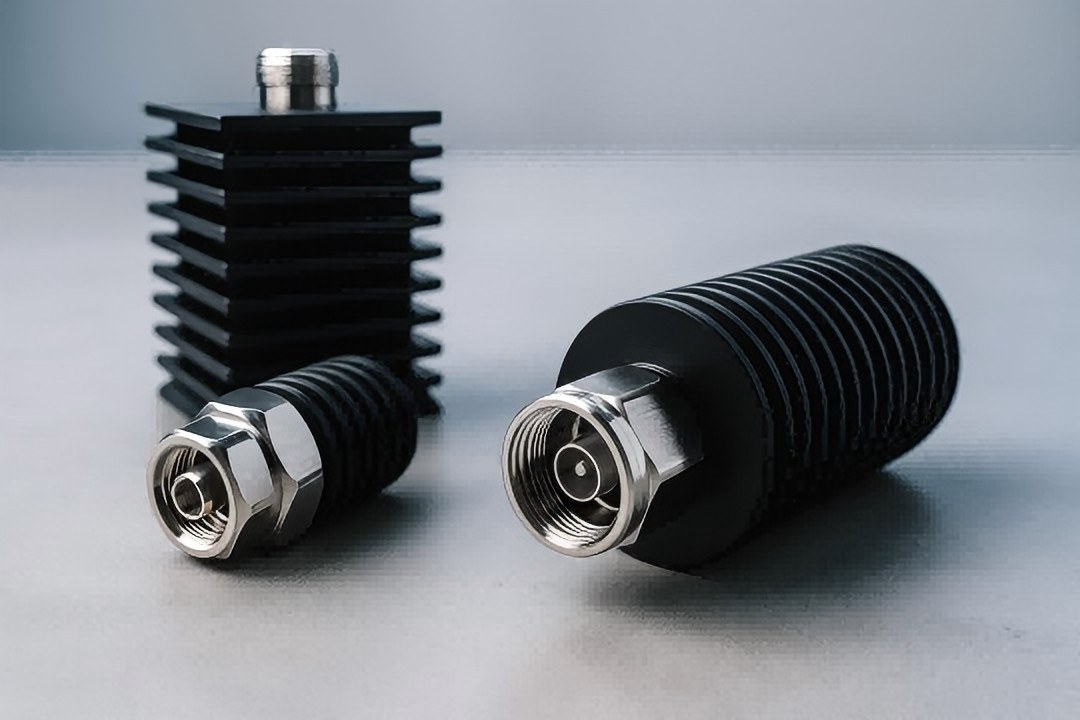 Termination Loads in RF Systems: The Indispensable Anchor of Stability
Jan , 05 2026
Termination Loads in RF Systems: The Indispensable Anchor of Stability
Jan , 05 2026
In RF systems or communication base stations, the Termination Load is a seemingly simple yet critically important passive component. Its role extends beyond merely "absorbing signals" and encompasses system stability, Passive Intermodulation (PIM) control, link testing, and system security. This article will delve into the functions of termination loads within such systems and provide guidance on ...
View more
-
Why Passive RF Loss Still Limits 5G and DAS Performance
Jan , 10 2026
In 5G and large-scale DAS deployments, engineers often focus on radios, baseband units, and antenna patterns. These are visible, measurable, and easy to discuss in meetings. However, in real-world projects, performance limitations are far more often caused by something less obvious: passive RF loss. After working with operators, system integrators, and public safety networks for many years, one th...
View more
-
Why Is Tapper an Indispensable Passive Component for Indoor Coverage?
Jan , 17 2026
In the field of mobile communication engineering, the success of an Indoor Distribution System (DAS) depends not on the raw power of the signal source, but on the "art of distribution." As 5G transitions toward Sub-6GHz and higher frequency bands, space path loss and feeder attenuation increase drastically. To achieve seamless "carpet-style" coverage in complex skyscrapers or underground facilitie...
View more