
In RF system design and engineering projects, "Combiner" and "Hybrid Coupler (or Hybrid Combiner)" are often mentioned, but they are not the same. Their applications and performance characteristics differ significantly.
In short: A Hybrid is used for “evenly splitting or combining signals with fixed ‑3 dB loss,” while a Combiner focuses on “efficiently combining multiple signals with minimal loss and interference.”
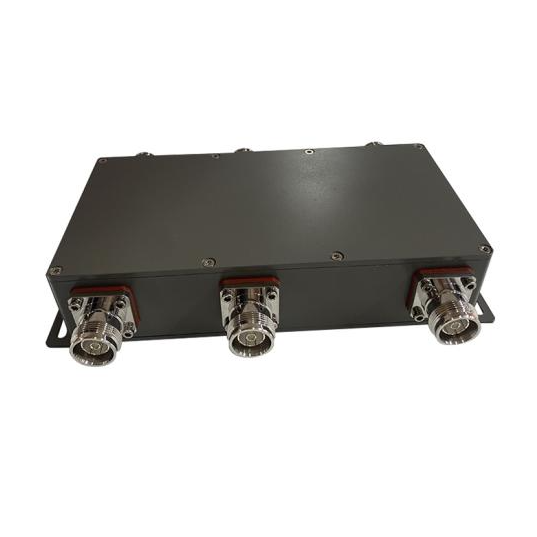
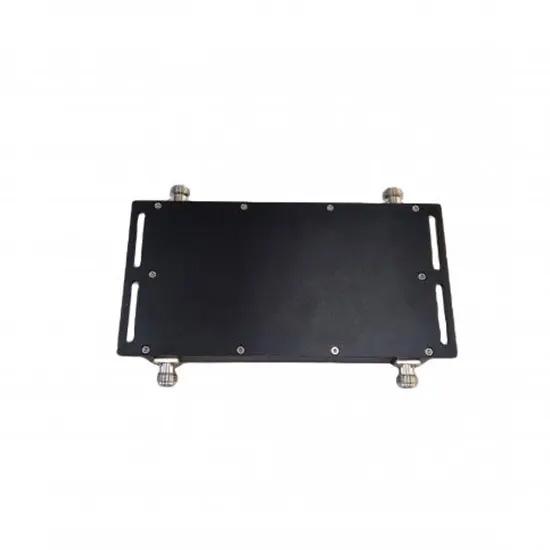
Summary: Hybrids are best for simple combining/splitting of signals within the same or very close frequency band, cost-effective, and compact for small-scale deployments.
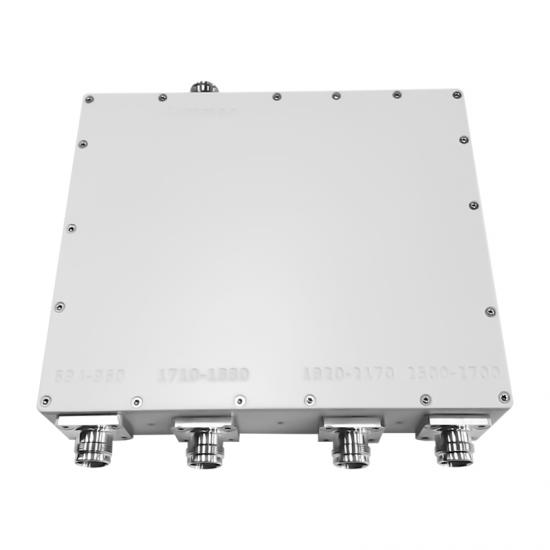
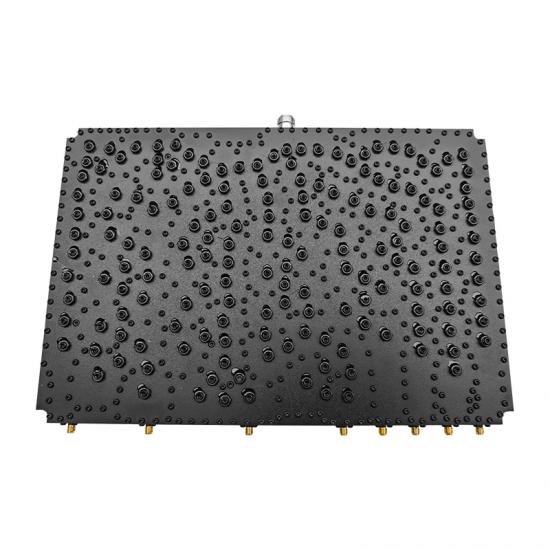
Summary: RF Combiners are preferred when combining signals from multiple bands or operators with high performance and signal integrity requirements.
With 5G, LTE, multi-operator deployments, and MIMO systems, modern networks require:
RF Combiners (e.g., Quadruplexer or 8-Channel Combiner) provide reliable multi-band combining, low insertion loss, and minimal interference. Hybrids, although cost-effective, are less suitable for complex multi-source systems.
Understanding the difference between a Combiner and a Hybrid Coupler is essential for RF system deployment. For multi-band, multi-operator, multi-antenna systems like 5G DAS or indoor coverage:
Examples from Maniron’s product line:
|
Scenario |
Recommended Device |
Example Products |
|
Single-band, small indoor system |
Hybrid Coupler |
380‑3800 MHz Hybrid Combiner 4310F, 68–72 MHz 2-in-2 Hybrid Coupler |
|
Multi-band, multi-operator, DAS / indoor / 5G |
RF Combiner |
Quadruplexer 4‑Band Combiner, Customized 8‑Channel Combiner |
Selecting the right device ensures signal integrity, system stability, and future scalability.
Do you have any questions ?
Call Us : +86 551 65329702