

Product Overview
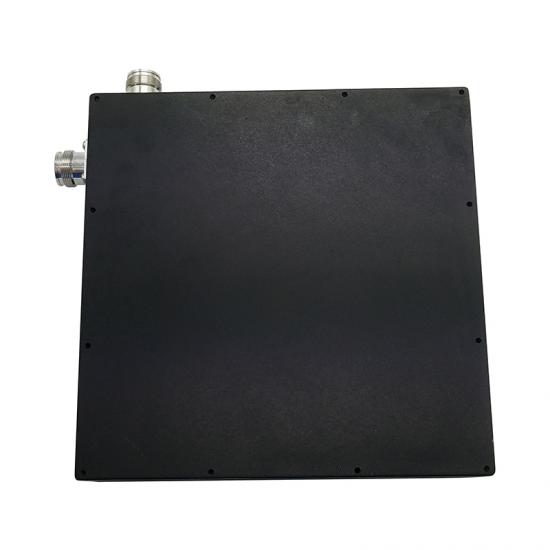
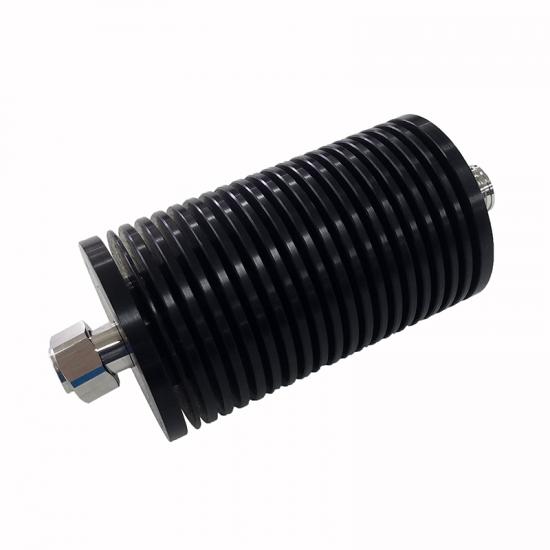
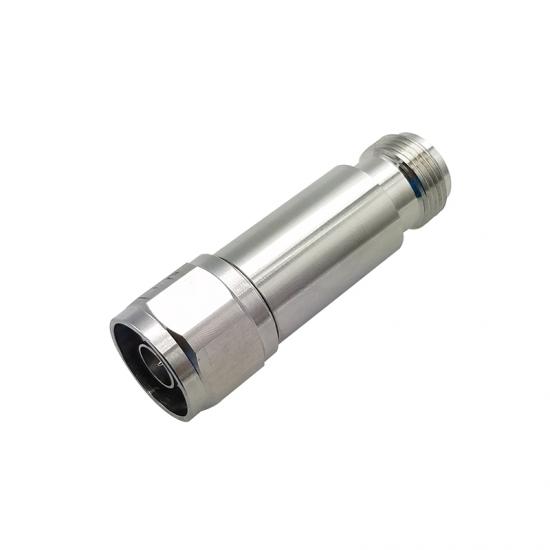
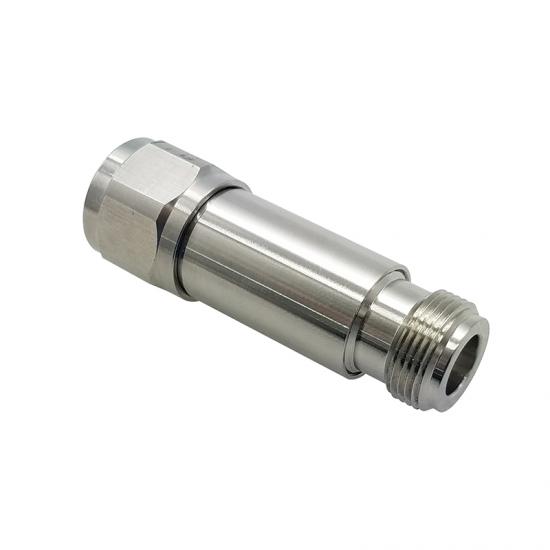
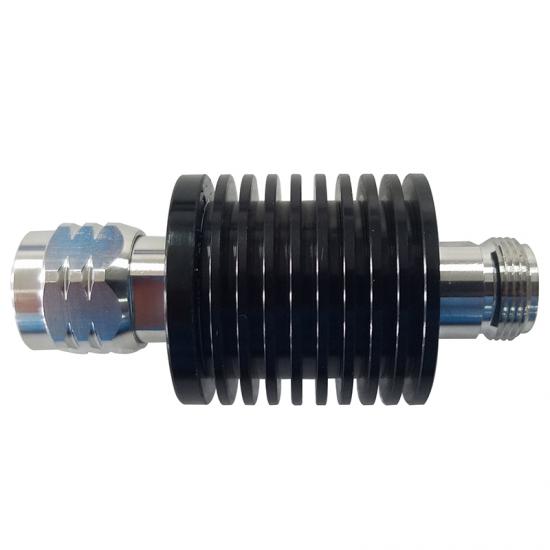
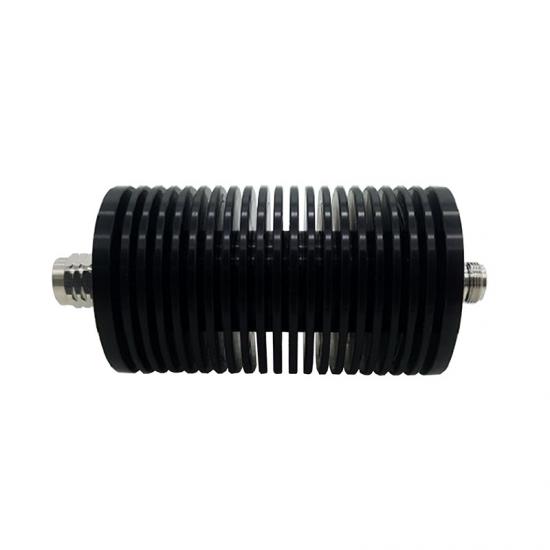
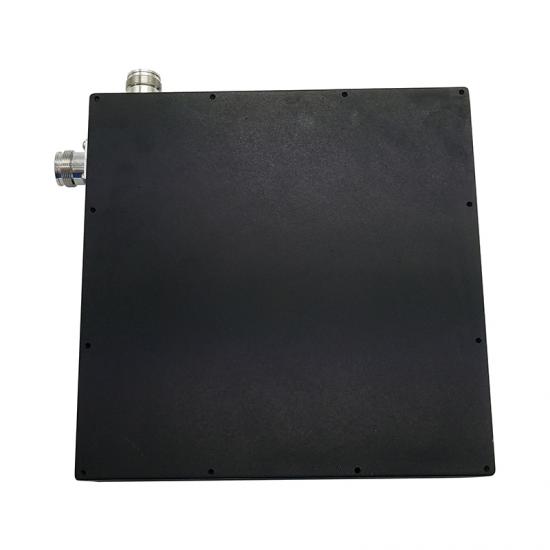
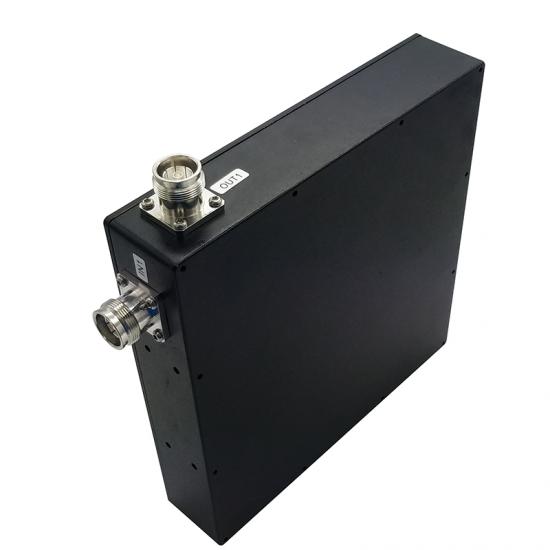
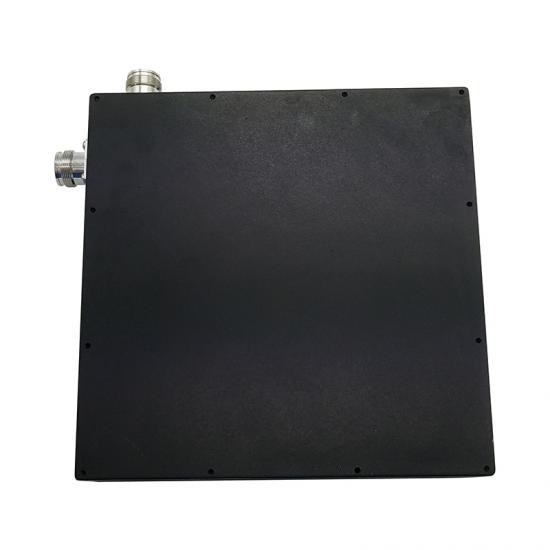
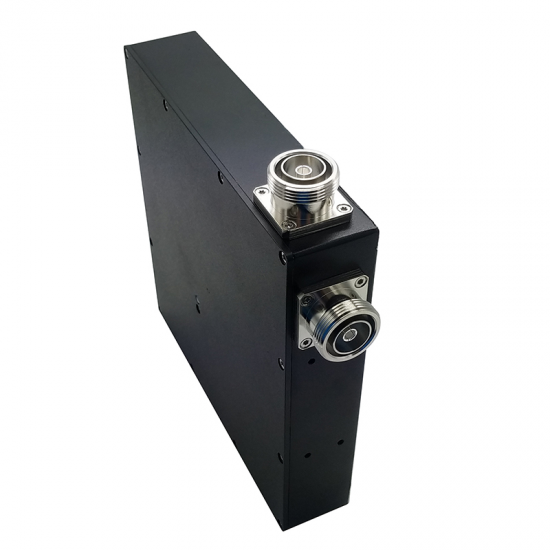
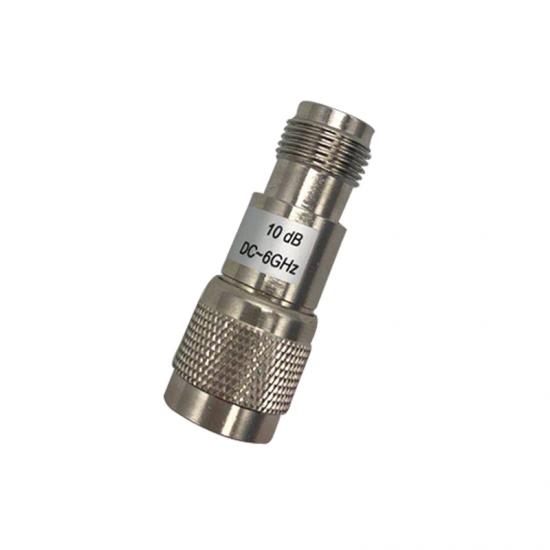
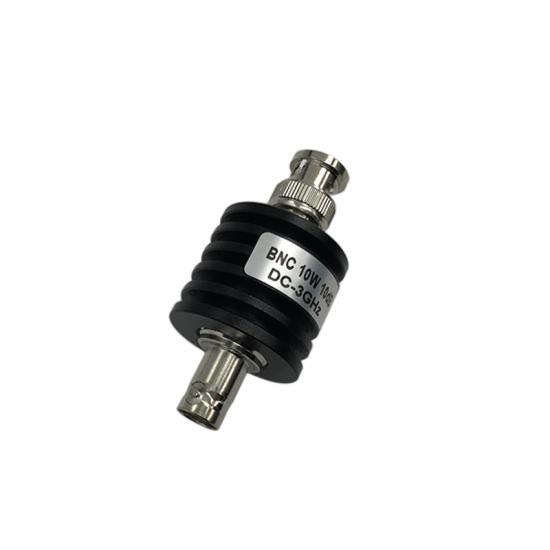
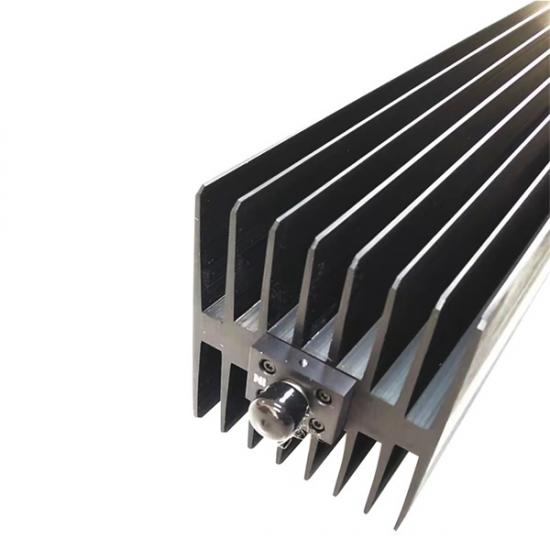
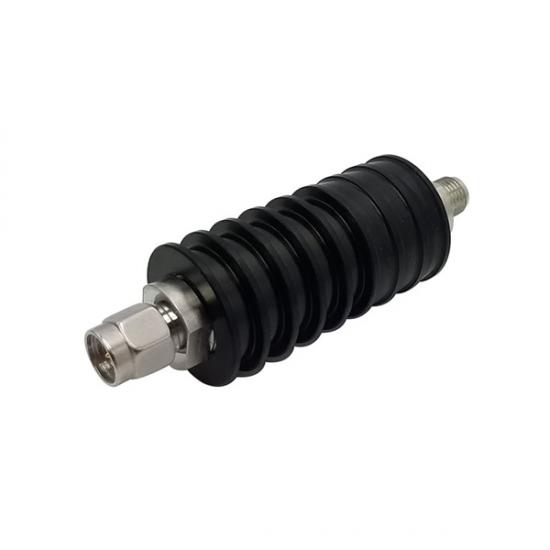
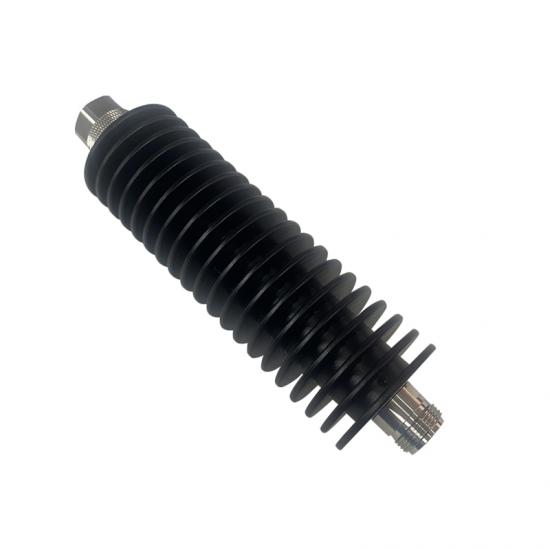
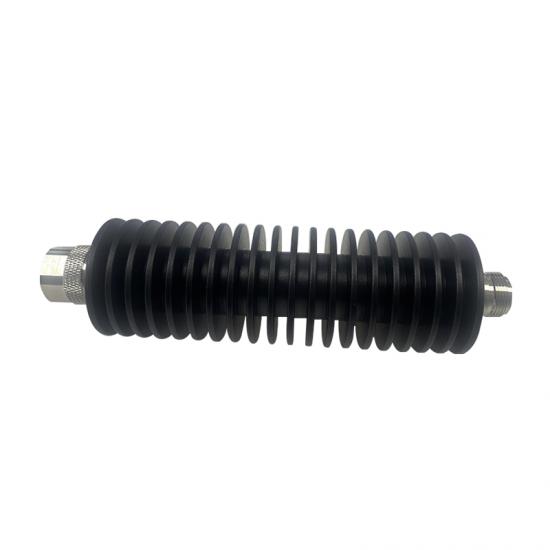
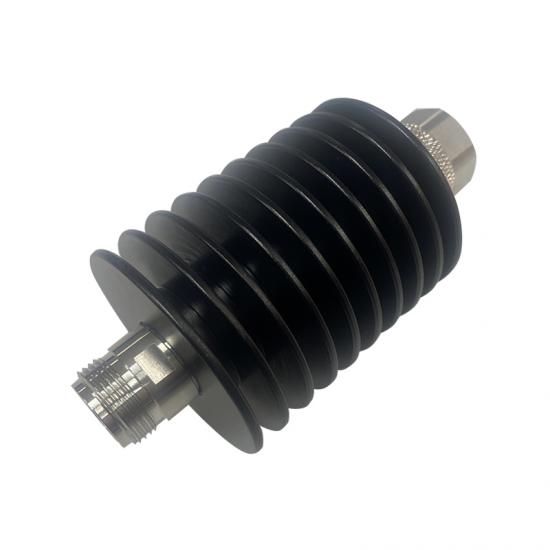
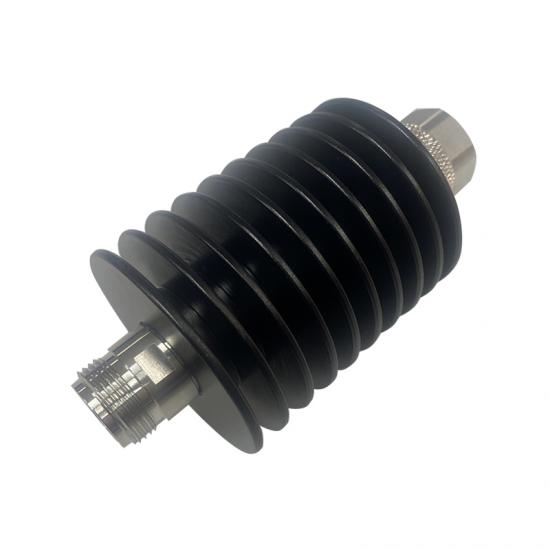
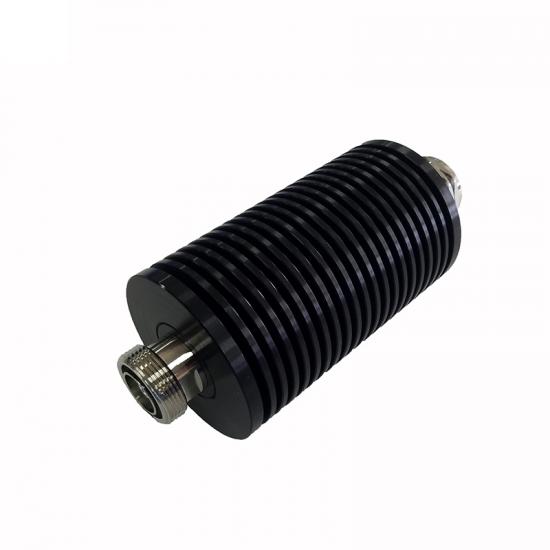
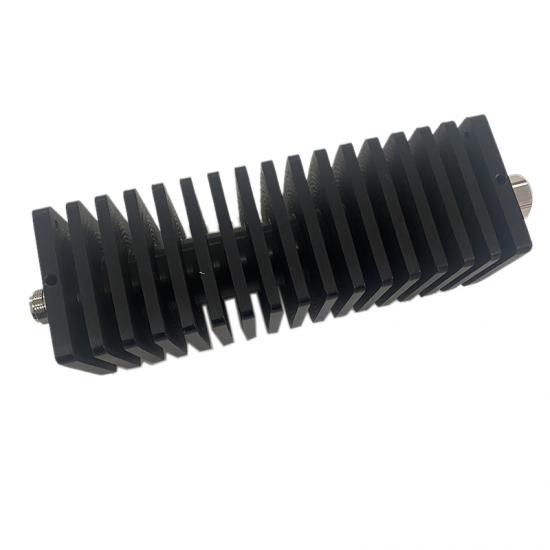
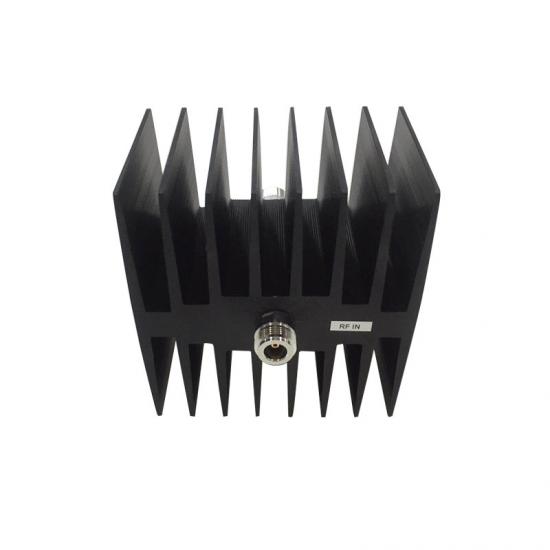
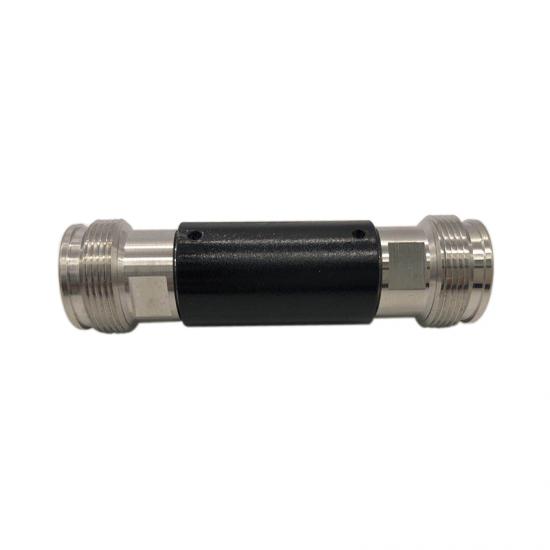
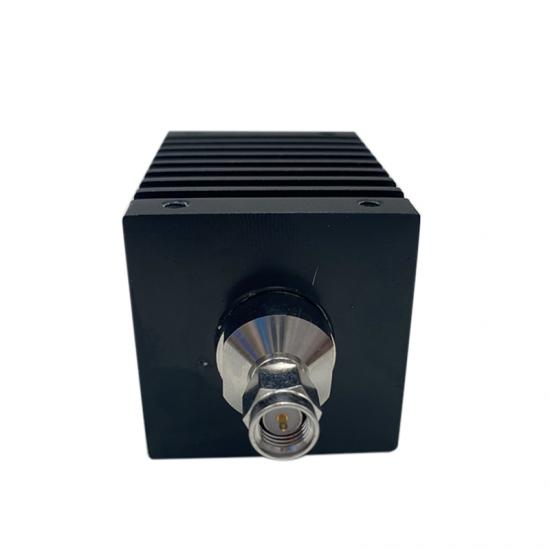
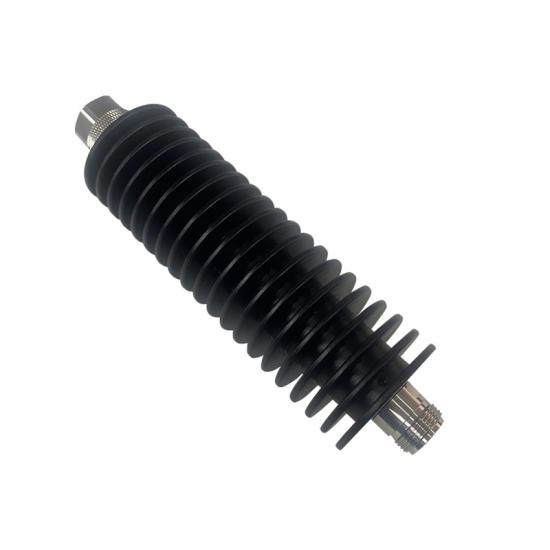
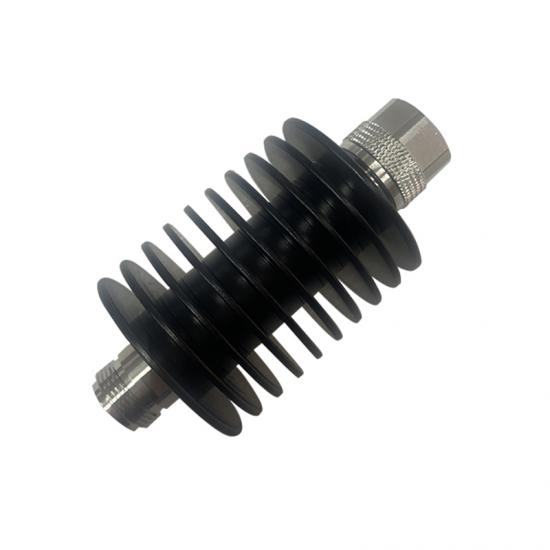
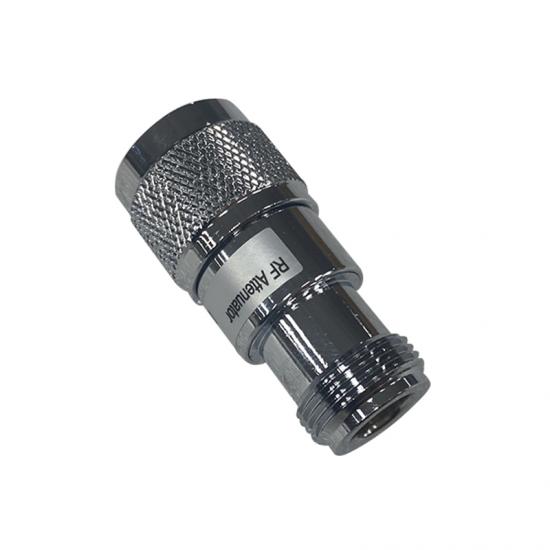
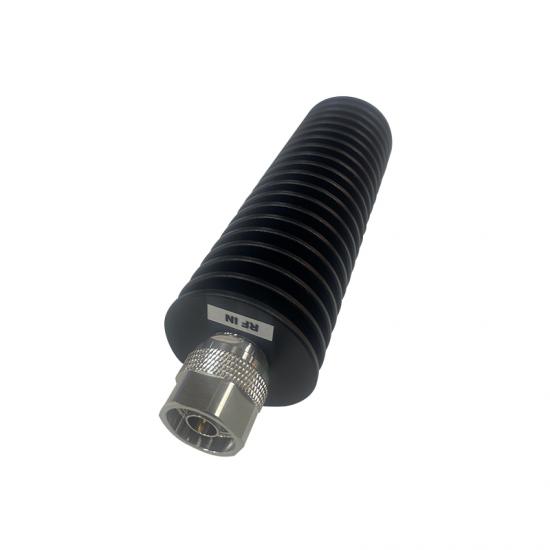
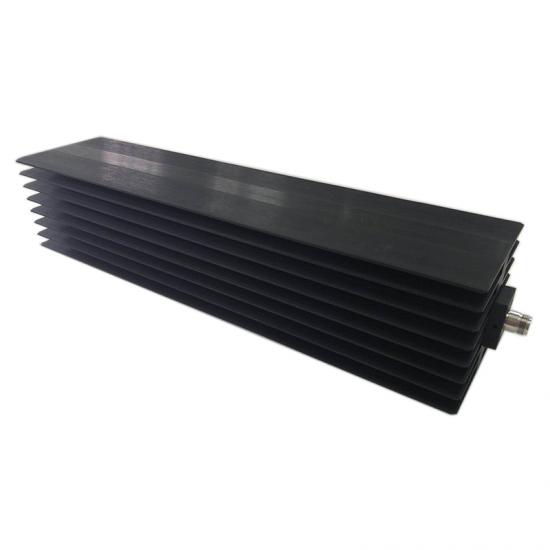
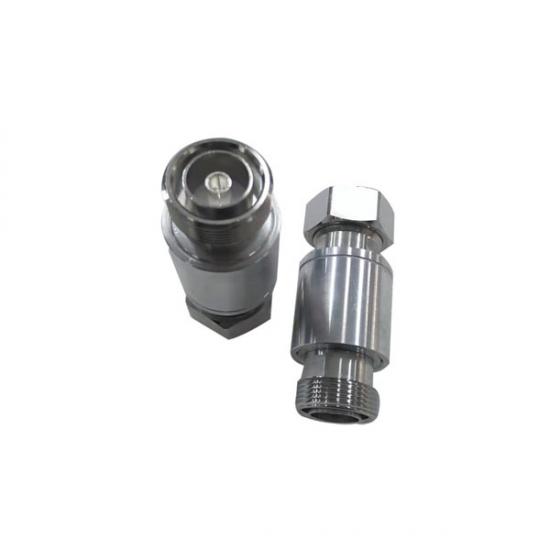
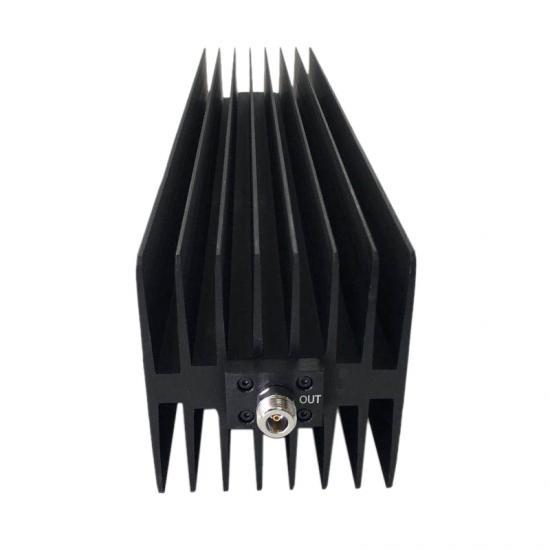
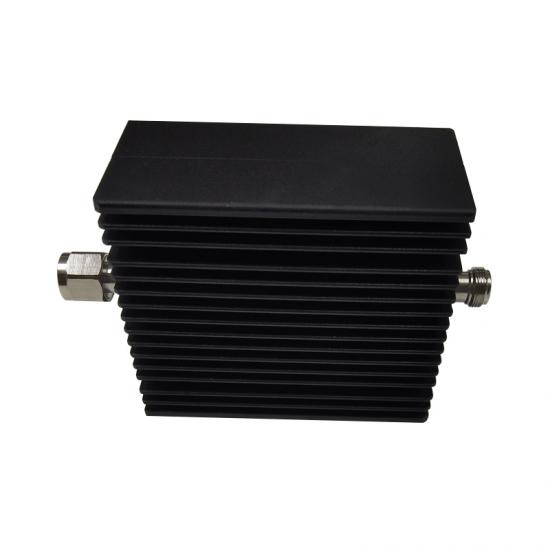
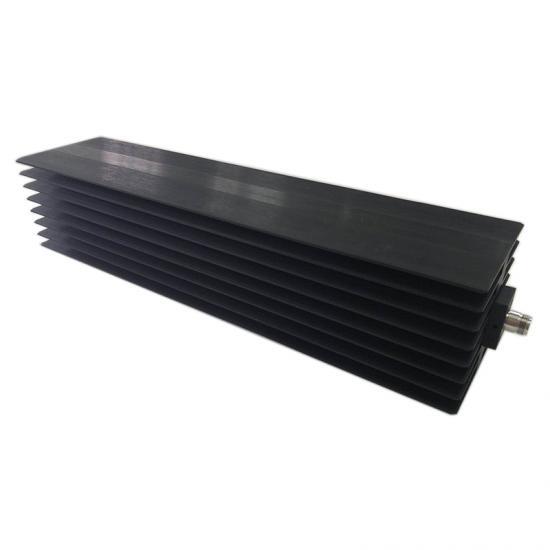
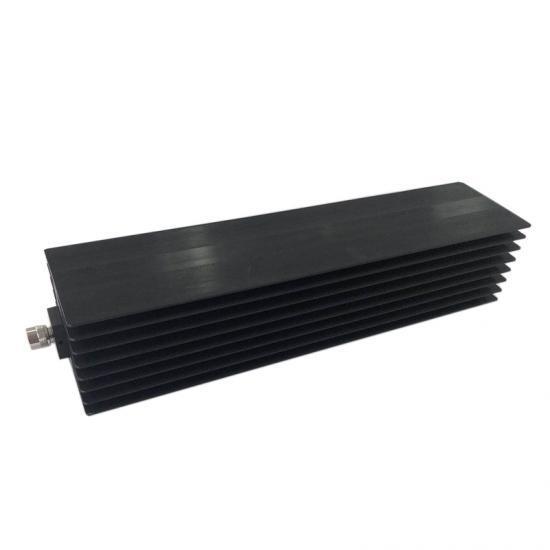
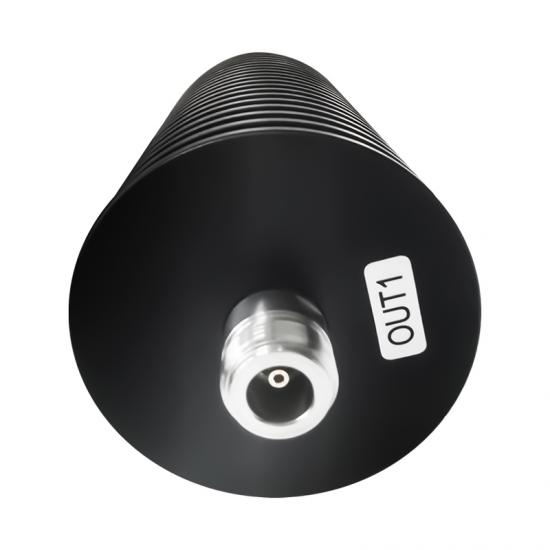
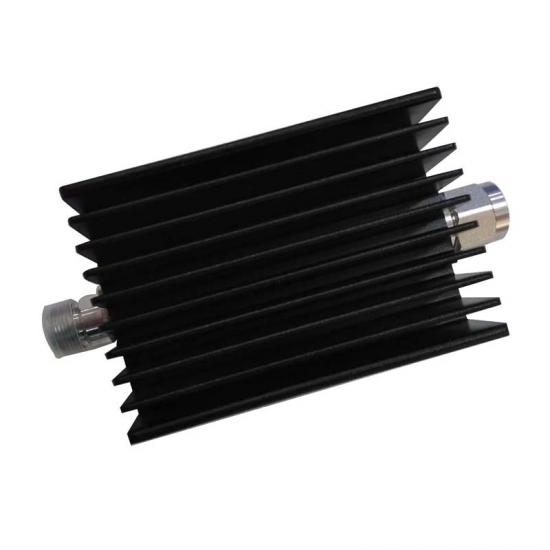
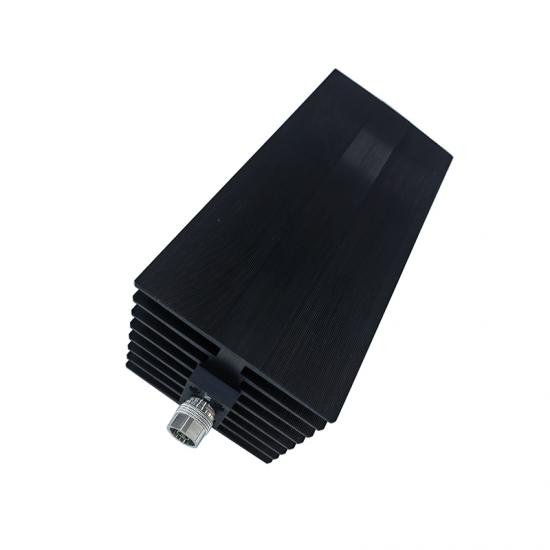
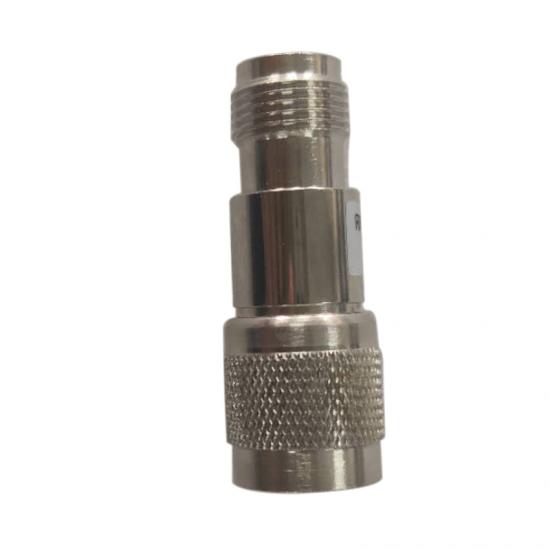
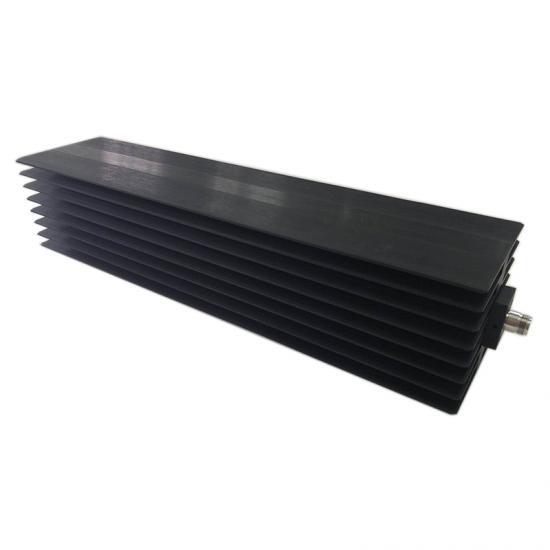
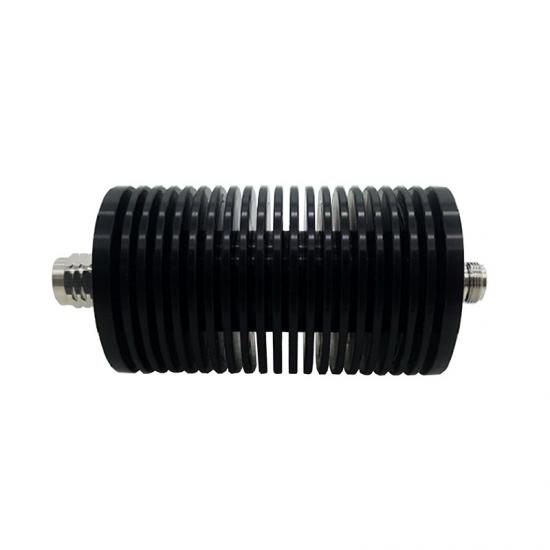
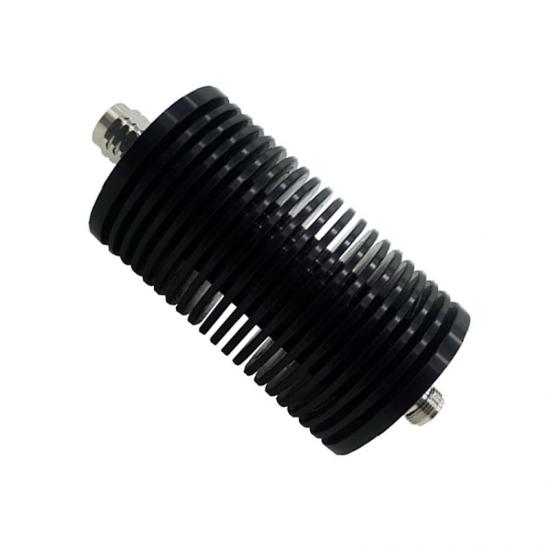
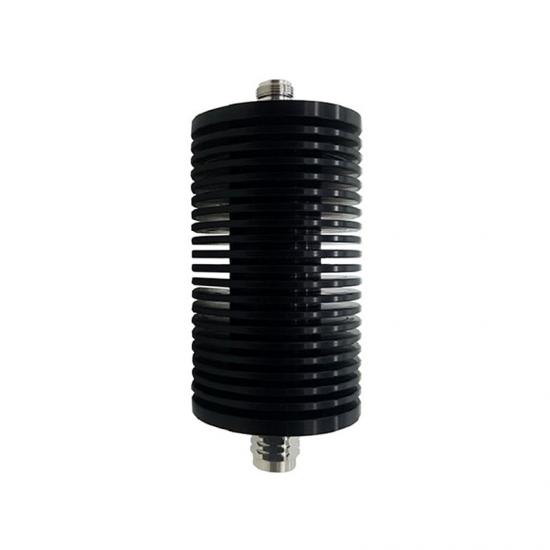
The MNA-3G-50-XX-N is a precision coaxial fixed attenuator designed to reduce the power of an RF signal without distorting its waveform. Operating from DC to 3GHz, this component offers a wide range of attenuation values from 3dB to 40dB with high accuracy. Built with a robust N-Male to N-Female interface and finished in a heat-dissipating black coating, it supports up to 50W average power, making it an essential tool for testing, signal leveling, and protection of sensitive receiver equipment in In-building Solutions (IBS).
Technical & Mechanical Specifications
| Model No. | MNA-3G-50-XX-N |
| Freq(GHz) | DC-3GHz |
| Attenuation (dB) | 3-5 / 6-10 / 10-30 / 40 |
| Accuracy (dB) | ±0.5 / ±0.5 / ±1.5 / ±1.5 |
| VSWR | ≤1.25 |
| Average Power(W) | 50 |
| Impedance | 50 ohm |
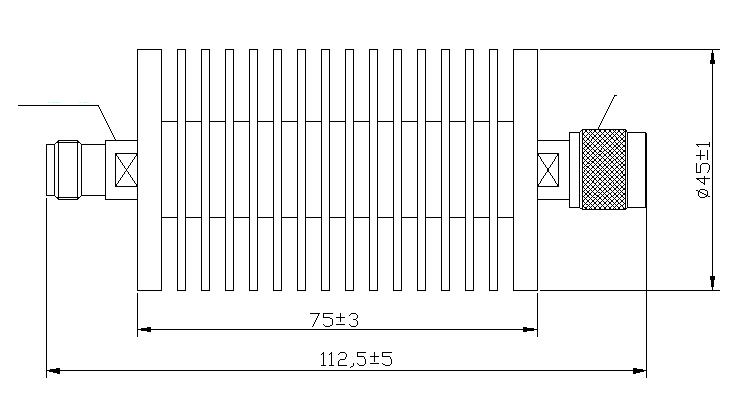
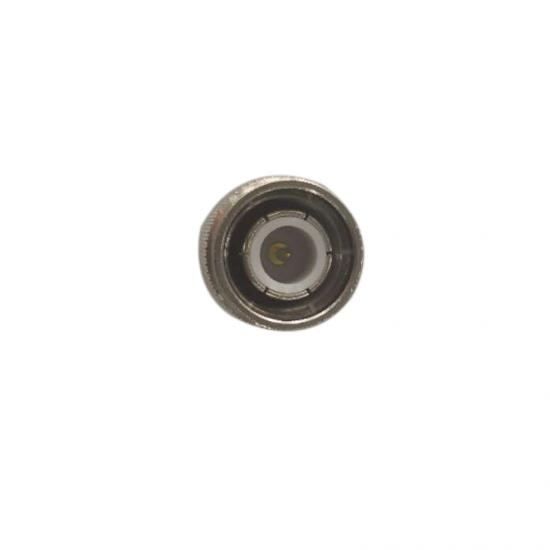
| Connector | N(M)-N(F) |
| Color | Black |
| Temp(deg) | -35~+65 |
NOTE: "XX" in the model number represents the desired attenuation value (e.g., 03 for 3dB, 40 for 40dB). These attenuators are designed for high reliability and excellent VSWR across the entire DC-3GHz band. Custom specifications are available upon request.
Frequently Asked Questions
- Q1: What is the primary use of a 50W RF attenuator in a communication system?
- A: It is primarily used to protect sensitive equipment by reducing high-power signals to a safe level. It is also used for matching the power levels between different components in a system and for precise measurements using spectrum analyzers where the input signal might otherwise exceed the device's limit.
- Q2: How does the "Attenuation Accuracy" affect my system performance?
- A: Accuracy (e.g., ±0.5dB for lower values) ensures that the signal reduction is exactly what you expect. In testing environments, high accuracy is critical for calibrating equipment and ensuring that the signal strength at the receiver is within the specific design window.
- Q3: Can this attenuator operate continuously at 50W?
- A: Yes, it is rated for 50W Average Power. The black-anodized housing is designed to act as a heat sink, efficiently dissipating thermal energy during continuous operation within the temperature range of -35 to +65°C.
- Q4: Why is a low VSWR (≤1.25) important for an attenuator?
- A: A low VSWR means the attenuator reflects very little of the signal back to the source. This prevents "standing waves" that could potentially damage the transmitter or cause signal interference, ensuring maximum signal integrity throughout the transmission line.
- Q5: What does the "DC-3GHz" range cover in practical applications?
- A: This wide frequency band covers almost all major wireless standards, including VHF, UHF, Cellular (GSM/CDMA), 3G, 4G LTE, and the 2.4GHz Wi-Fi band. This versatility makes it an ideal "all-in-one" component for various IBS and lab testing scenarios.
Mechanical Drawing