

Product Description
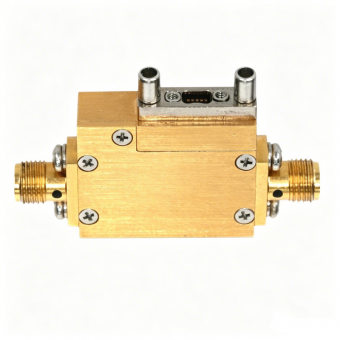
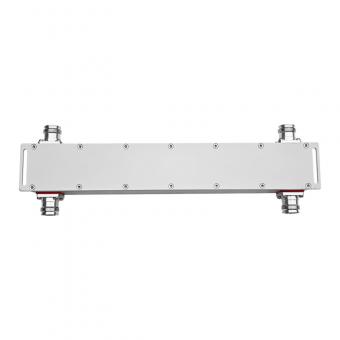
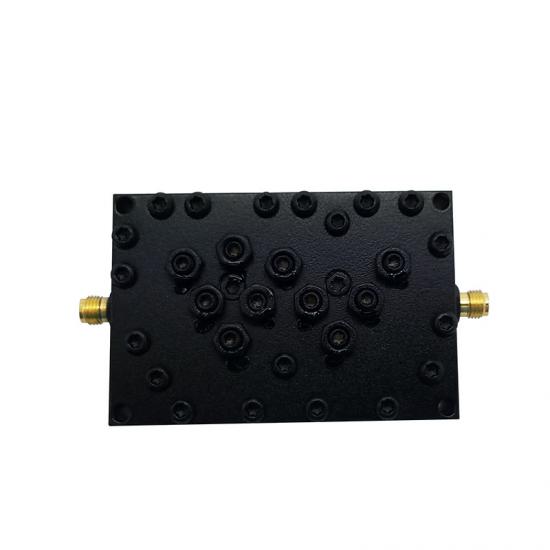
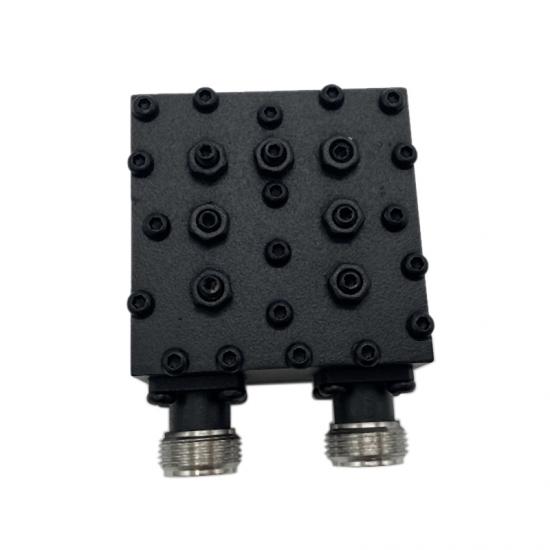
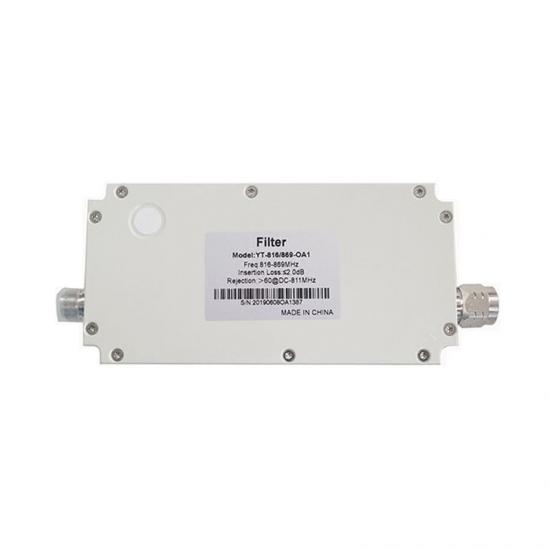
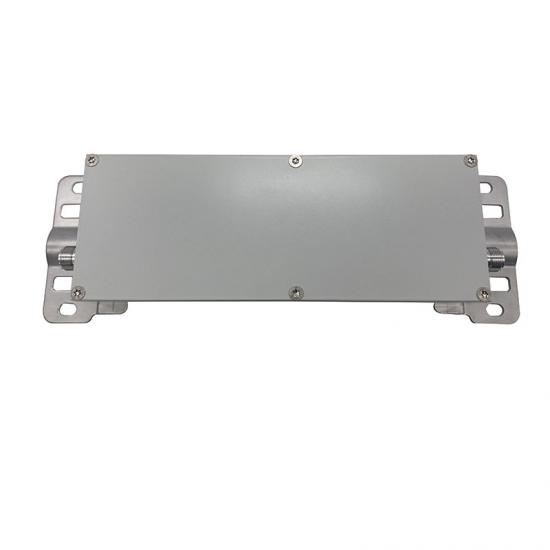
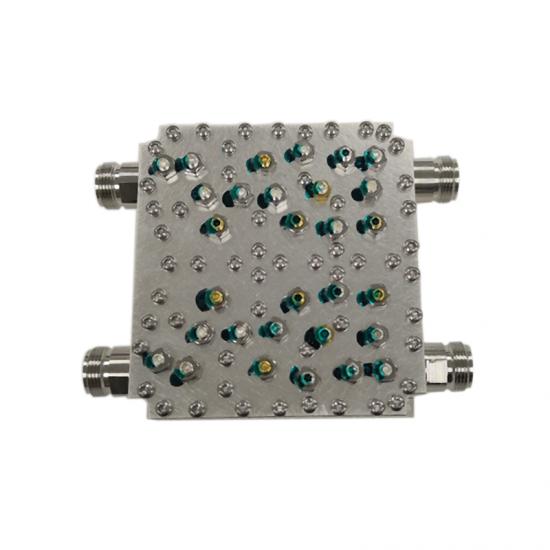
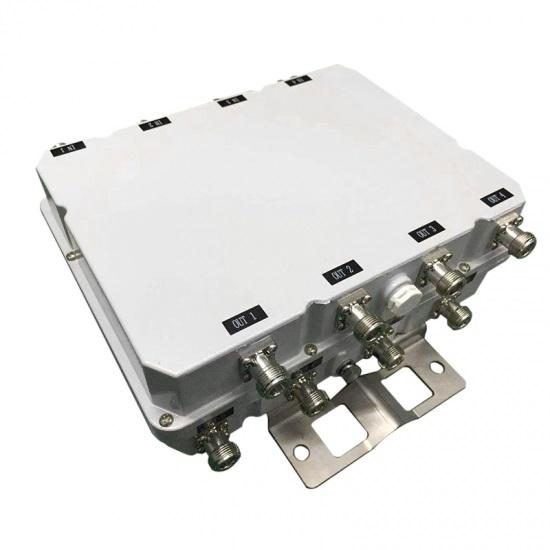
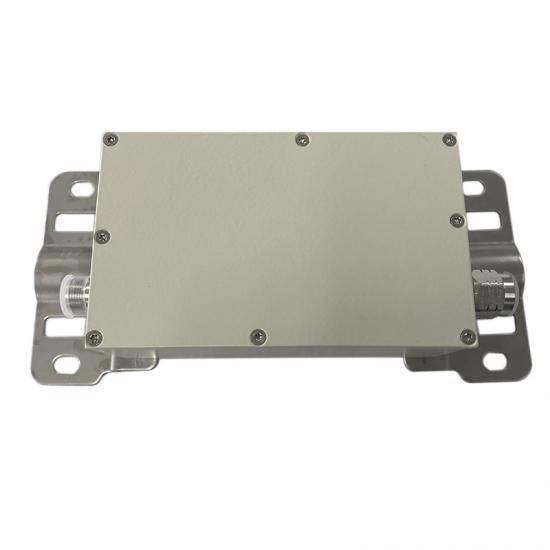
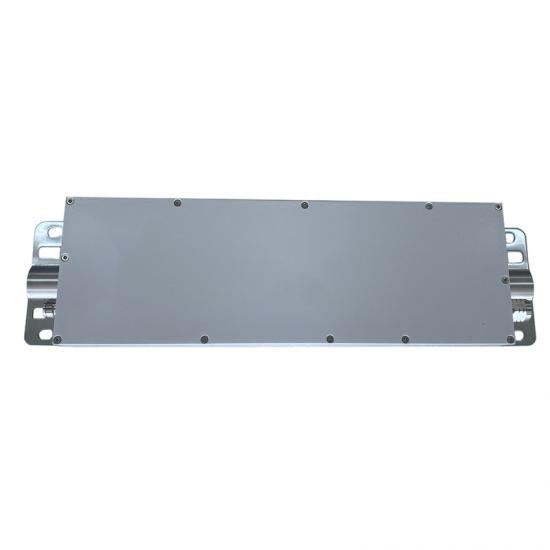
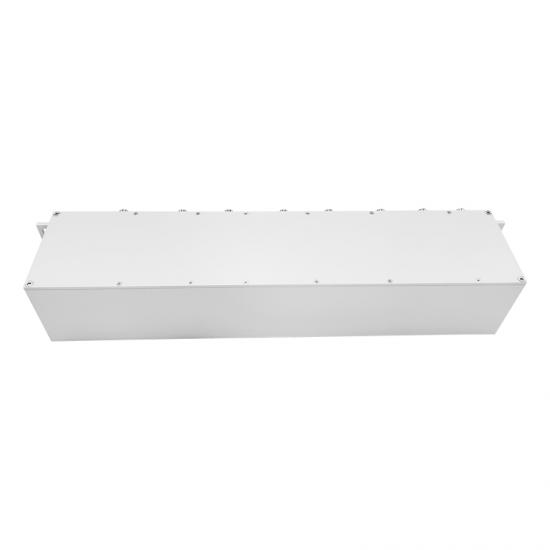
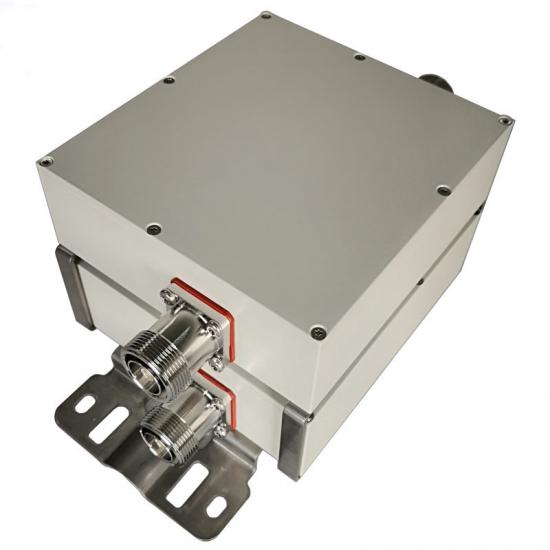
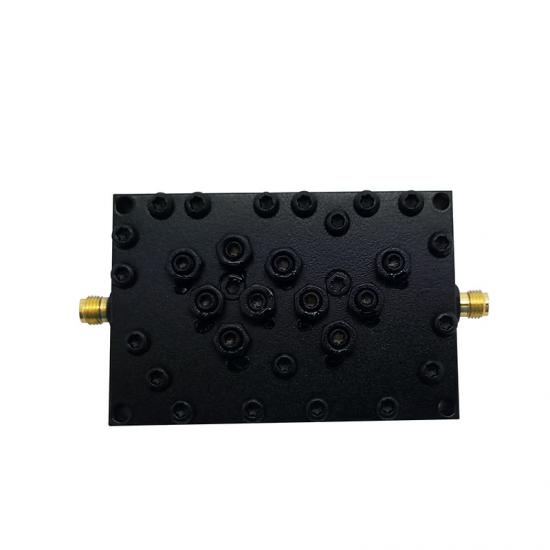
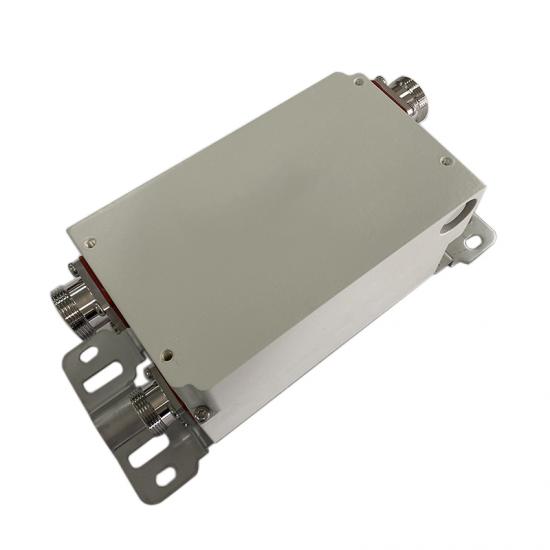
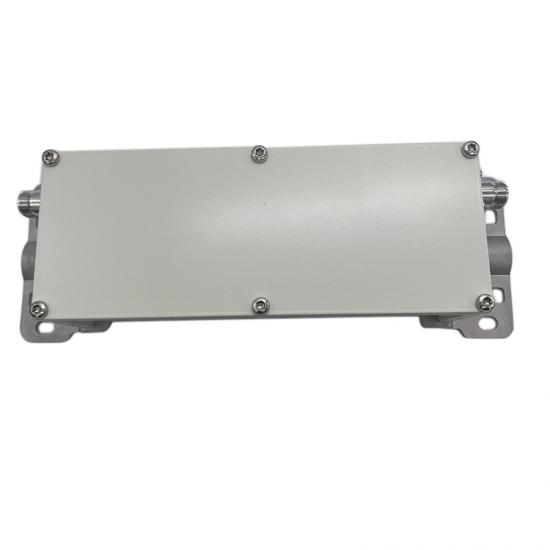
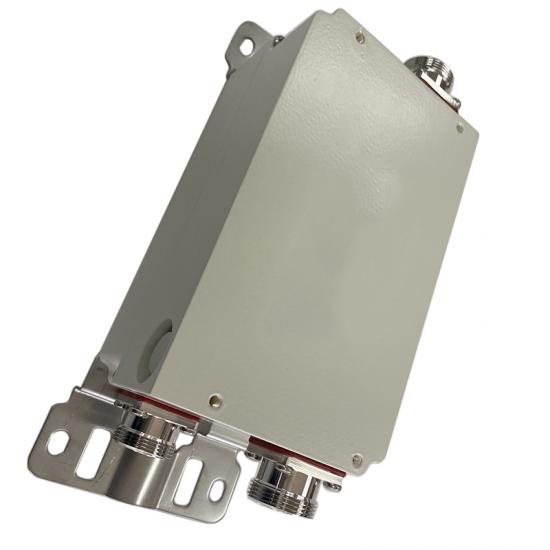
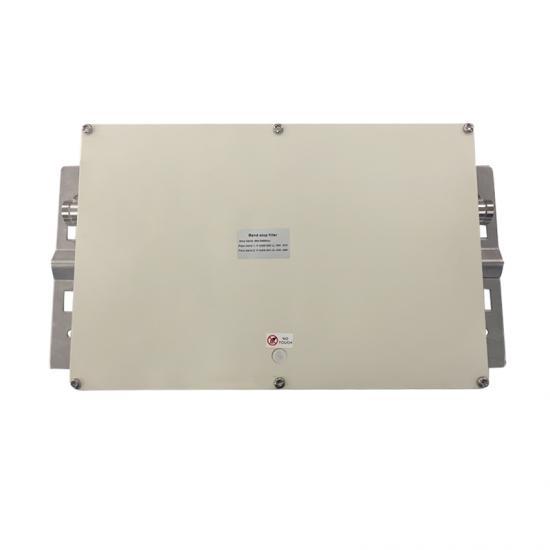
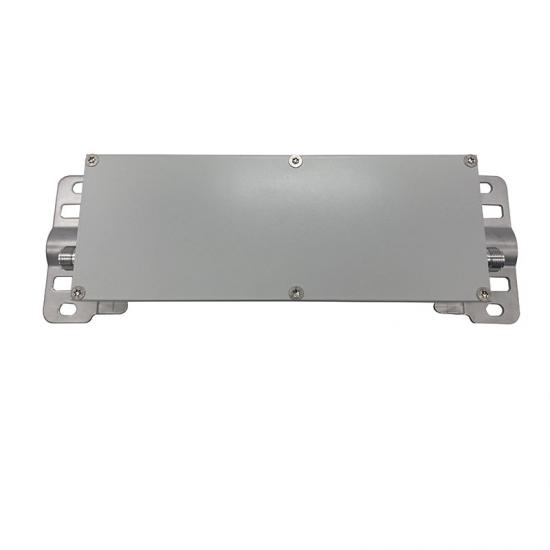
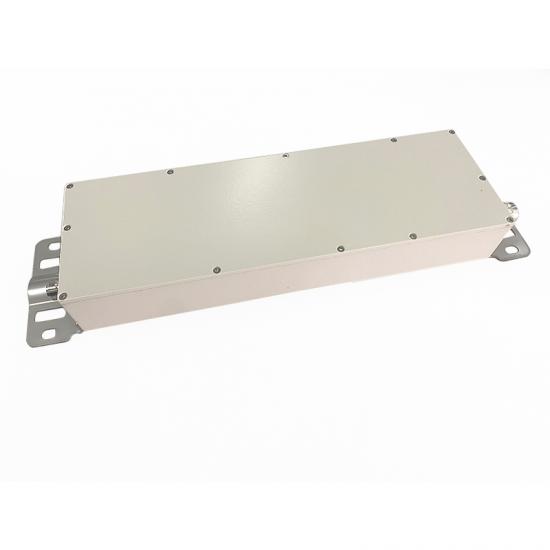
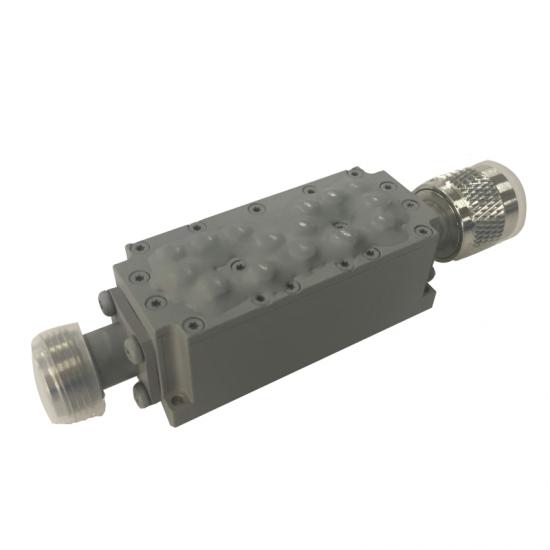
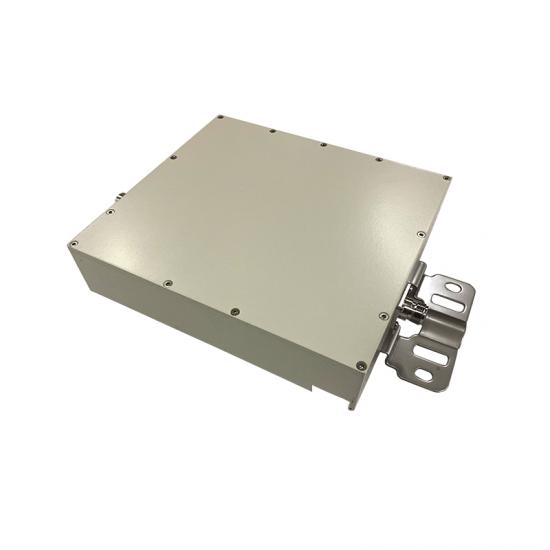
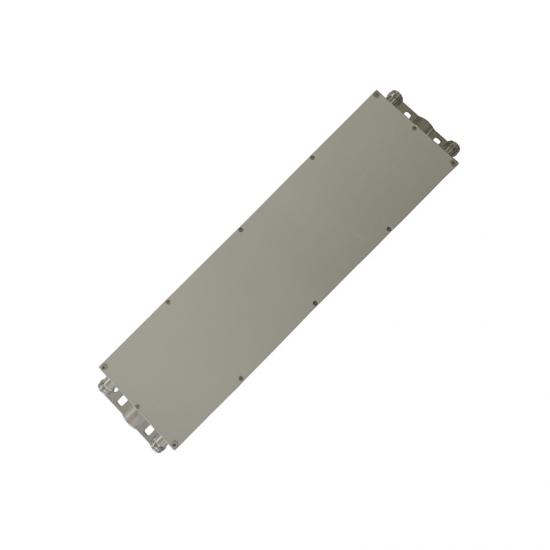
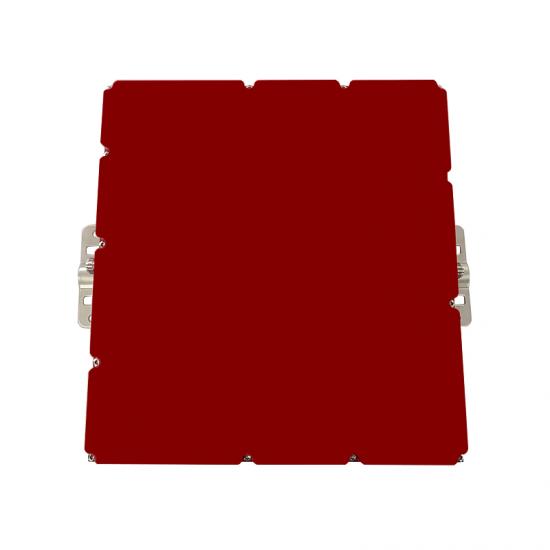
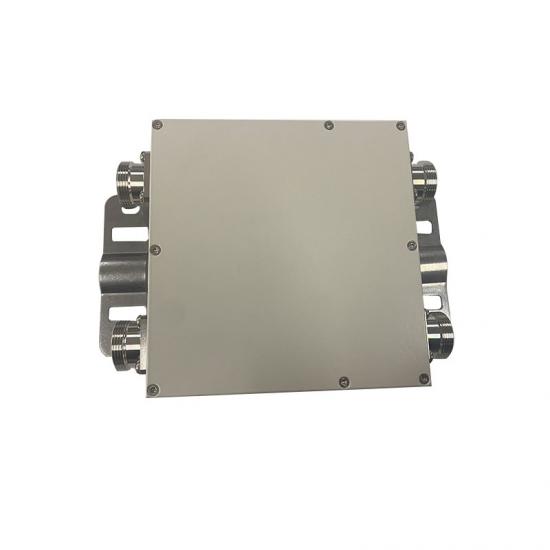
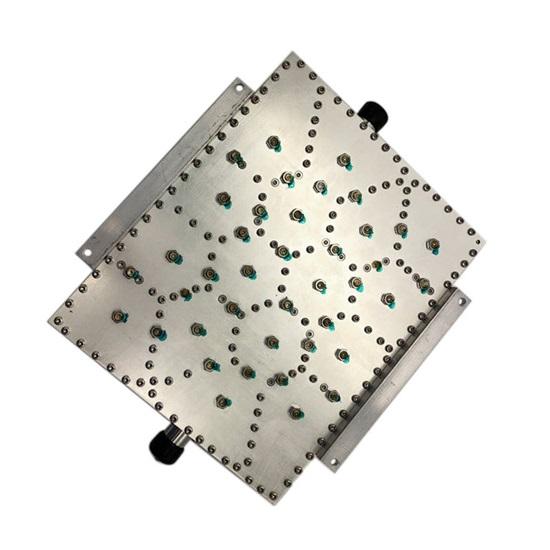
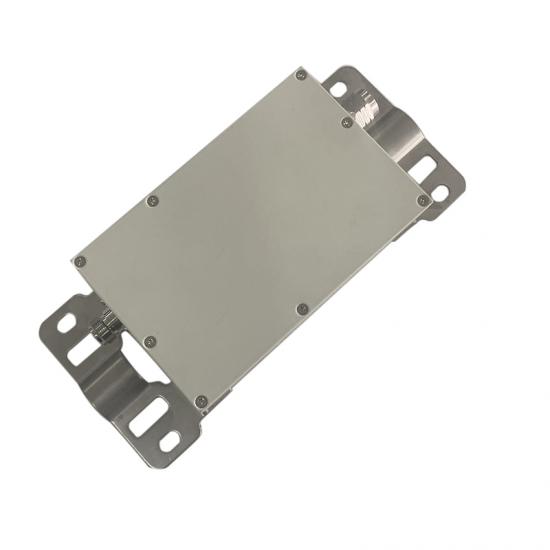
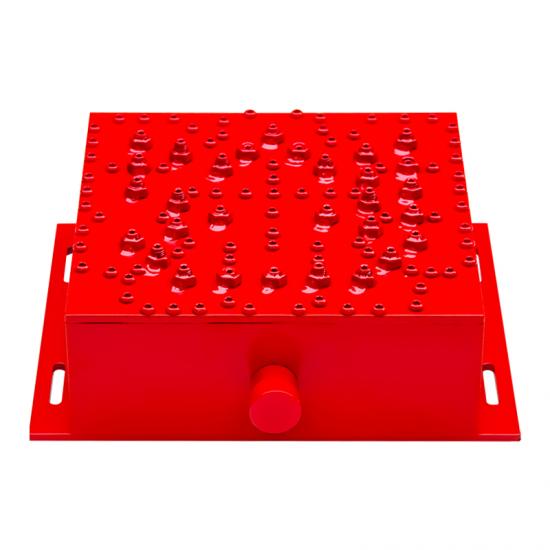
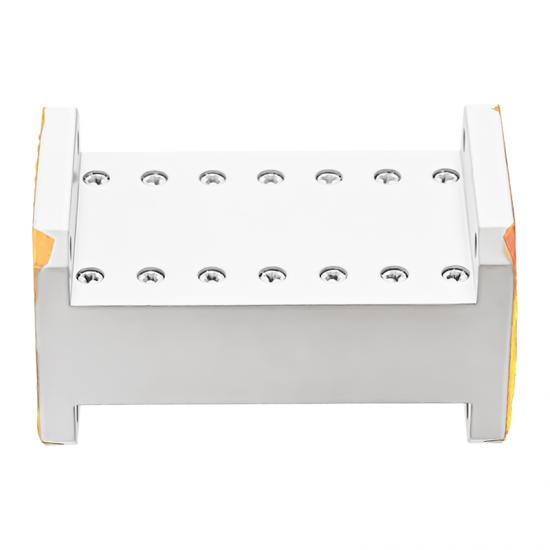
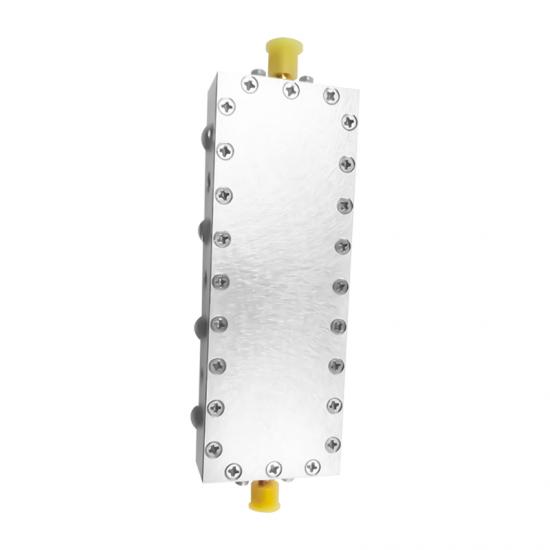
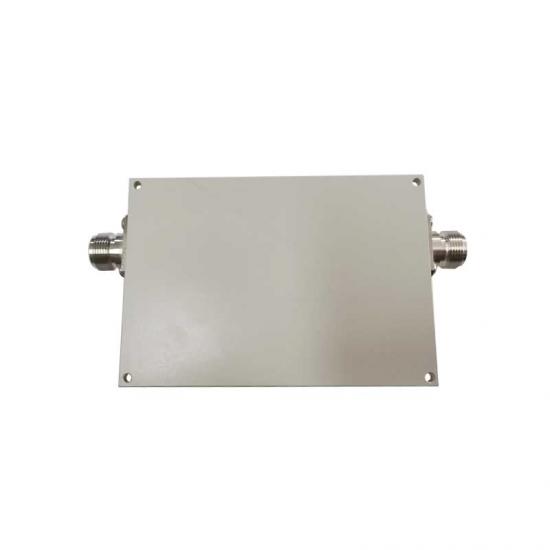
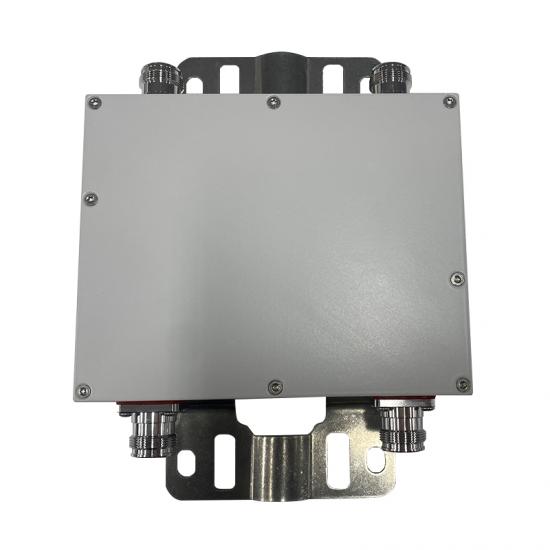
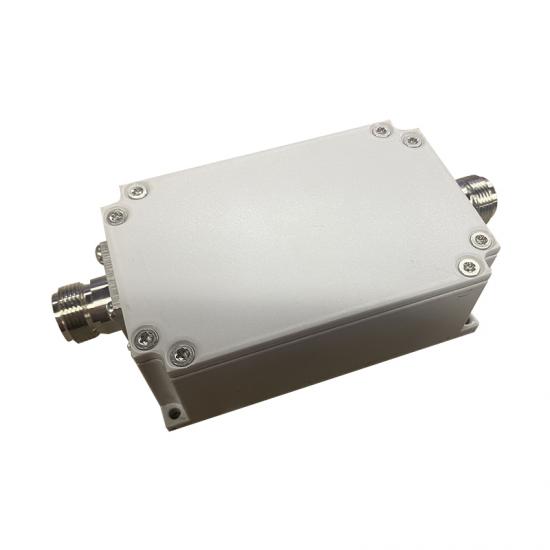
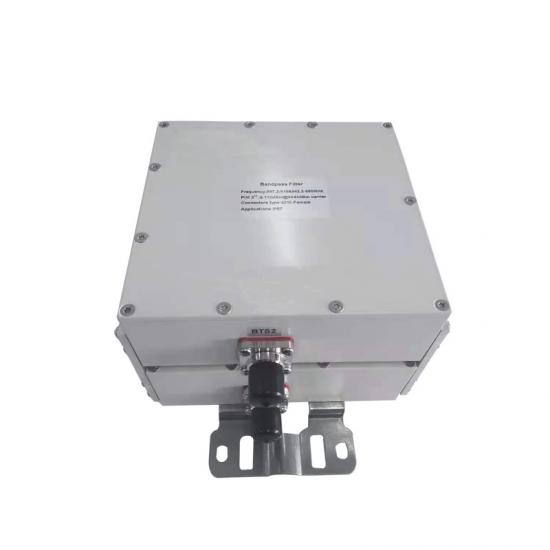
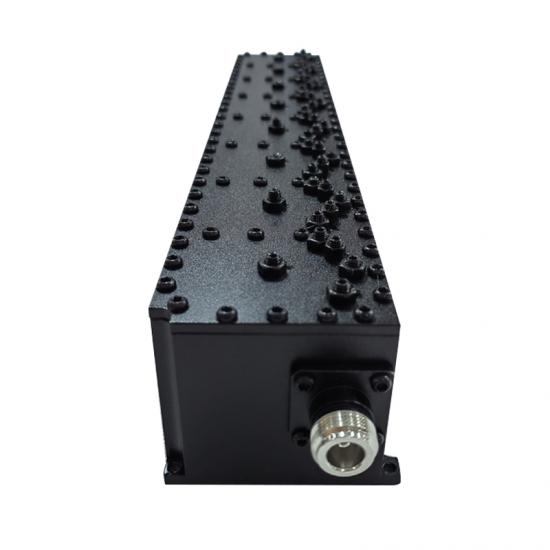
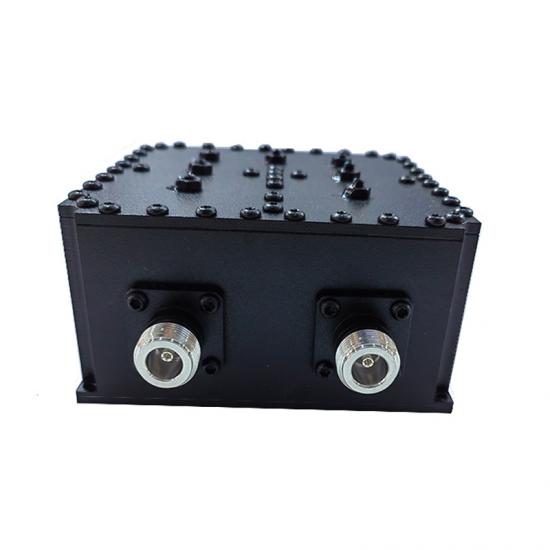
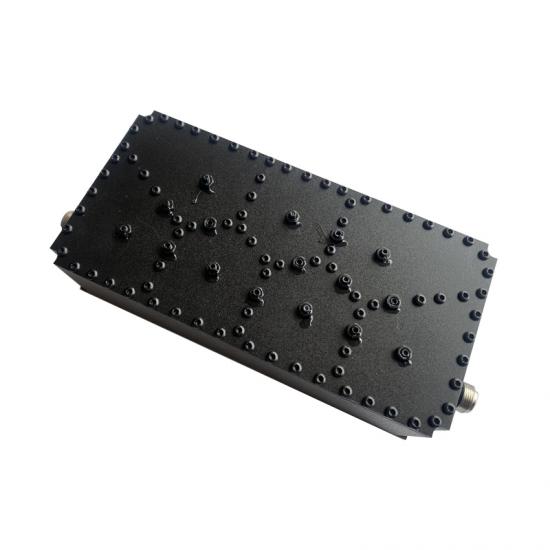
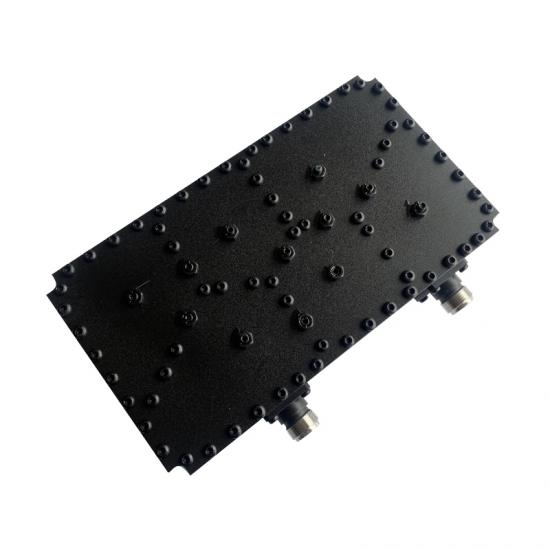
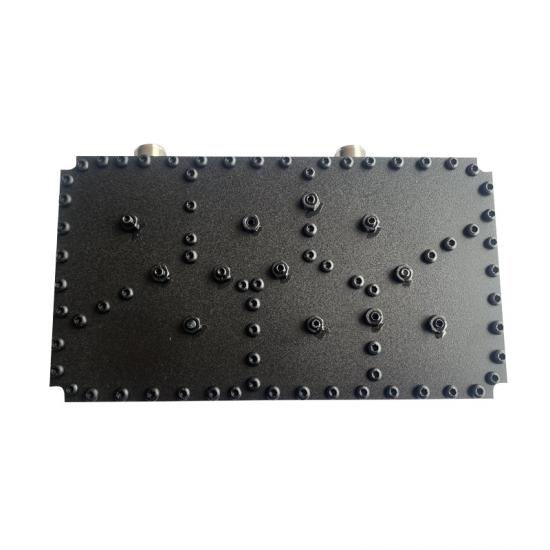
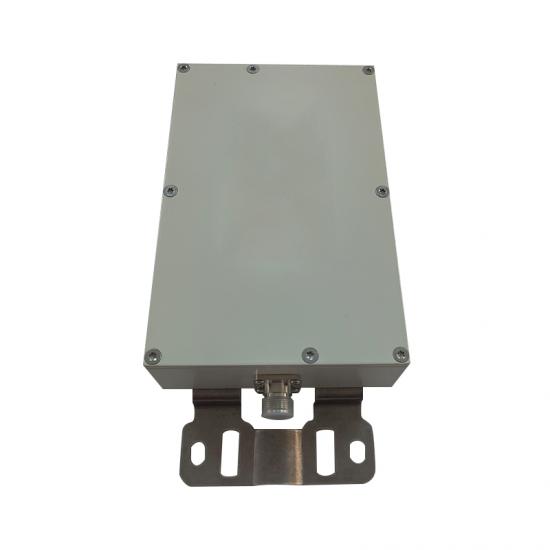
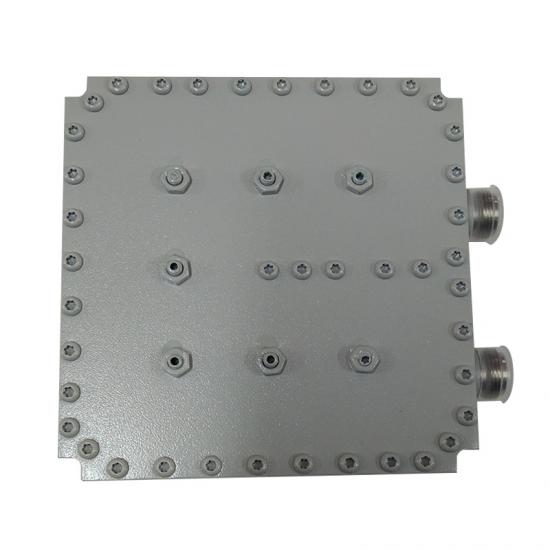
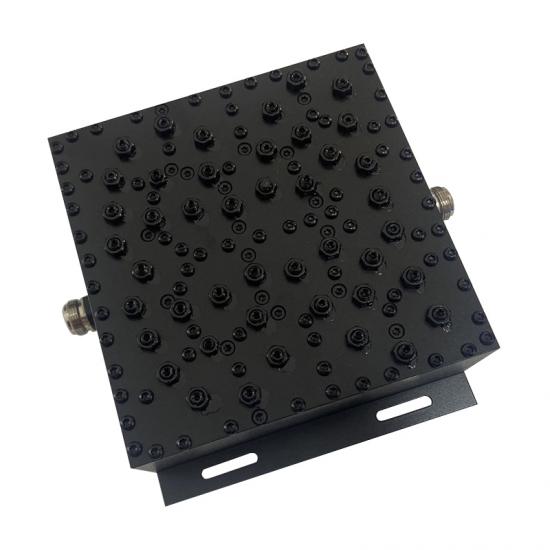
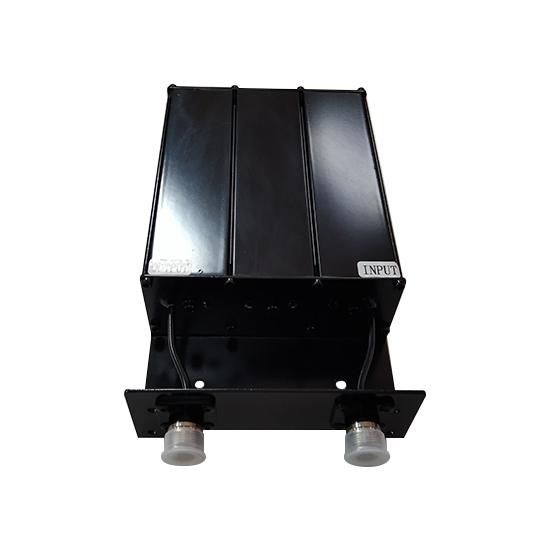
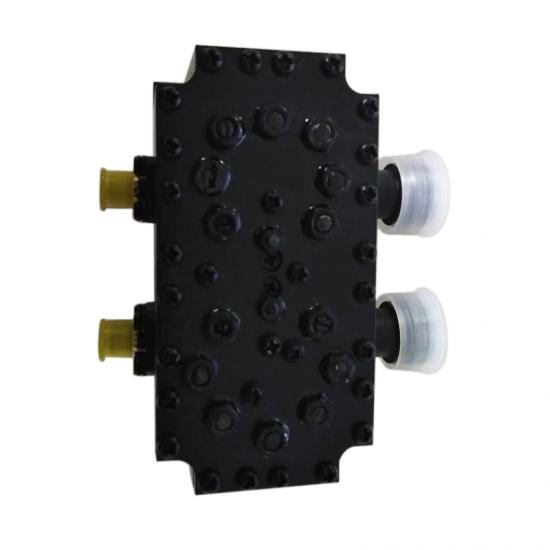
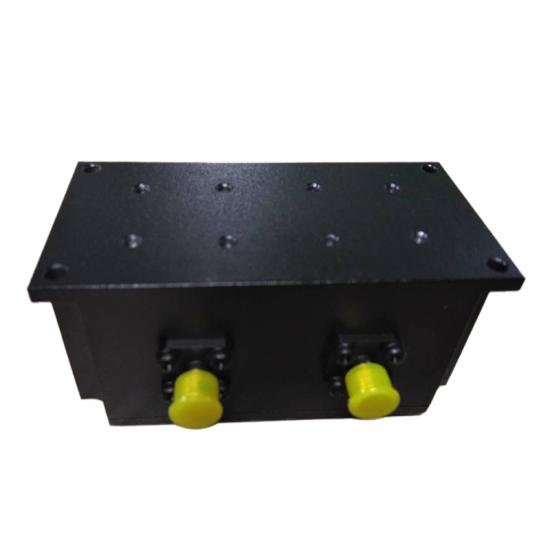
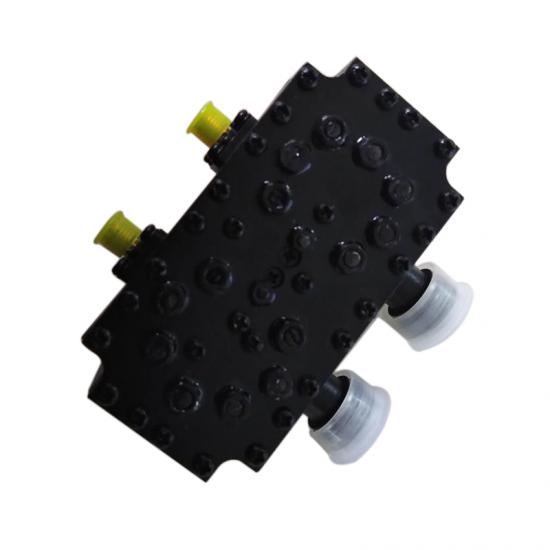
This high-performance RF Duplexer is engineered for precision signal management in the 1300-1850MHz range. Featuring an exceptional isolation of ≥80dB, it ensures zero interference between the F1 and F2 frequency bands. With its robust 50W power handling and low insertion loss, it is a critical component for In-building Solutions and telecommunication infrastructure requiring high reliability and stable performance.
Technical & Electronical Specifications
| Parameters | F1 | F2 |
| Frequency Range | 1300-1400 MHz | 1750-1850 MHz |
| Insertion loss | ≤ 0.3 dB | ≤ 0.3 dB |
| Ripple | ≤ 0.2 dB | ≤ 0.2 dB |
| VSWR | ≤ 1.3:1 | ≤ 1.3:1 |
| Isolation | ≥ 80 dB @ 1785-1850 MHz | ≥ 80 dB @ 1300-1400 MHz |
| General Specifications | Values | |
| Max. Power | 50 W | |
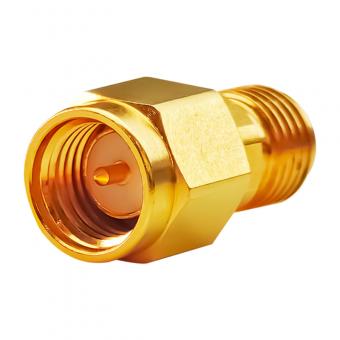
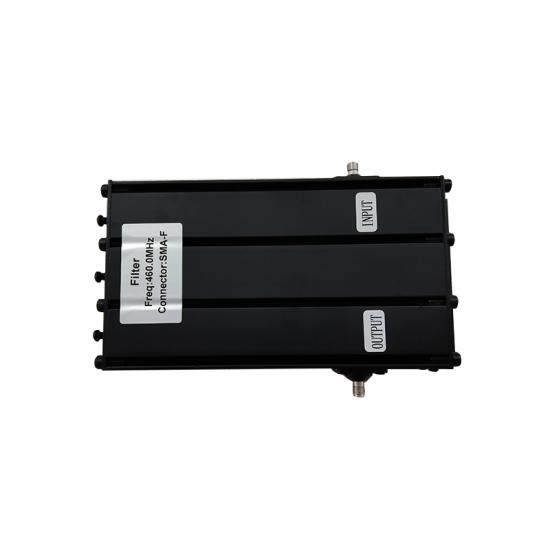
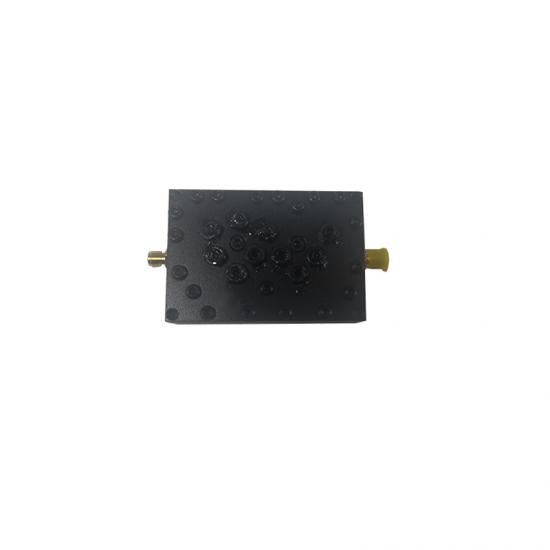
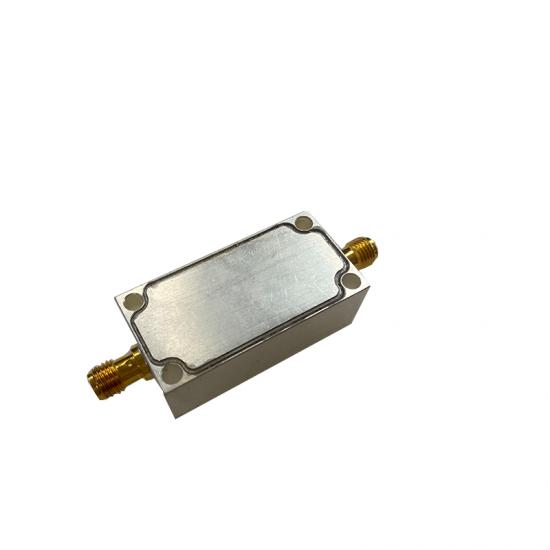
| Connectors | SMA-Female / N-Female (50Ω) | |
| Operating Temp | -30℃ to +60℃ | |
| Storage temperature | -45℃ to +75℃ | |
| Surface Finish | Black | |
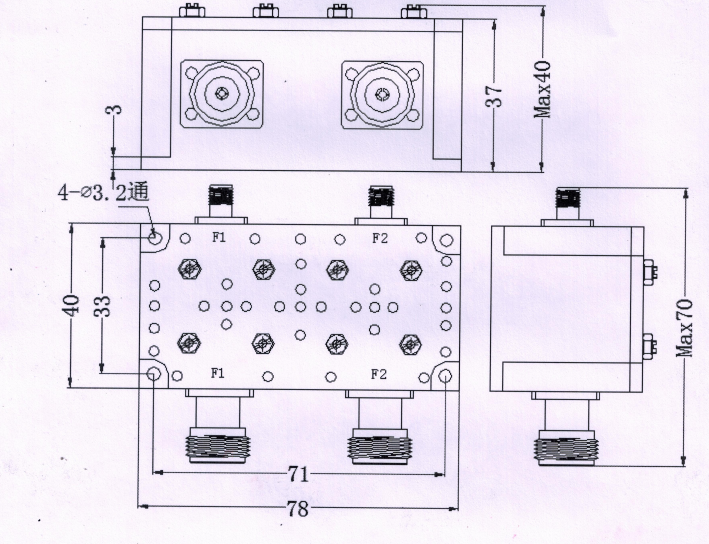
| Configuration | Tolerance ±0.3mm | |
Frequently Asked Questions
- Q1: What makes the isolation of this duplexer stand out?
- The device provides an isolation of ≥80dB, which is significantly higher than standard commercial duplexers. This ensures that high-power transmit signals do not interfere with sensitive receive paths, maintaining the integrity of the RF telecommunication parts.
- Q2: Can I choose between different connector types?
- Yes, this model supports both SMA-Female and N-Female connectors. This allows engineers to integrate the duplexer into various system architectures without needing additional adapters, ensuring a low VSWR connection.
- Q3: Is this duplexer suitable for extreme environmental conditions?
- Absolutely. With a storage temperature range down to -45℃ and an operating range up to +60℃, combined with a durable black surface finish, it is designed for consistent performance in both indoor and outdoor deployments.
- Q4: How does the low ripple specification benefit my network?
- The ripple of ≤0.2dB ensures a very flat response across the entire frequency band. This minimizes signal distortion and group delay, which is critical for maintaining high data rates in modern digital communication systems.
Outline drawing