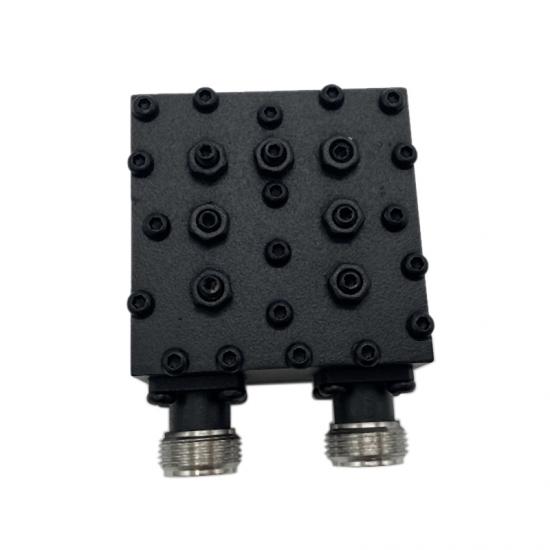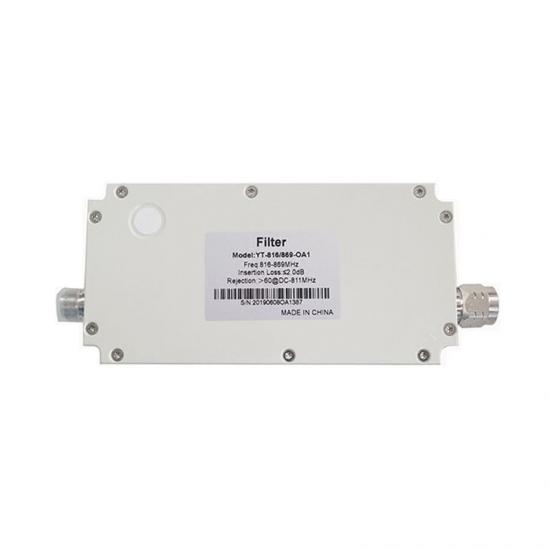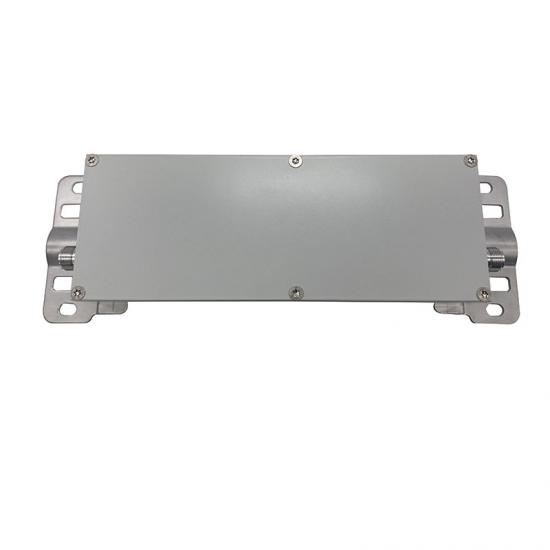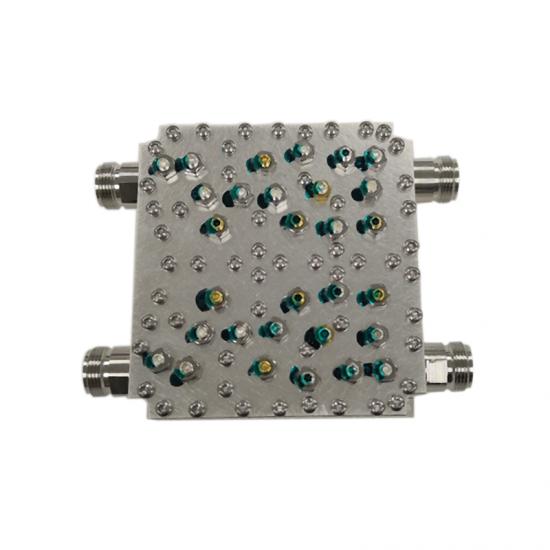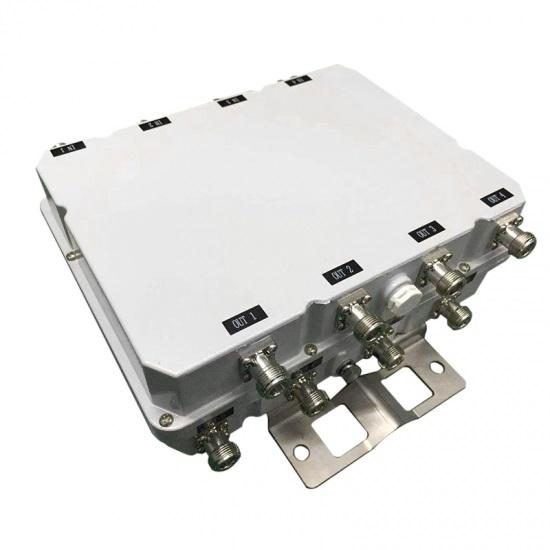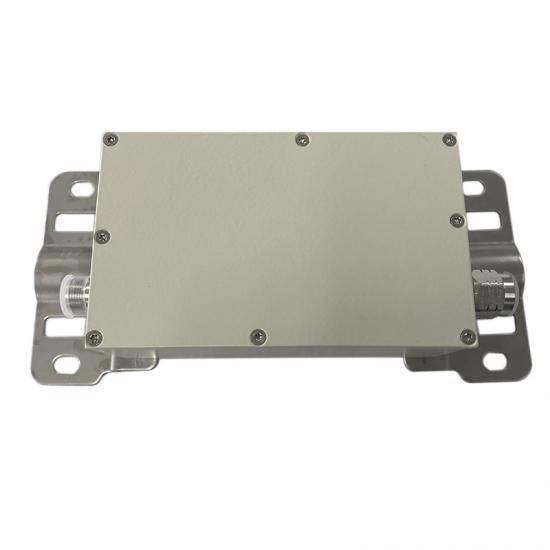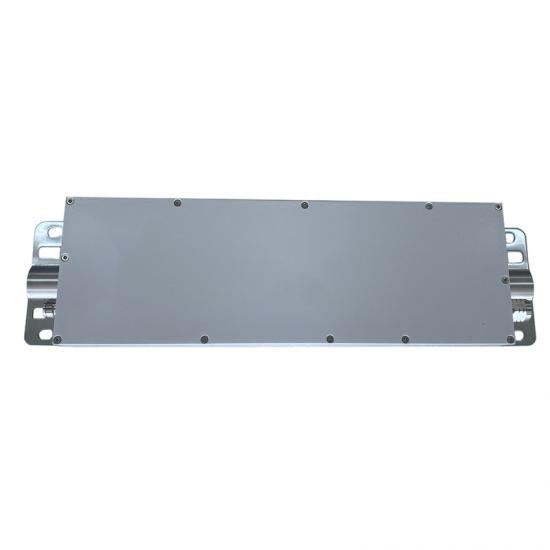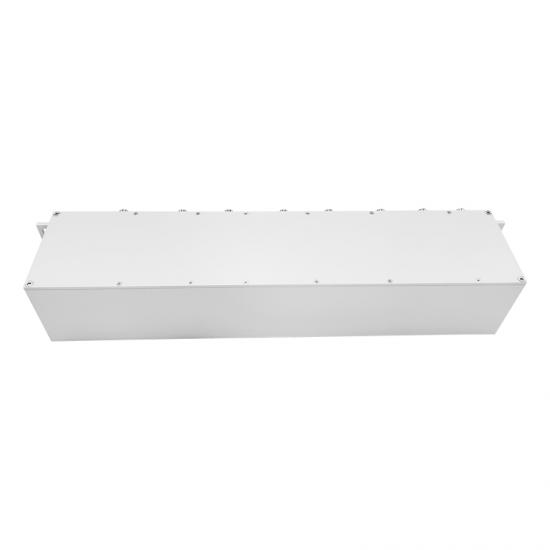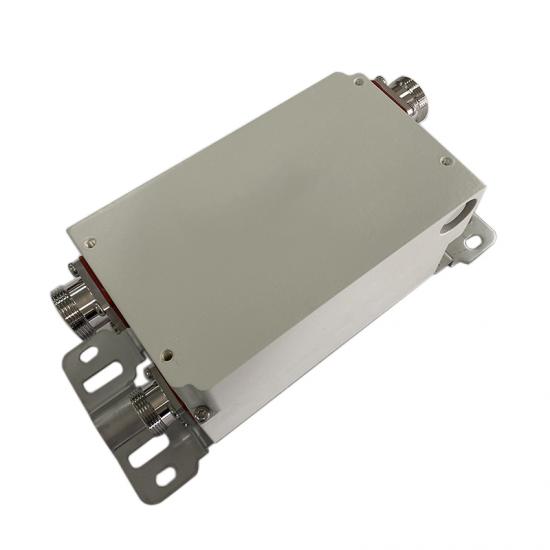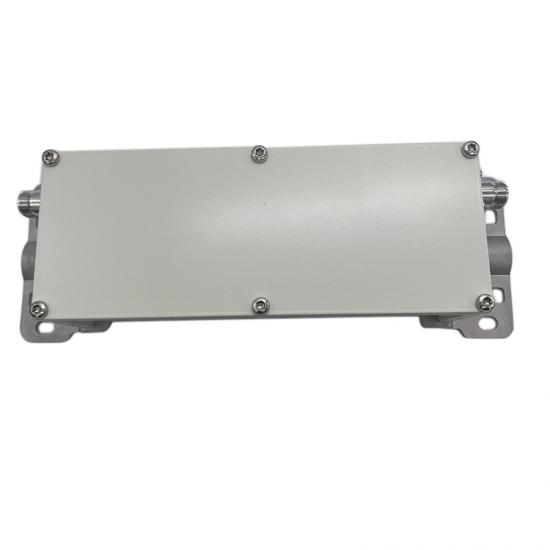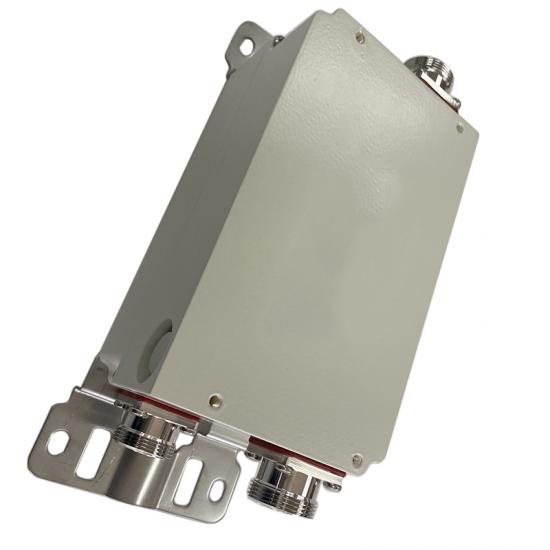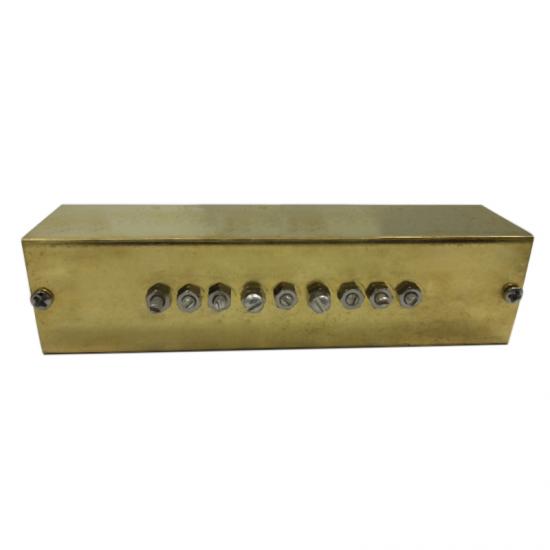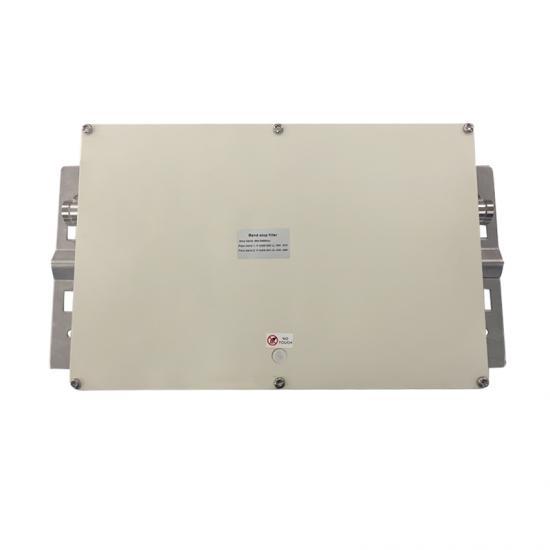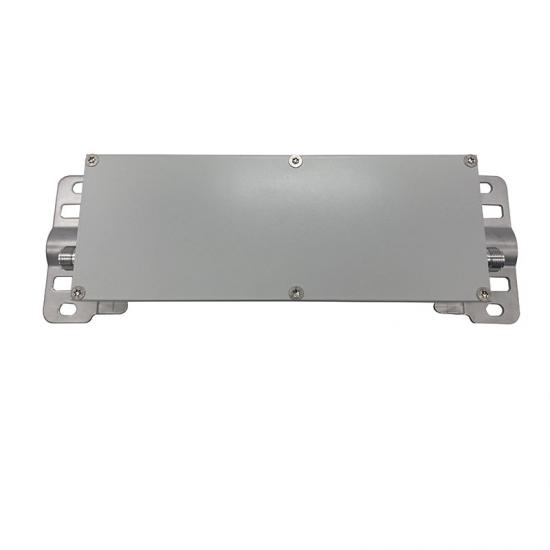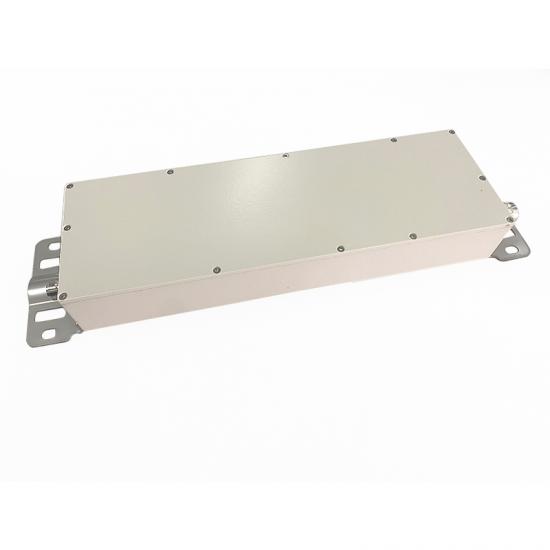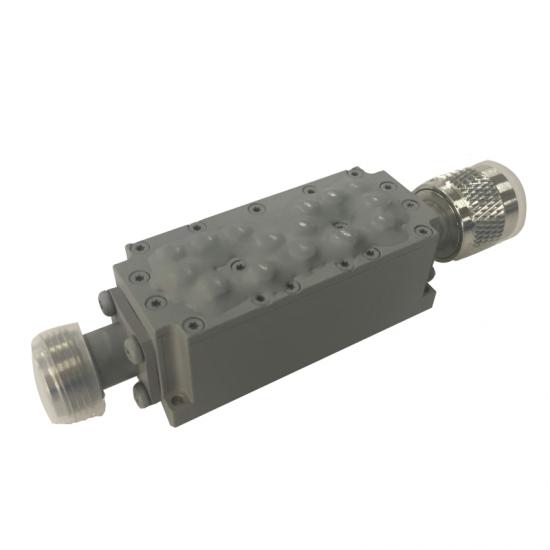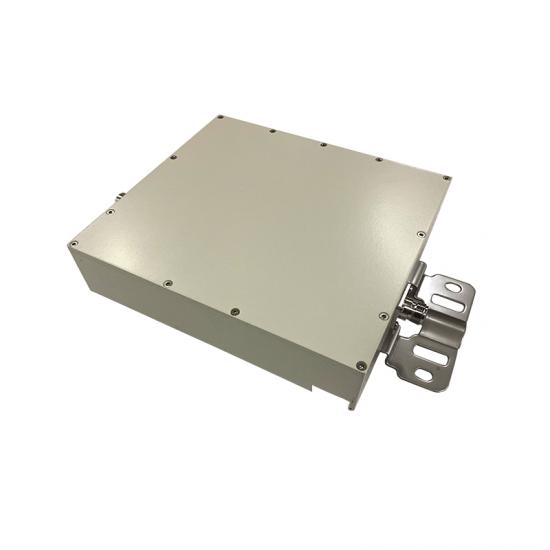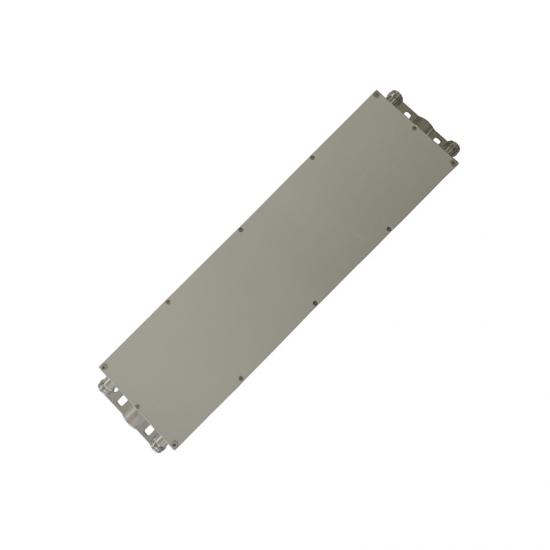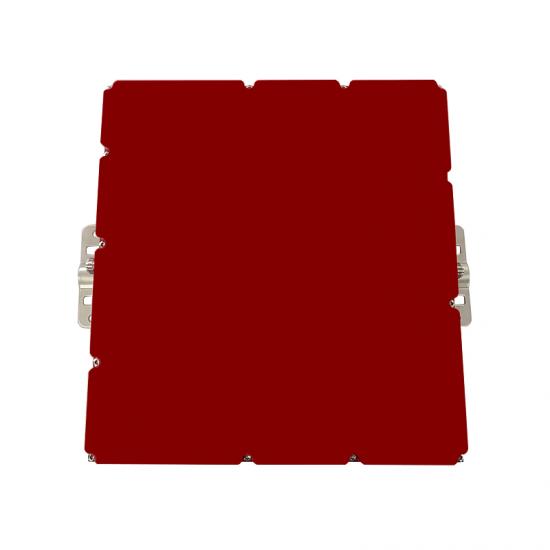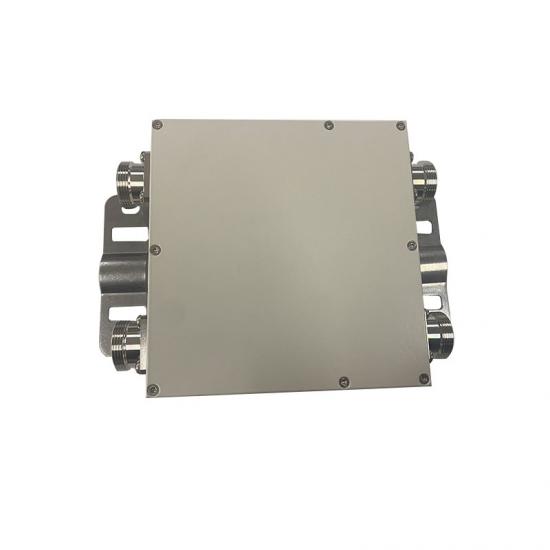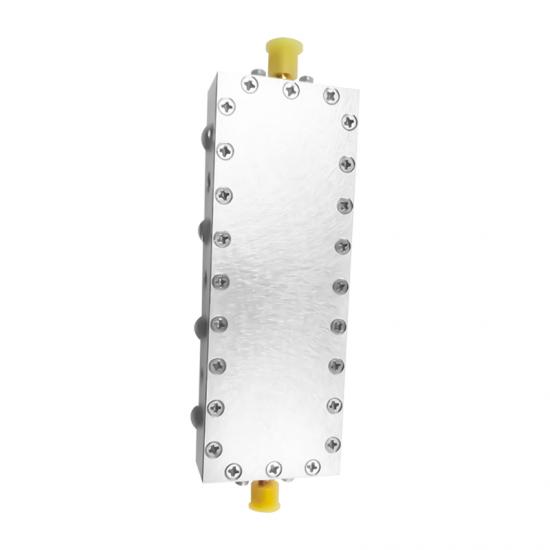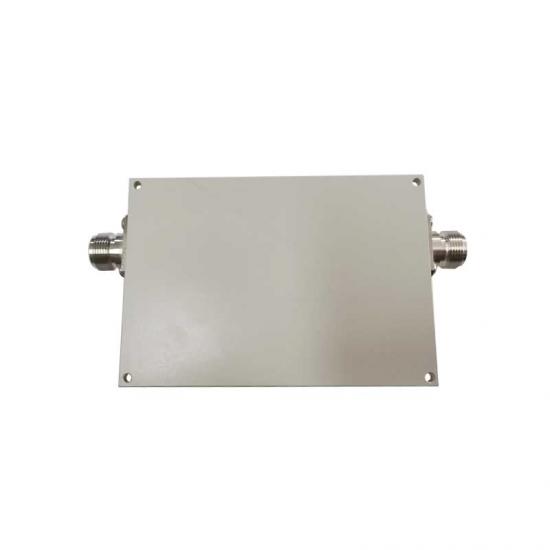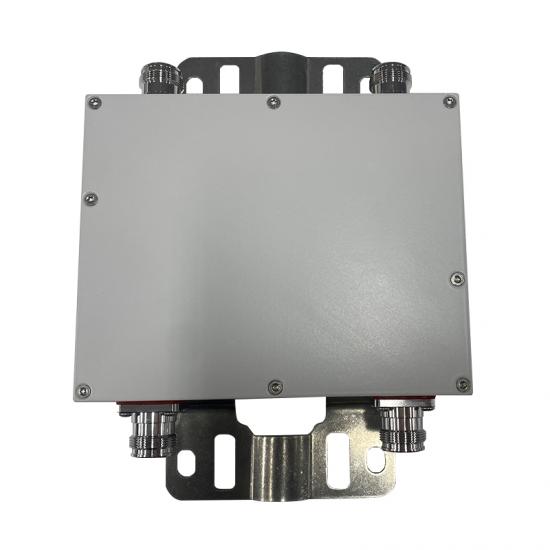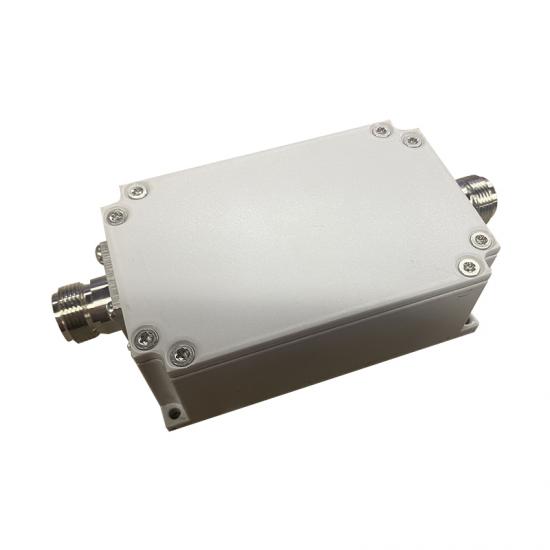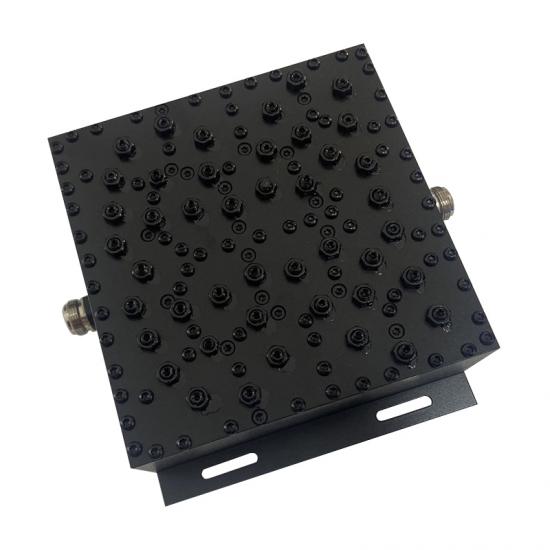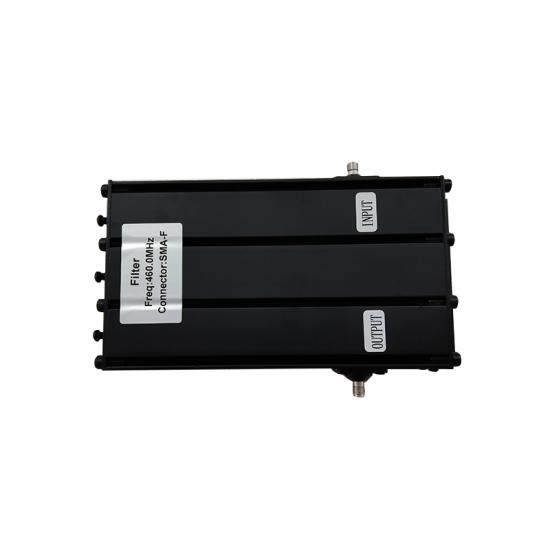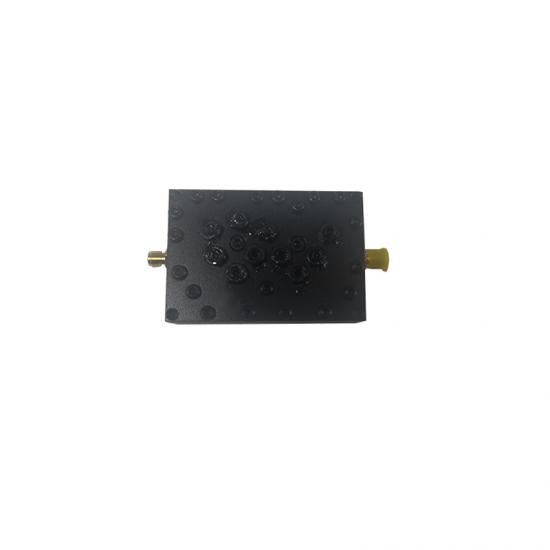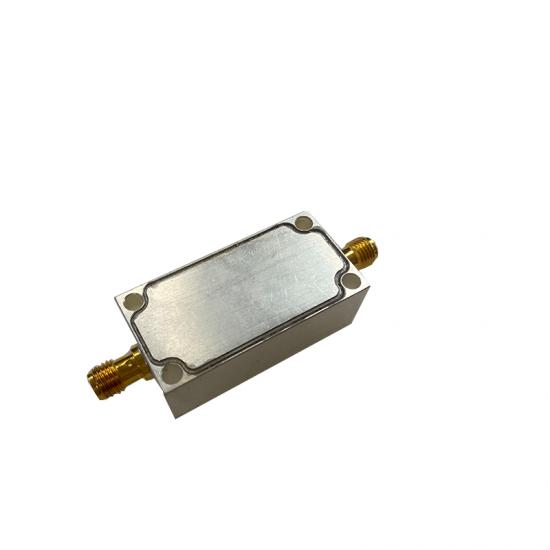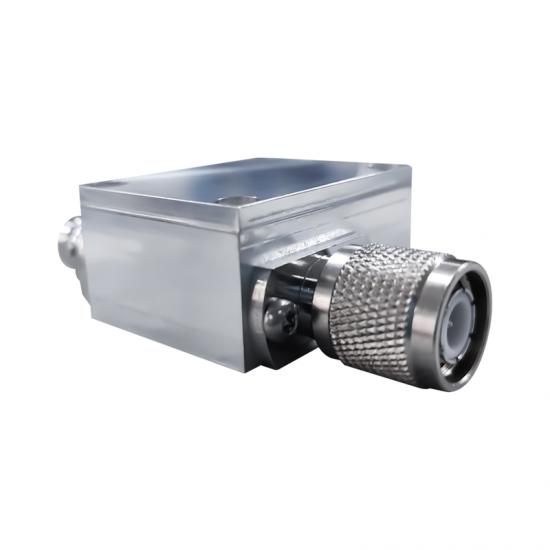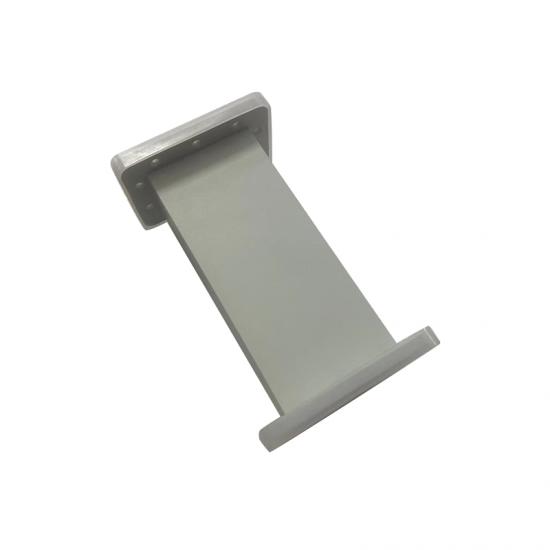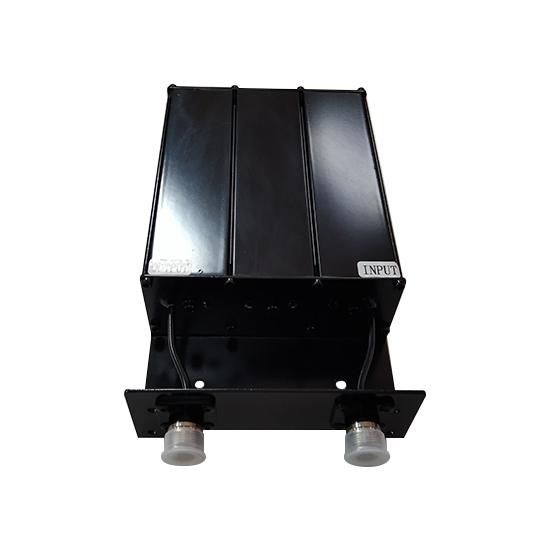


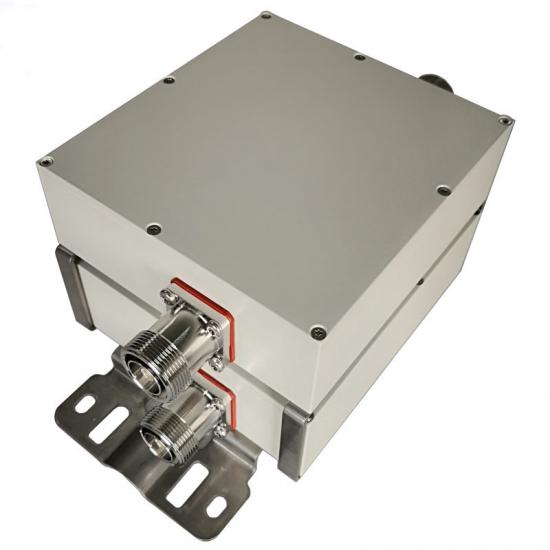
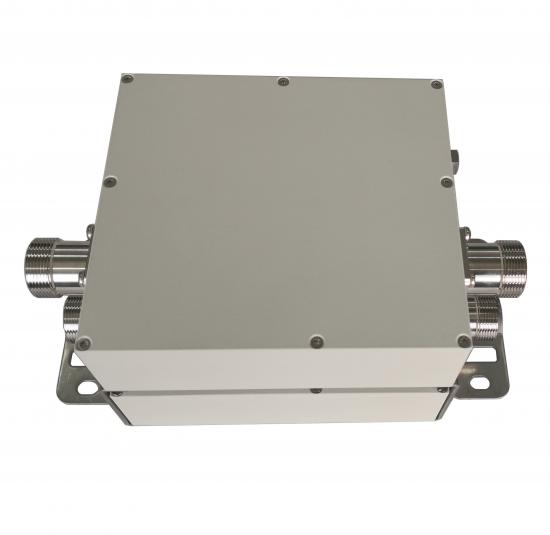
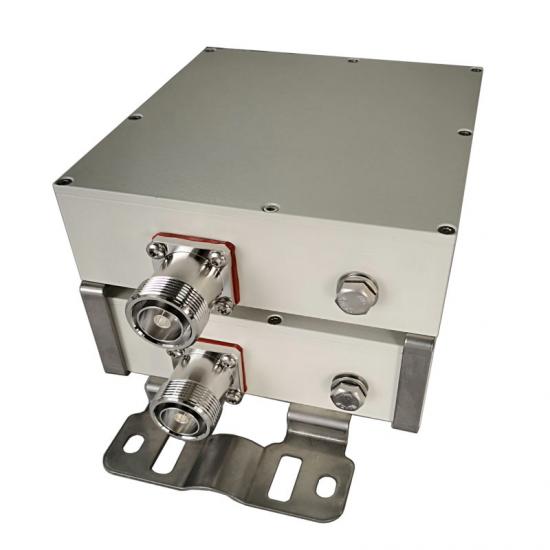
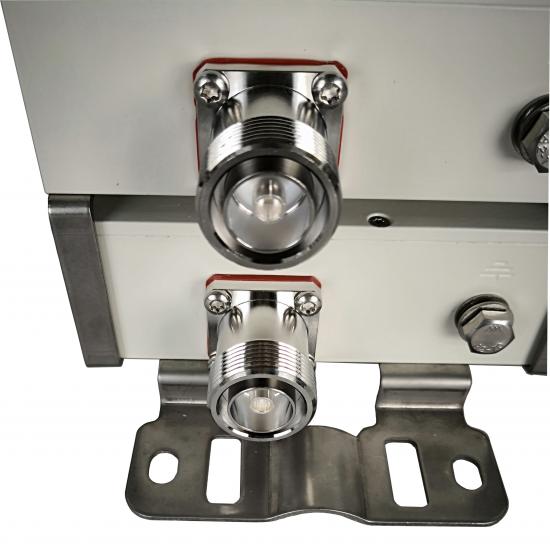
Product Overview & Features
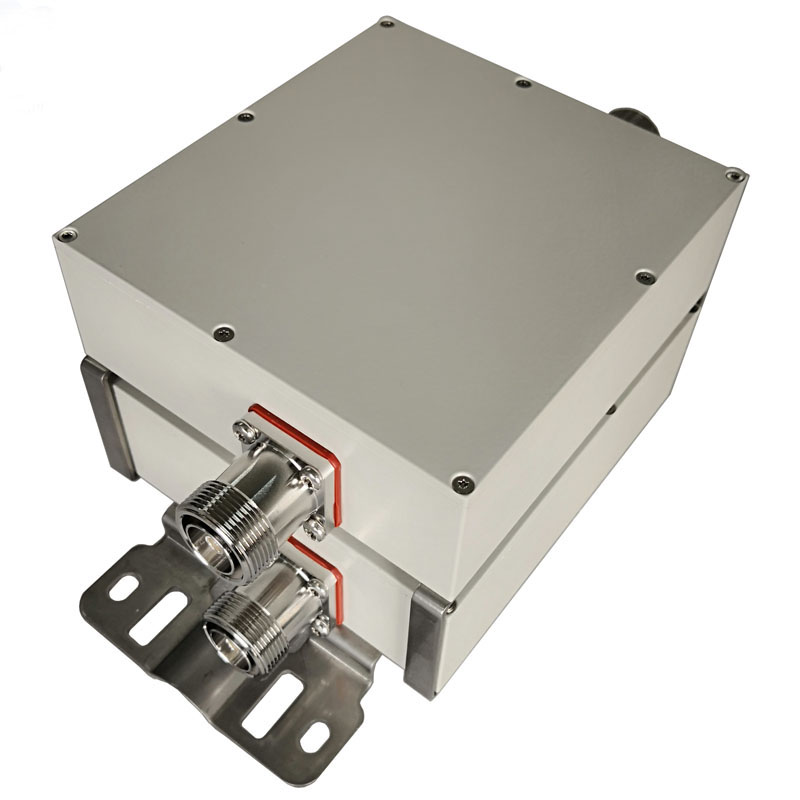
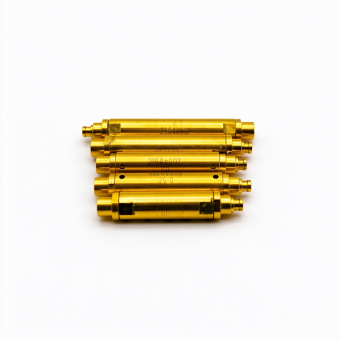
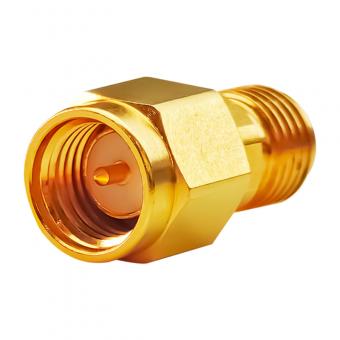
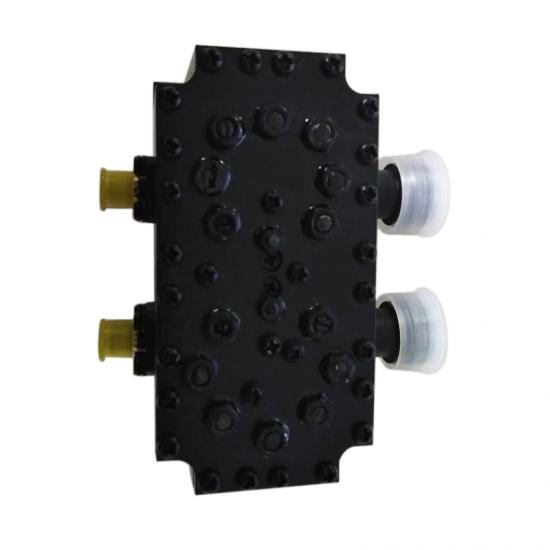
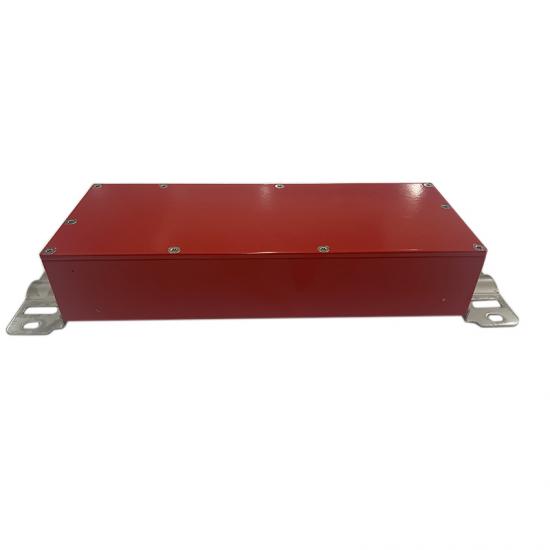
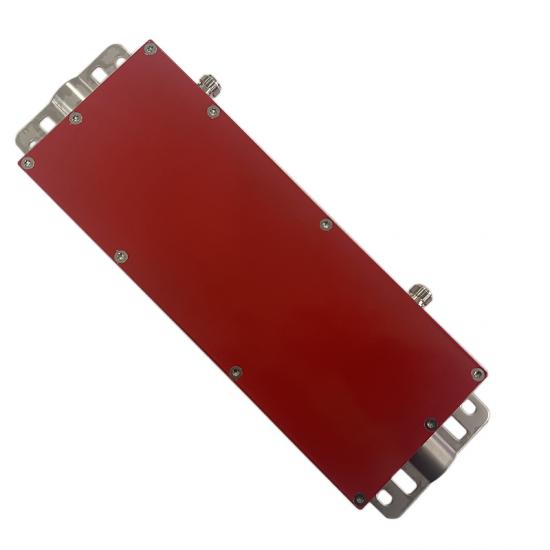
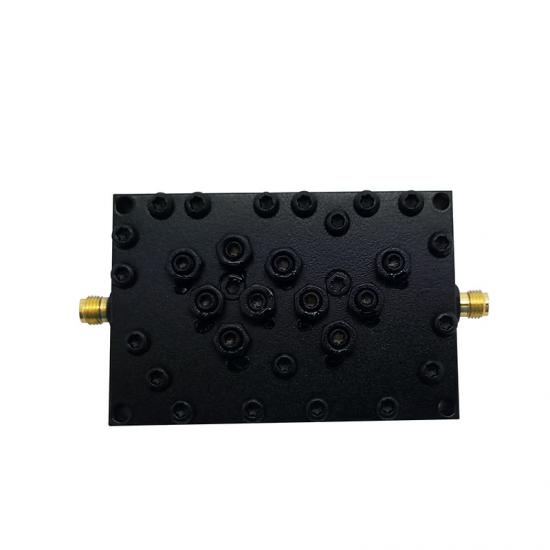
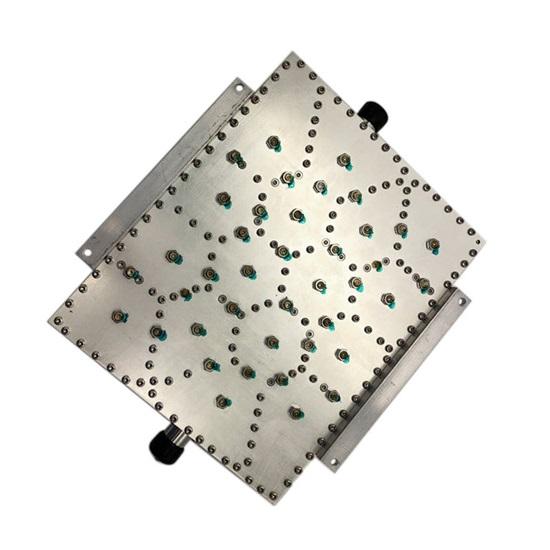
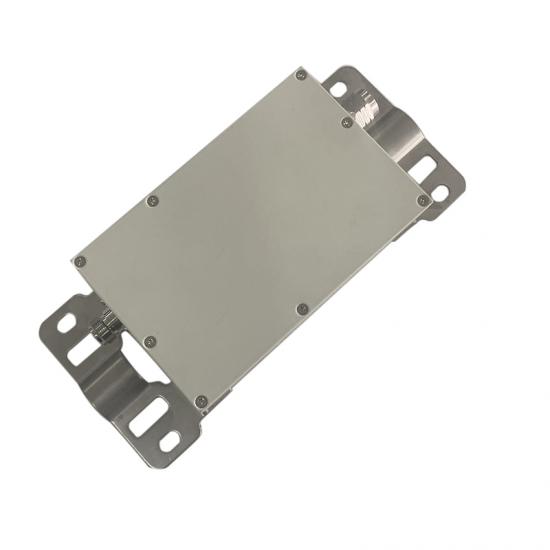
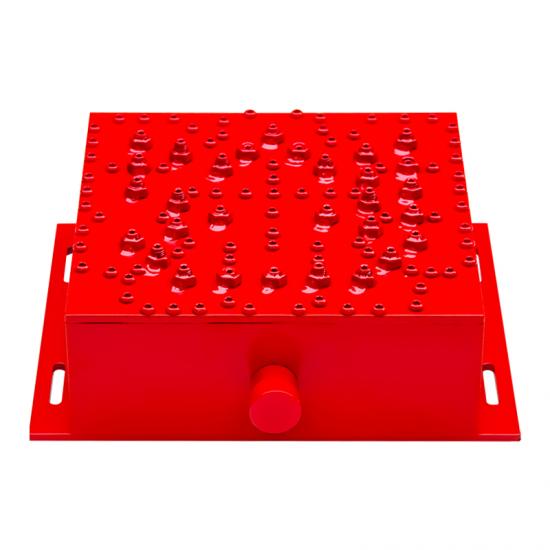
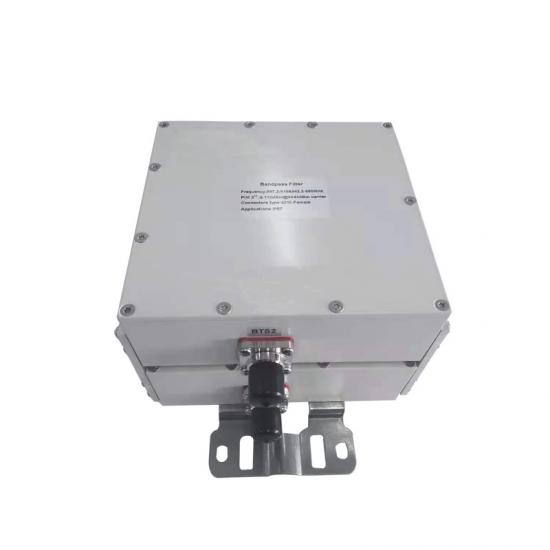
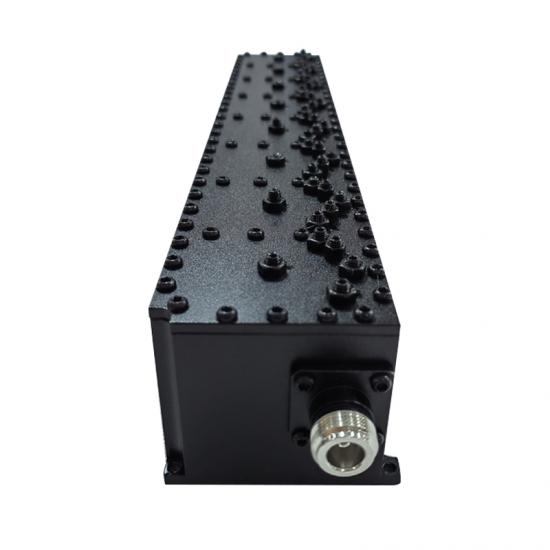
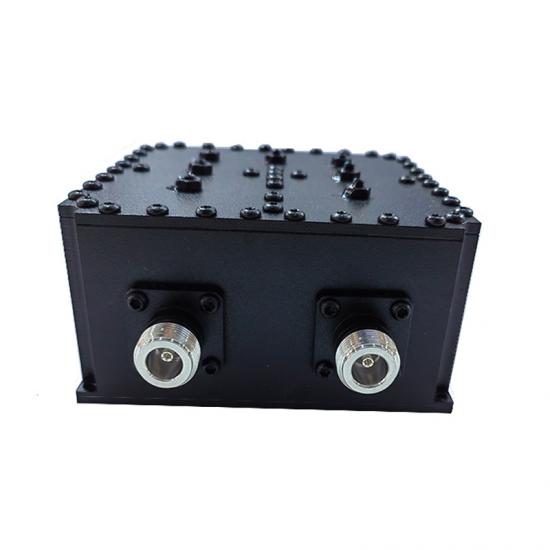
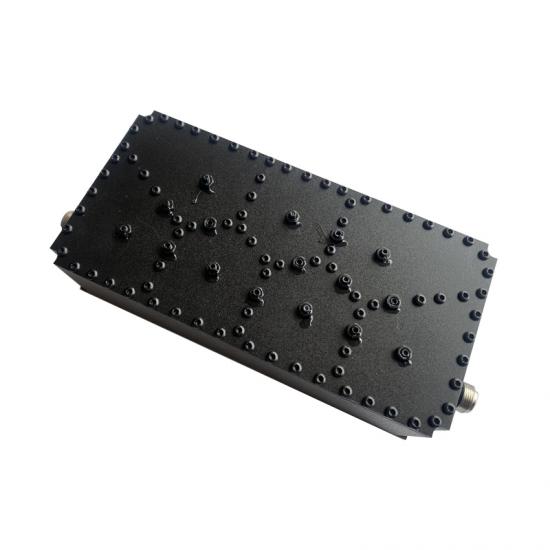
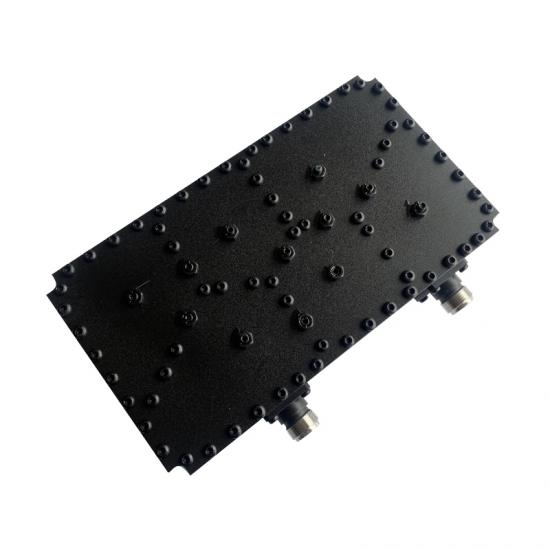
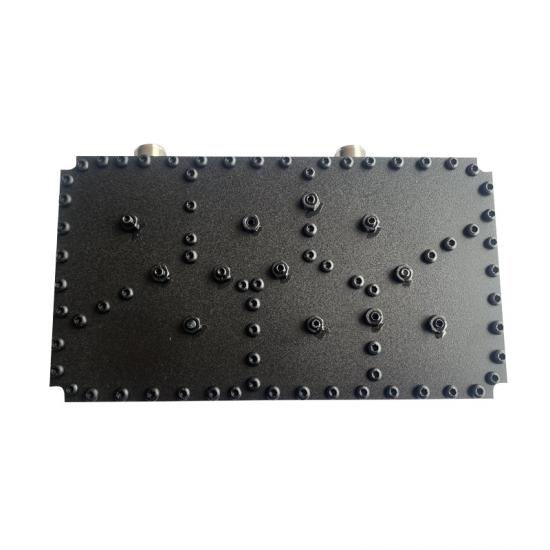
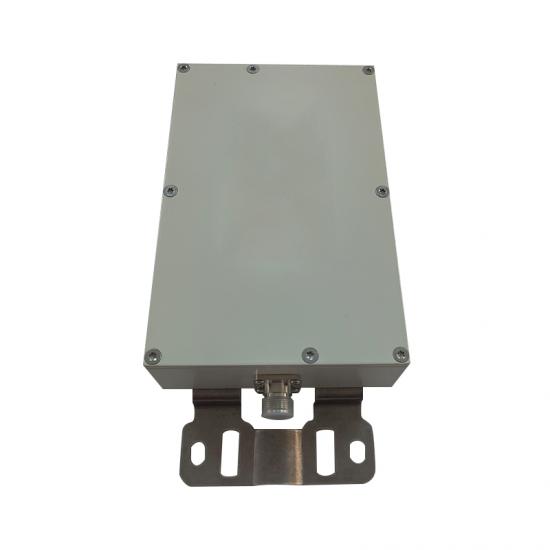
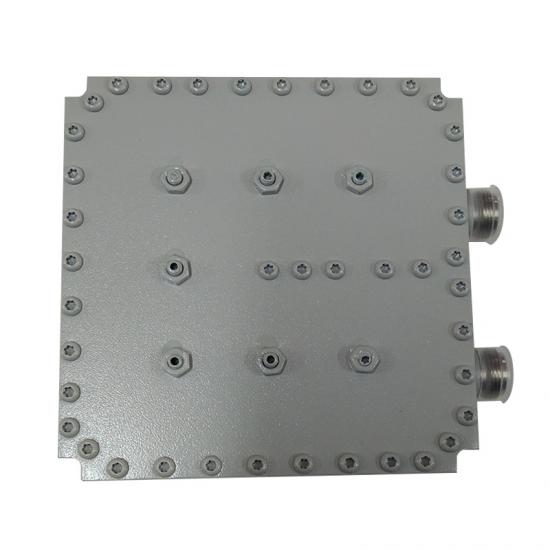
The MNF-801/852-OA1 is a high-performance RF Bandpass Filter designed to enhance receiver selectivity and amplifier efficiency. Specifically engineered for the 800MHz spectrum, it features two precise passbands (801-811MHz and 842-852MHz) with high stopband attenuation (>60dB). This 200W filter is essential for reducing interference between closely mounted antennas in 2G, 3G, and 4G/LTE In-building Solutions (IBS), ensuring superior signal isolation and network reliability.
Technical & Mechanical Specifications
| Parameter Item | Specification Details |
|---|---|
| Model No. | MNF-801/852-OA1 |
| Frequency Range |
CH1: 801 to 811 MHz CH2: 842 to 852 MHz |
| Insertion Loss | 0.9 dB (0.7 dB typical) |
| Rejection | > 60 dB @ 821-824 MHz / 866-869 MHz |
| Isolation | ≥ 60 dB (70 dB typical) |
| Return Loss | ≤ 18 dB (20 dB typical) |
| IMD in RX band (BTS Port) | ≤ -155 dBc (-157 dBc typical) @ 2*43 dBm |
| Average Power | 200 Watts |
| Impedance | 50 Ohms |
Frequently Asked Questions (Q&A)
- Q1: How does this bandpass filter improve receiver performance?
- A: By only allowing the 801-811MHz and 842-852MHz signals to pass, it effectively filters out noise and signals from other frequencies that could saturate or desensitize the receiver, leading to clearer communication.
- Q2: What is the significance of the >60dB rejection rating?
- A: Rejection measures the filter's ability to block unwanted frequencies. A 60dB rating means unwanted signals (like those in the 821-824MHz range) are reduced by a factor of 1,000,000, ensuring high isolation between uplink and downlink paths.
- Q3: Can this filter be used for high-power base stations?
- A: Yes, with an average power handling of 200W, this filter is robust enough for use in BTS (Base Transceiver Station) sites and high-power DAS nodes without compromising signal integrity.
- Q4: Why is low IMD (-155 dBc) important for this filter?
- A: Low Passive Intermodulation (PIM/IMD) ensures that the filter itself does not create interference when handling high-power signals. This is critical for maintaining high data rates in 4G and 5G networks.
- Q5: Is this filter suitable for multi-antenna co-location?
- A: Absolutely. It is designed to increase isolation between transmitters when antennas are mounted close together, preventing mutual interference and optimizing spectrum efficiency.
Product Photos