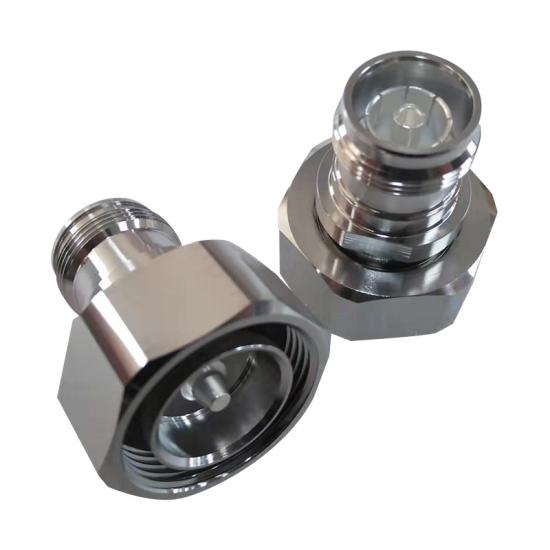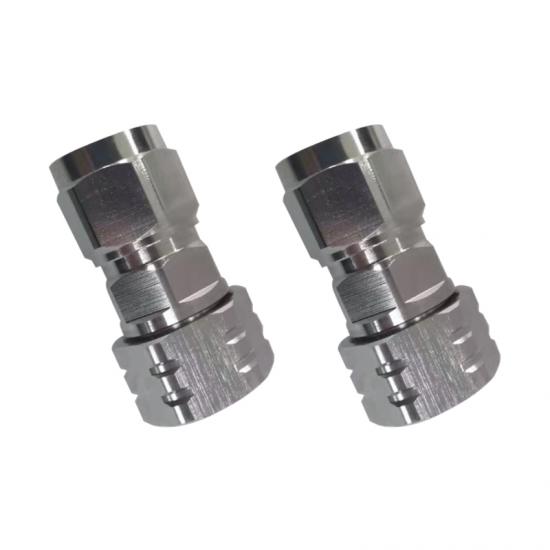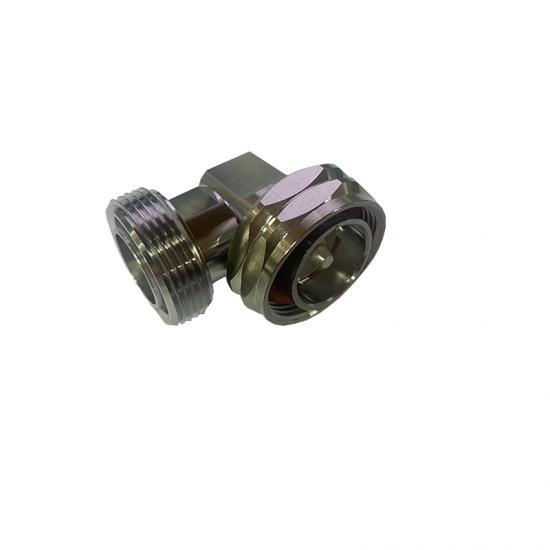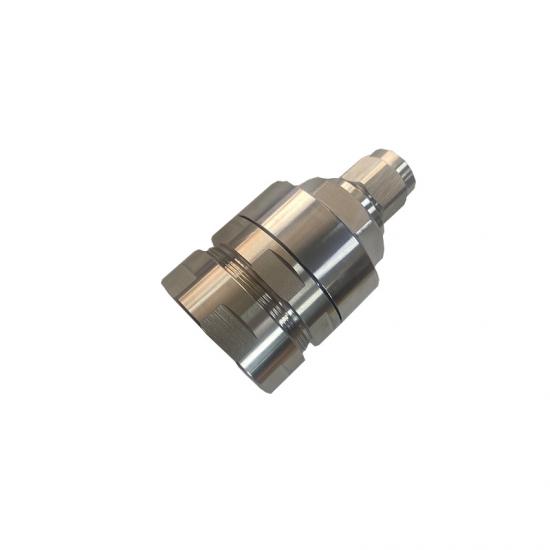


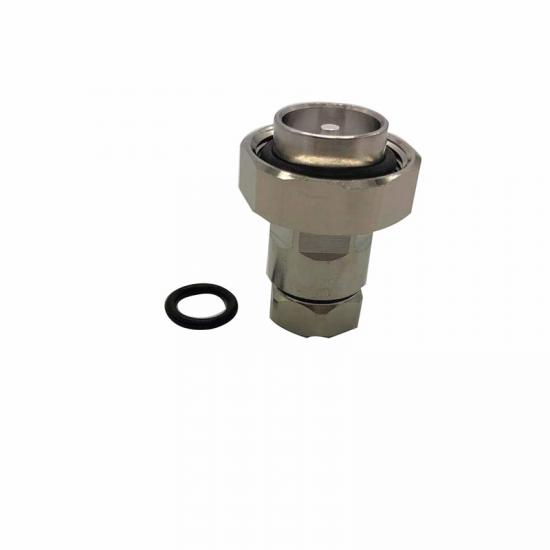
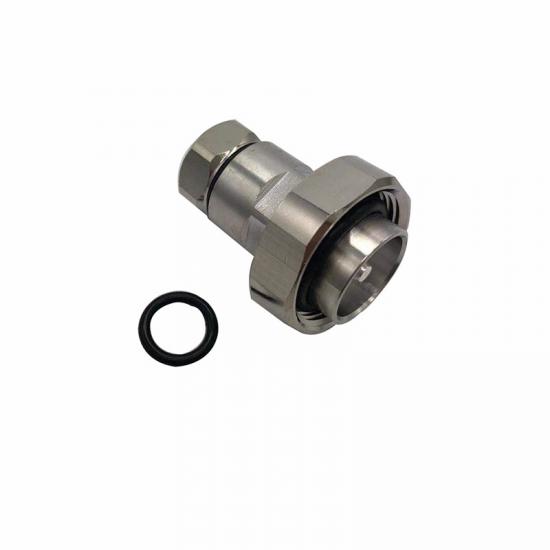
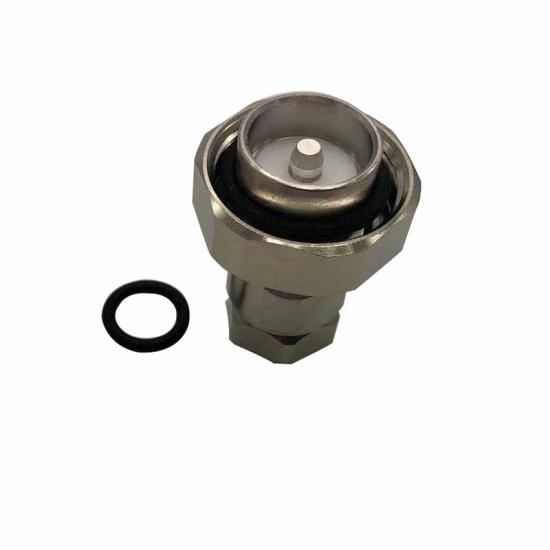
Product Overview
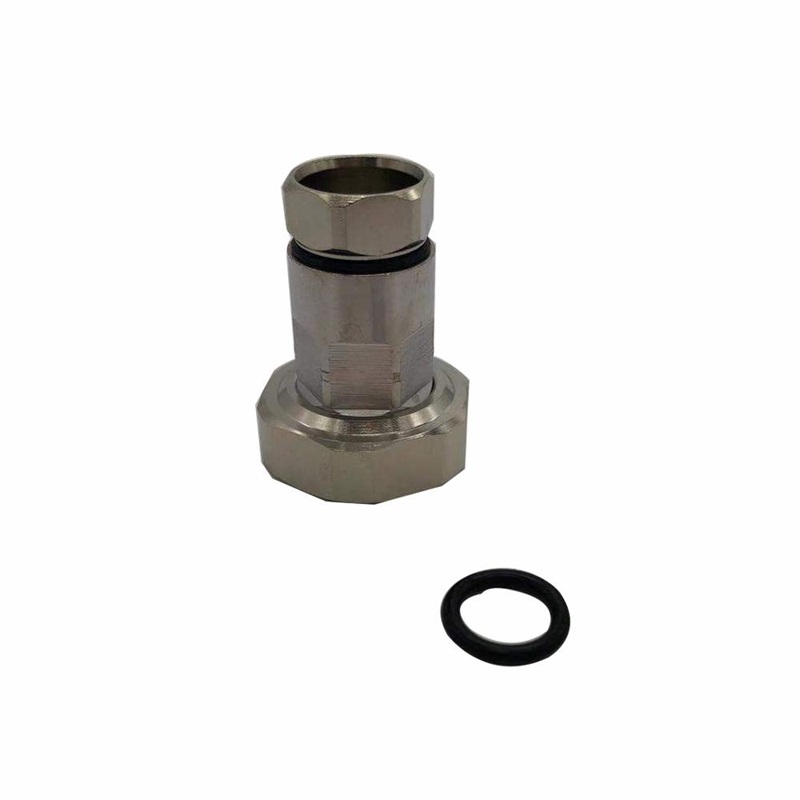
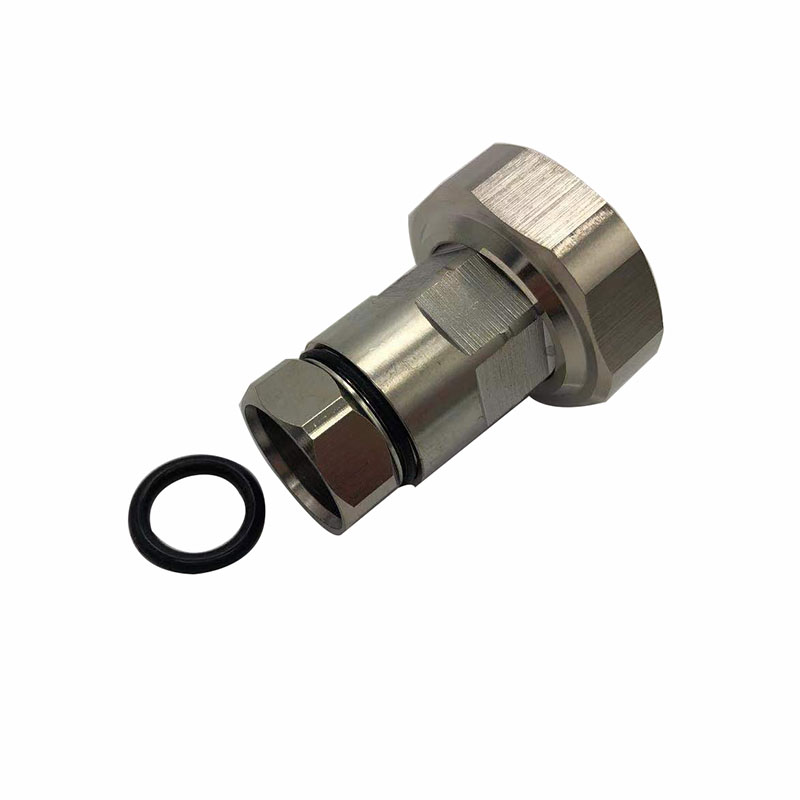
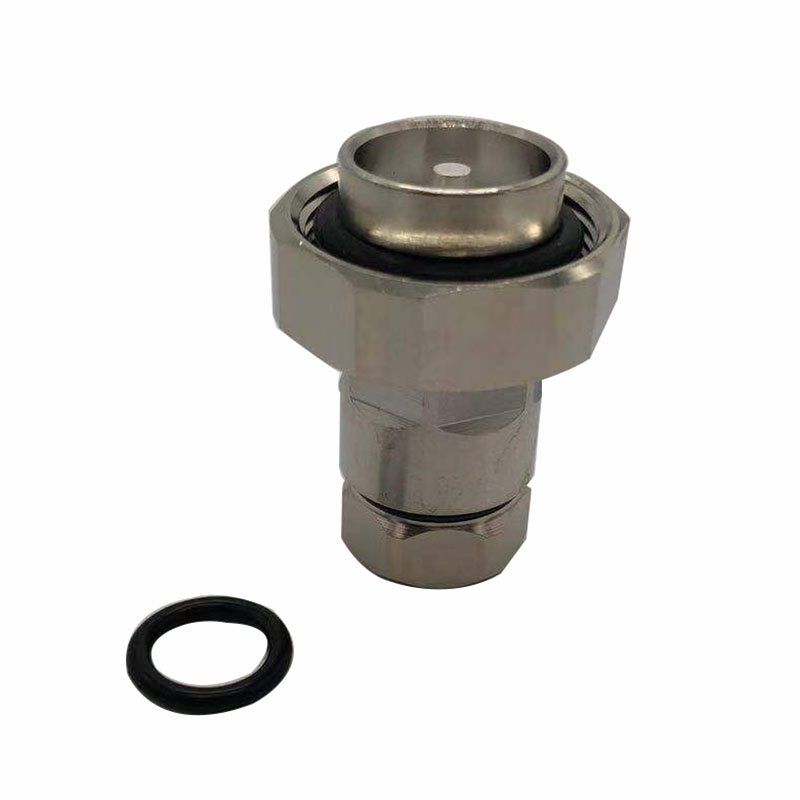
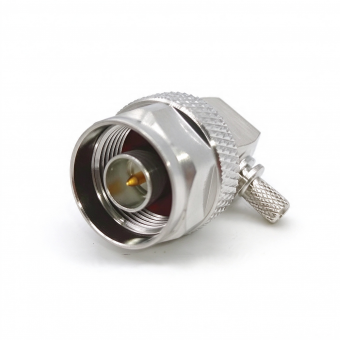
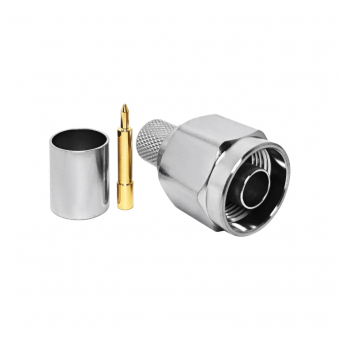
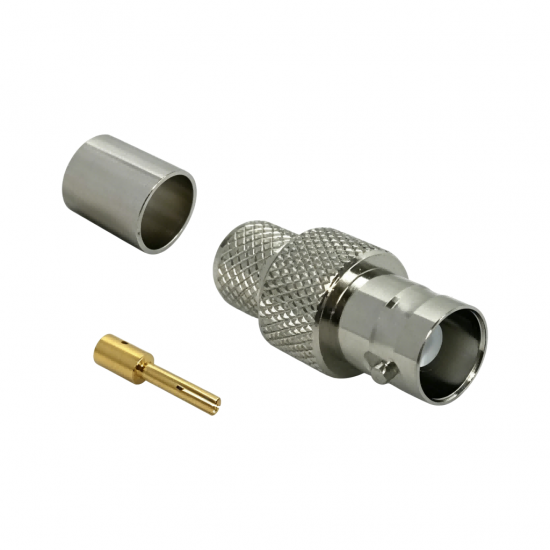
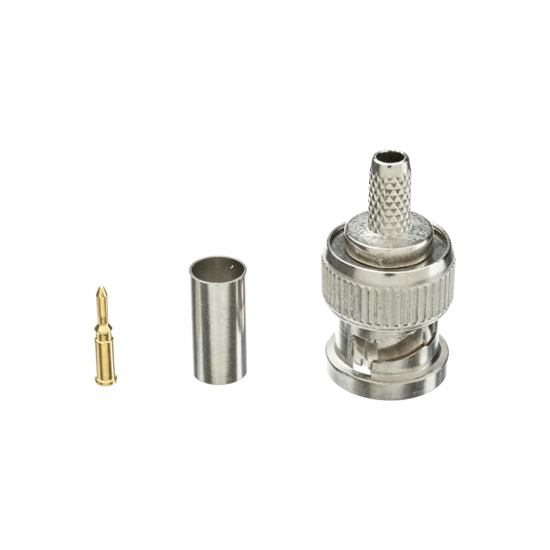
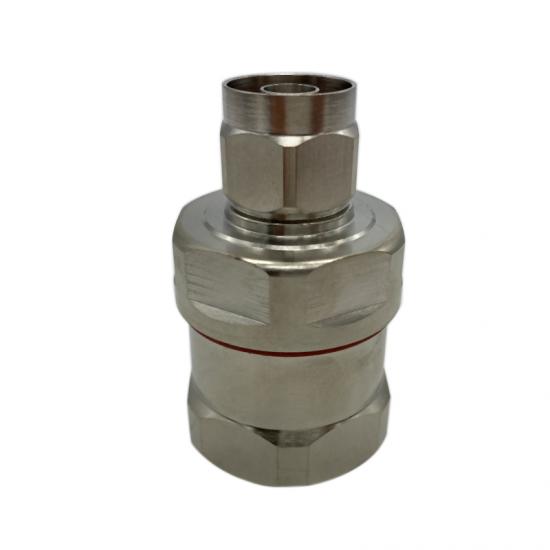
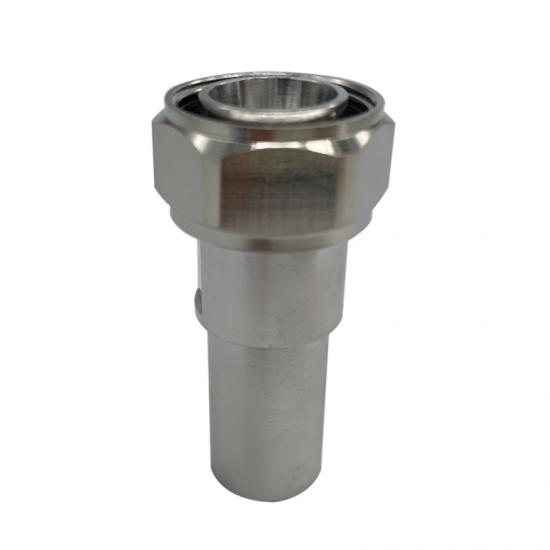
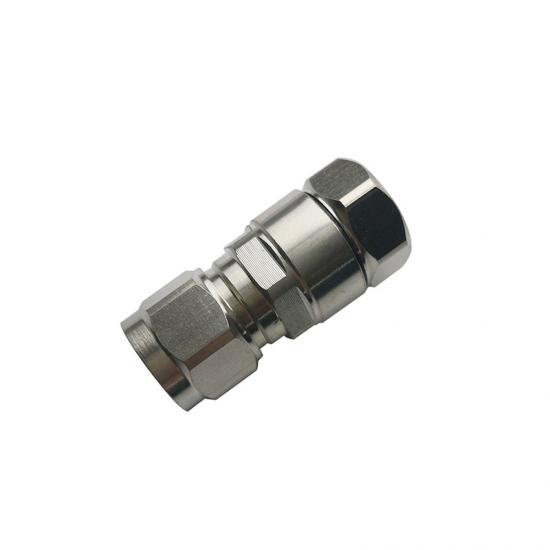
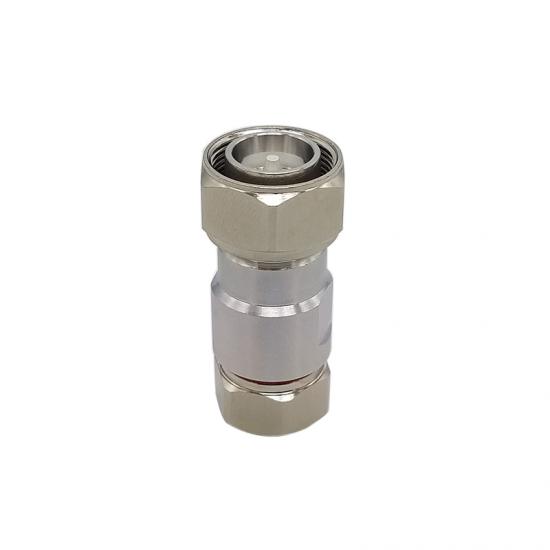
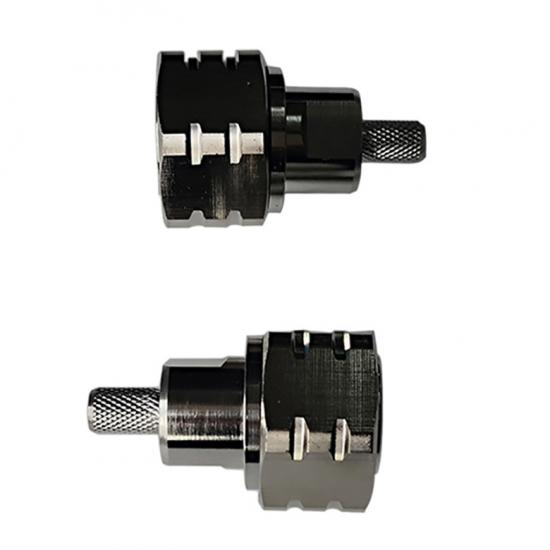
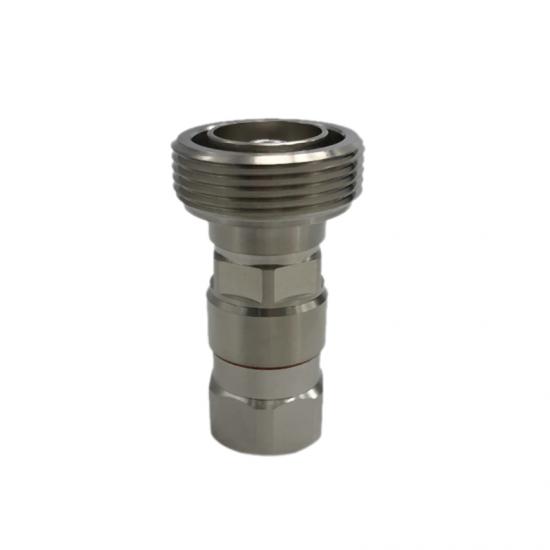
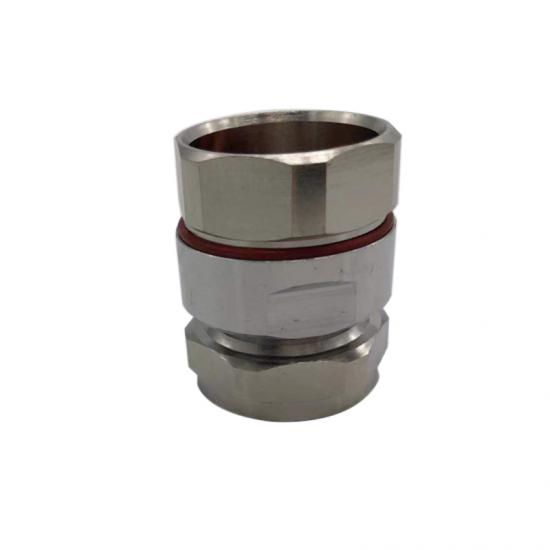
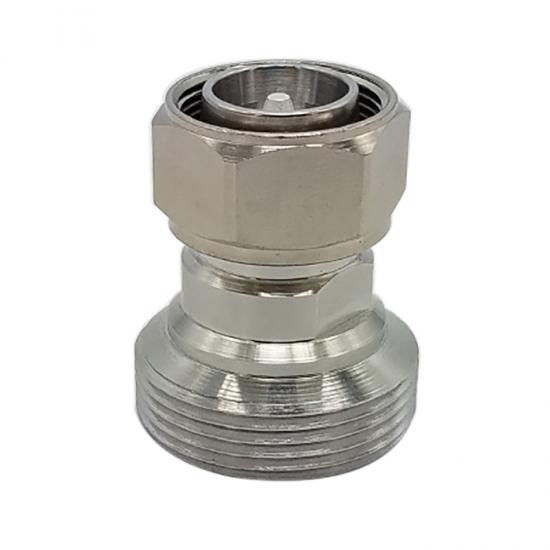
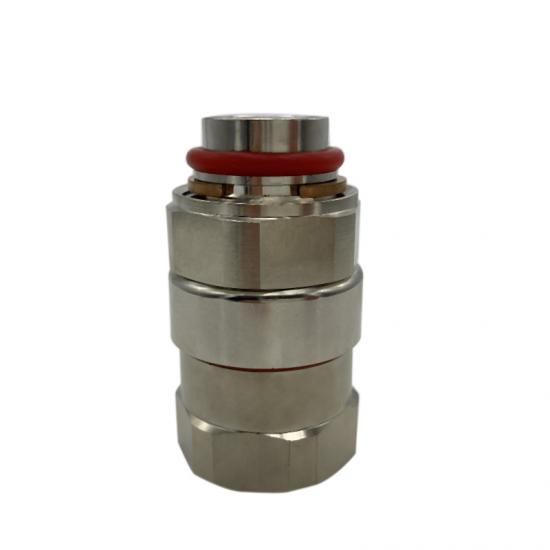
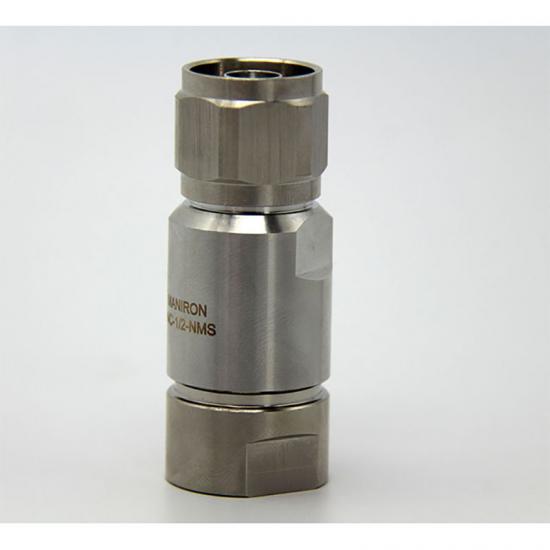
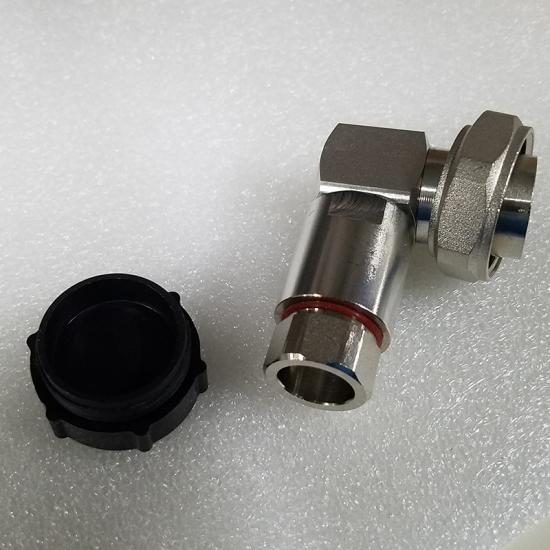
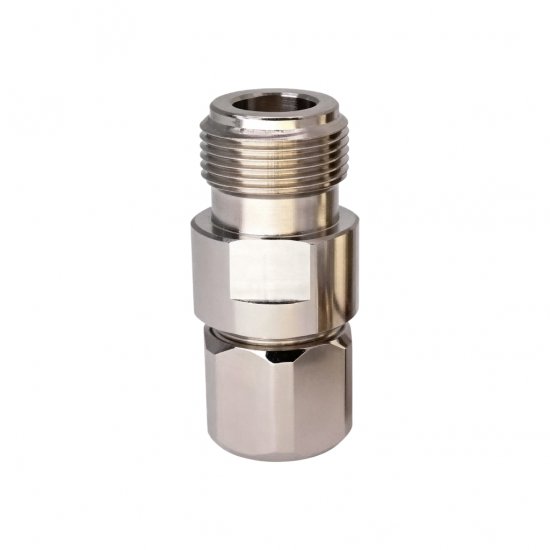
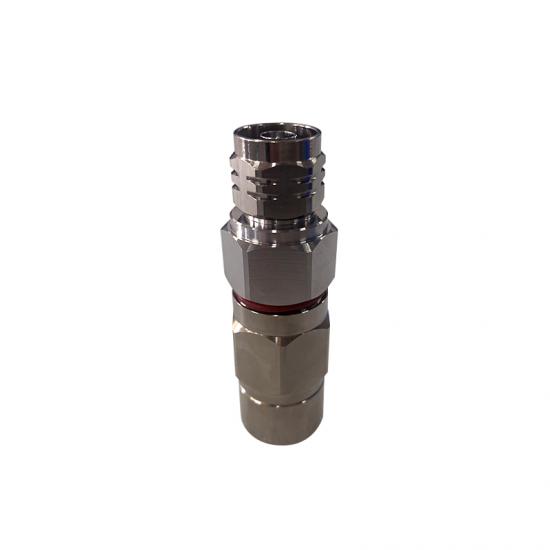
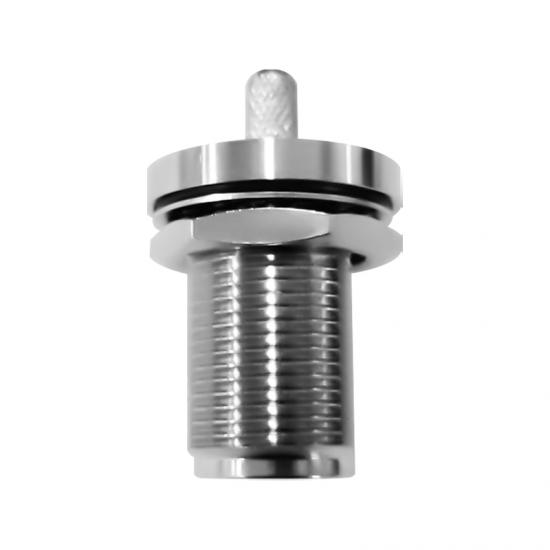
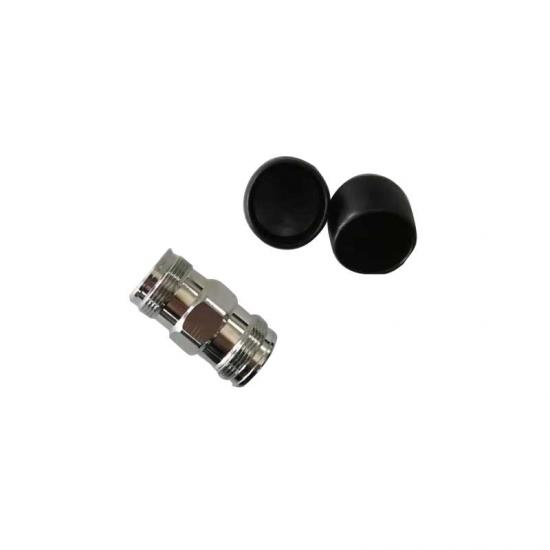
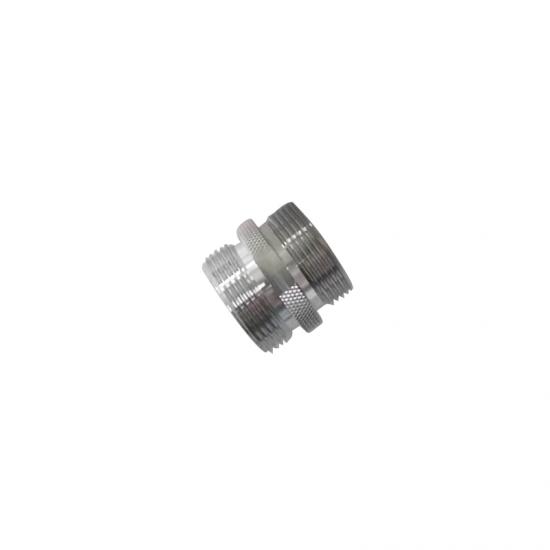
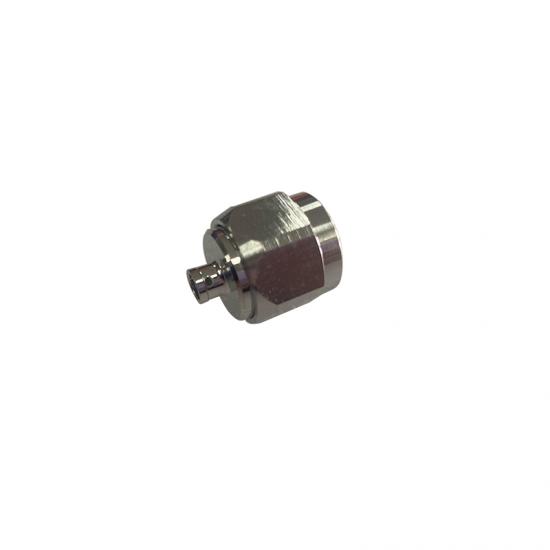
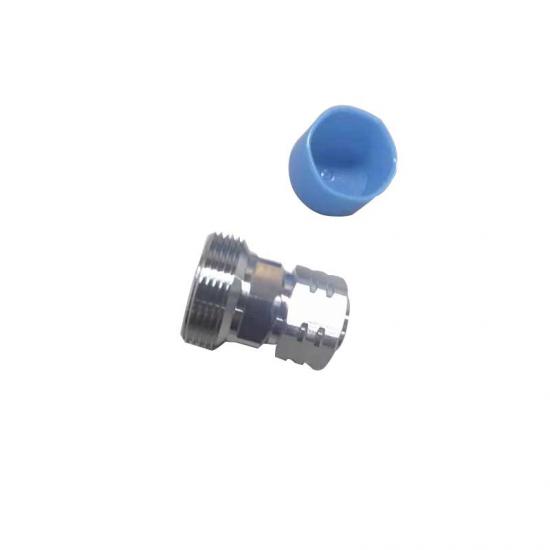
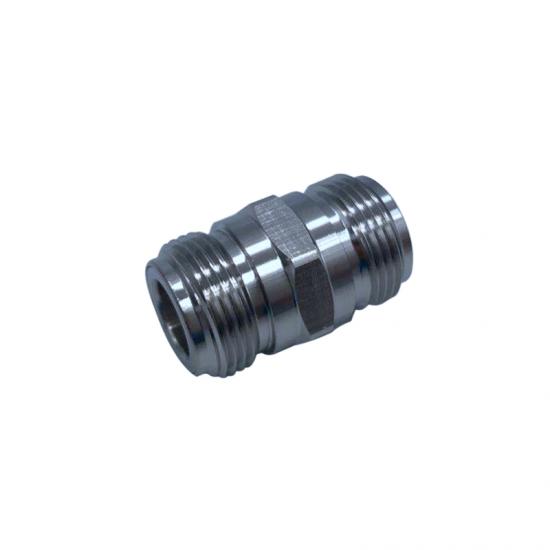
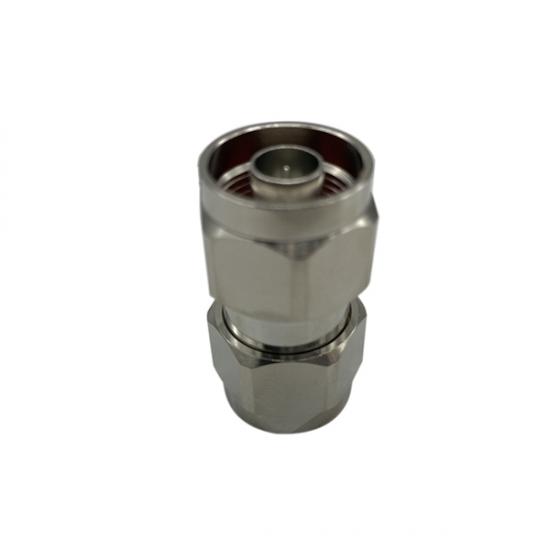
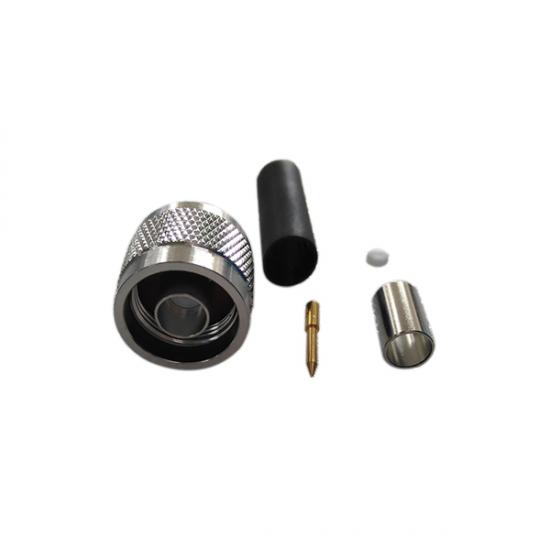
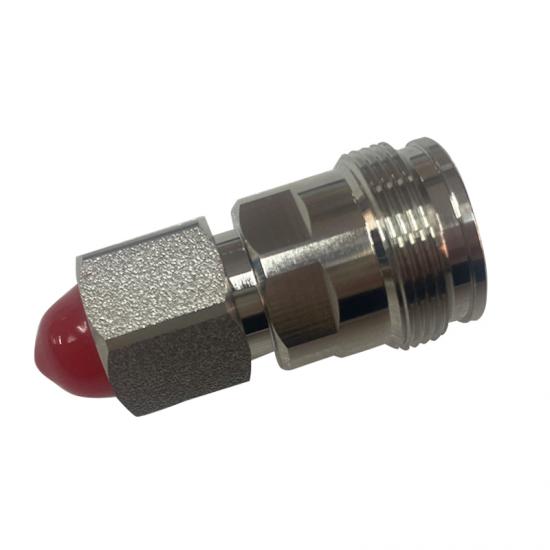
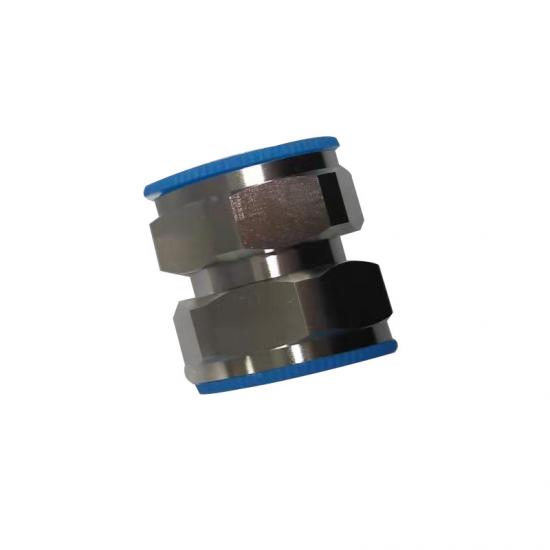
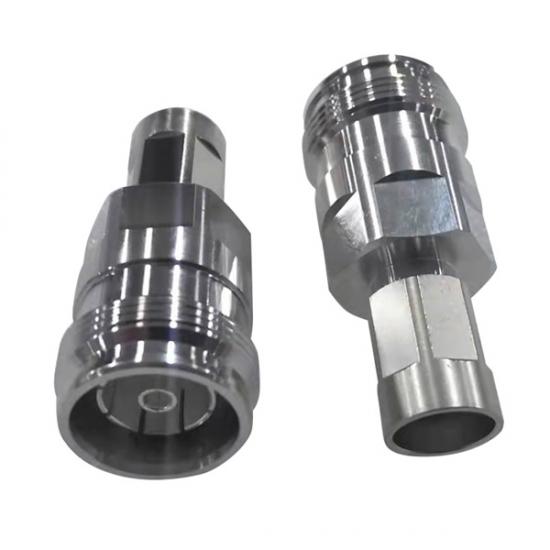
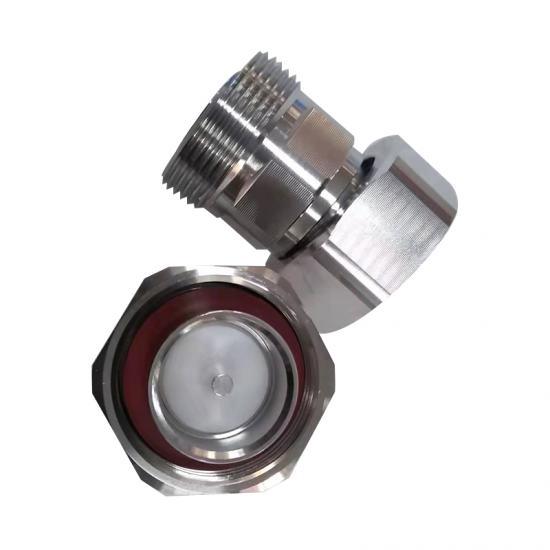
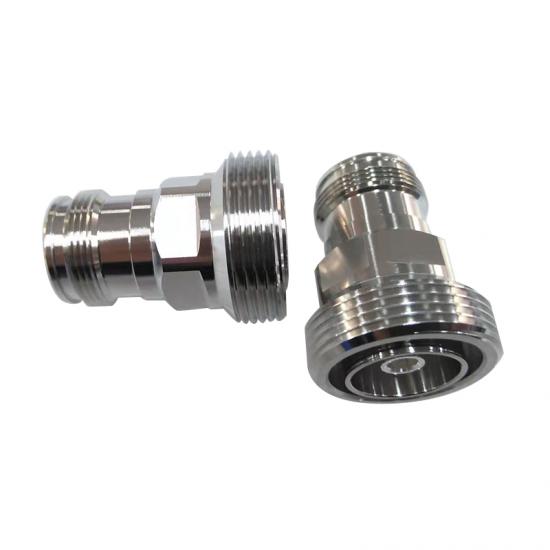
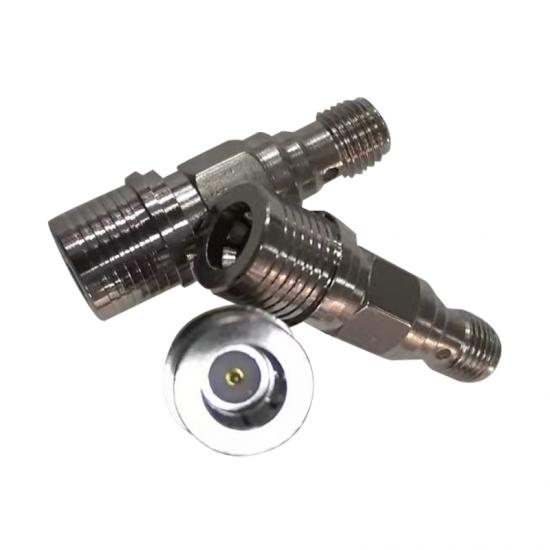
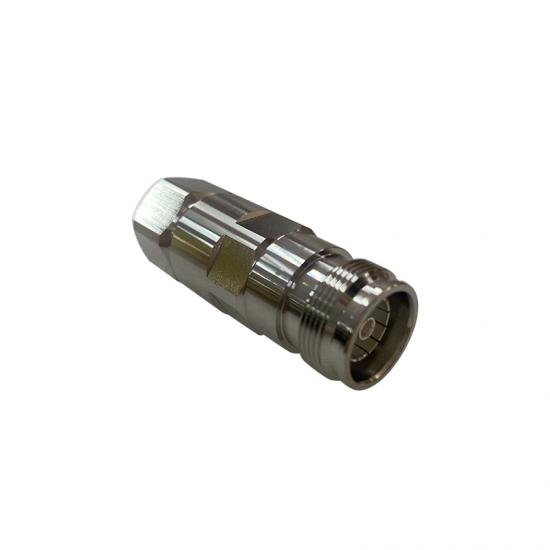
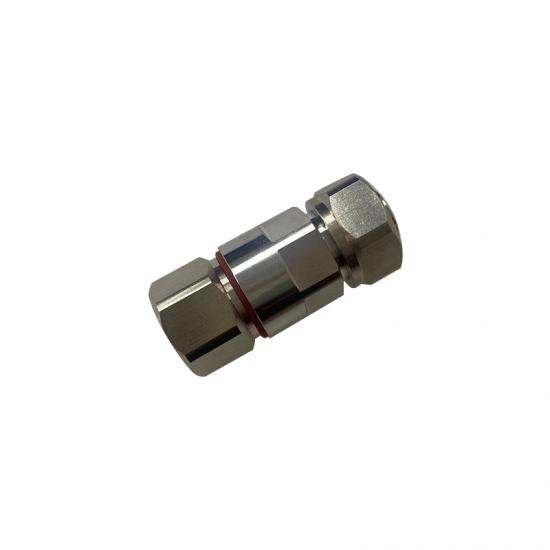
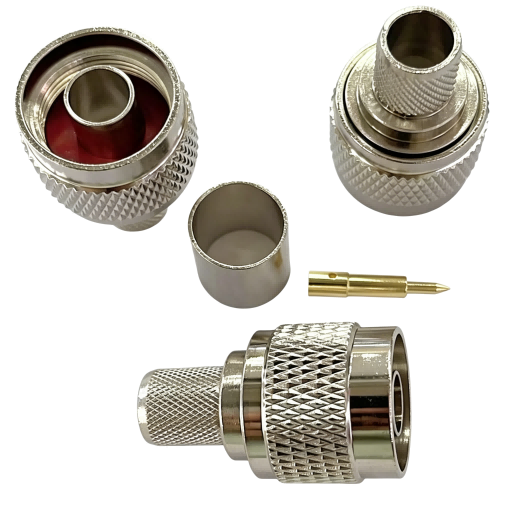
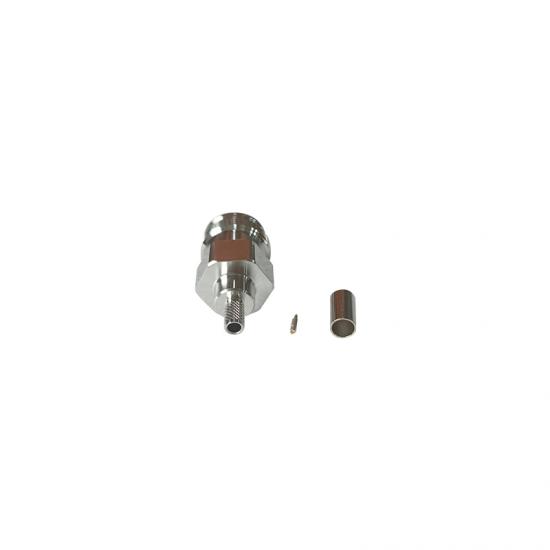
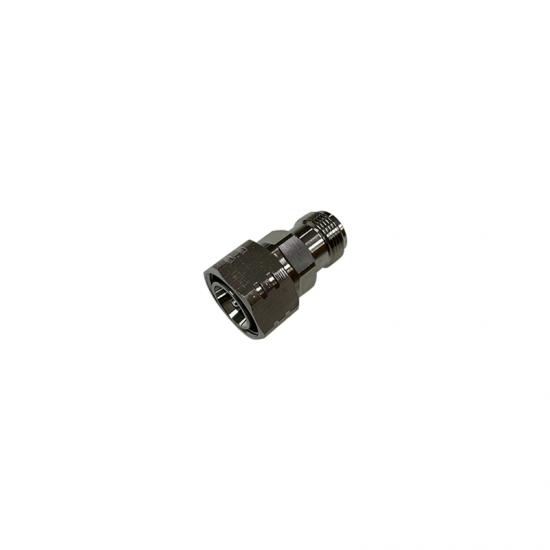
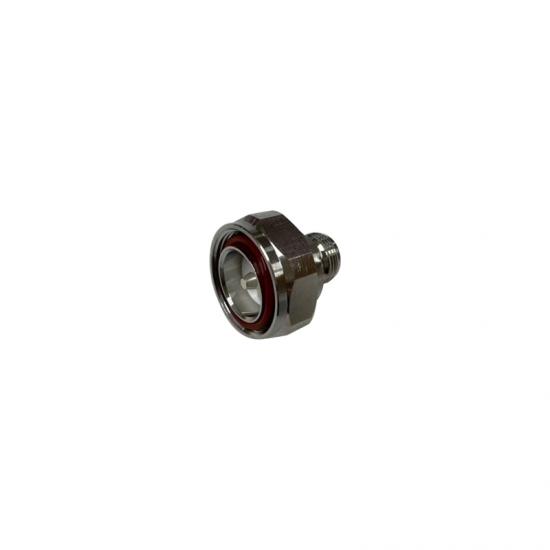
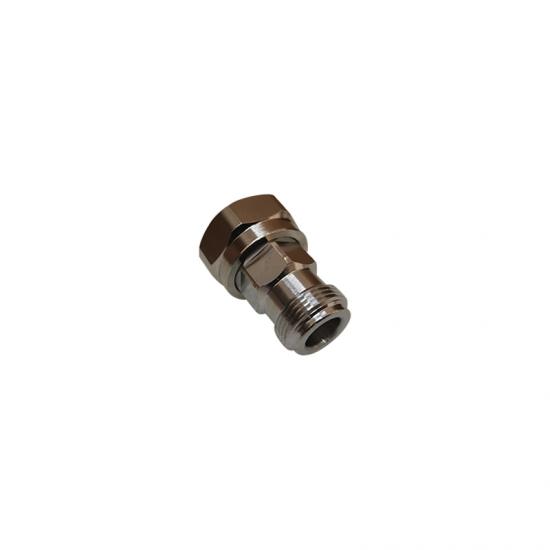
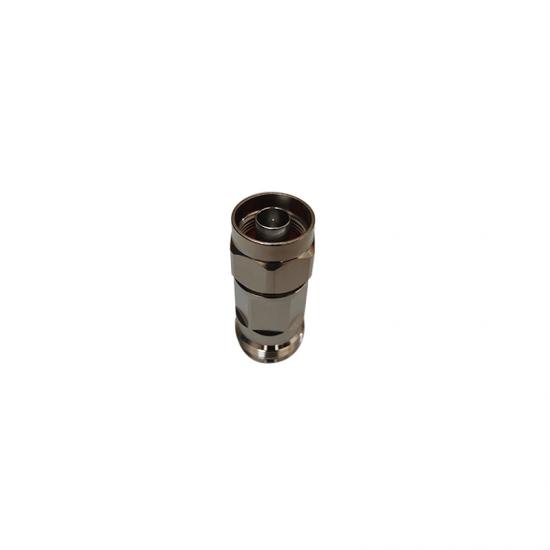
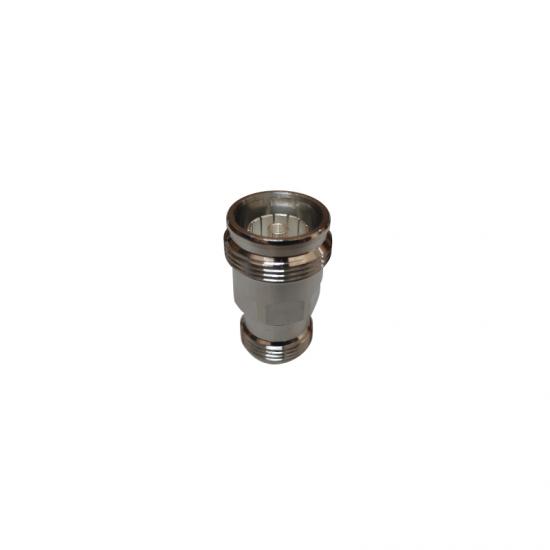
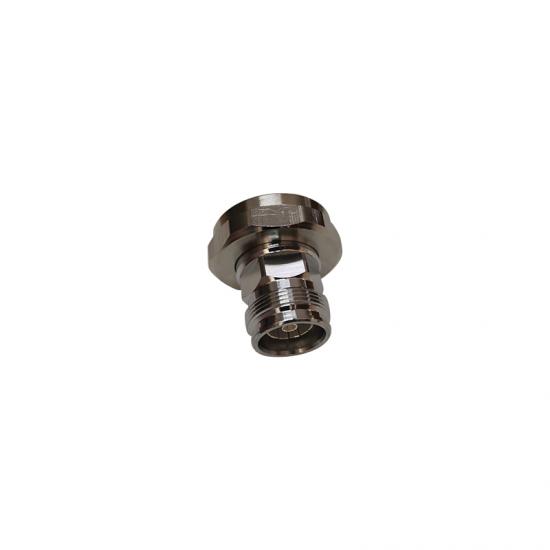
The MPRC-1/2FC-DMS is a high-performance 7/16 DIN Male RF plug designed for 1/2" flexible coaxial cables. Operating from DC to 6GHz, this connector offers exceptional electrical stability with low insertion loss (≤0.3dB) and superior impedance matching. Built to meet IEC 61169-35 standards, it features a robust brass construction and high-grade PTFE insulation, making it a reliable choice for outdoor antenna systems and high-power transmission environments under extreme temperatures.
Technical & Mechanical Specifications
| Model No. | MPRC-1/2FC-DMS | |
| Interface | According to IEC 61169-35 | |
| Electrical | Characteristic Impedance | 50 ohm |
| Frequency Range | DC-6 GHz | |
| Insertion Loss | ≤ 0.3 dB | |
| Dielectric Resistance | ≥ 5000 M ohms | |
| Contact Resistance | Center ≤ 3M ohms / Outer ≤ 2M ohms | |
| VSWR | ≤ 1.20 | |
| Temperature Range | -55 to +125 ℃ | |
| Mechanical | Durability | ≥ 500 Mating Cycles |
| Body Material / Plating | Brass / Ni or Tri-Alloy | |
| Insulator | PTFE | |
| Center Conductor | Phosphor Bronze / Ag Plating | |
| Coupling Nut | Brass / Ni Plating | |
| Cable Compatibility | 1/2" Flexible Feeder Cable | |
Frequently Asked Questions
- Q1: What are the advantages of a 6GHz frequency range for a DIN connector?
- A: Most standard DIN connectors operate up to 3GHz. Supporting up to 6GHz makes this connector suitable for high-frequency 5G sub-6GHz applications, satellite communications, and high-speed data backhaul where signal integrity at higher bands is critical.
- Q2: Why is the -55 to +125 ℃ temperature range significant?
- A: This extended temperature range ensures that the connector can operate in extreme environments, from arctic conditions to high-heat desert installations or industrial applications where equipment generates significant thermal load.
- Q3: How does low insertion loss (≤0.3dB) benefit my RF system?
- A: Low Insertion Loss means that very little signal power is dissipated as heat within the connector. This ensures that the maximum possible signal reaches the antenna, improving overall system coverage and energy efficiency.
- Q4: What is the difference between Tri-Alloy and Nickel plating for the body?
- A: While Nickel is durable, Tri-Alloy (White Bronze) is non-magnetic. Using non-magnetic plating significantly reduces Passive Intermodulation (PIM), making it the preferred choice for modern multi-carrier cellular base stations.
- Q5: Is this connector compatible with 1/2" Superflexible cables?
- A: This specific model is designed for 1/2" Flexible (Standard) feeder cables. If you are using 1/2" Superflexible (annular corrugated) cable, please ensure the internal clamping mechanism is compatible or contact us for the specific Superflex version.
Product Detail Images