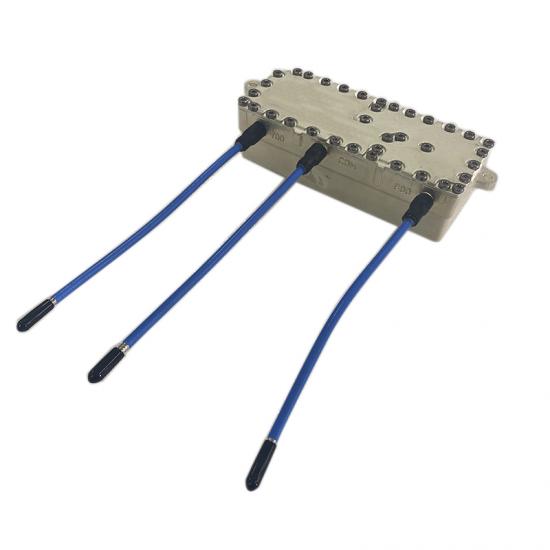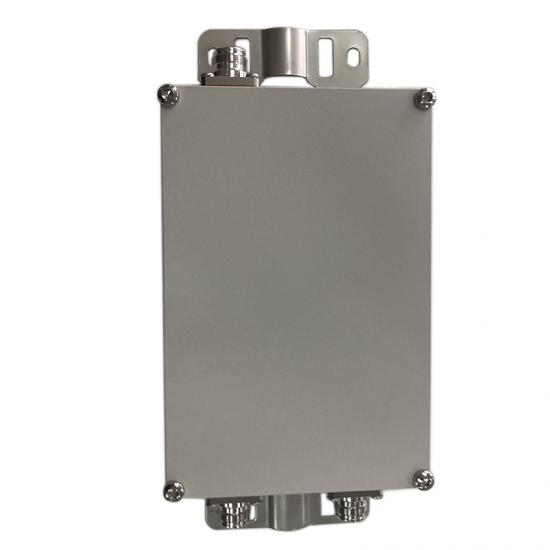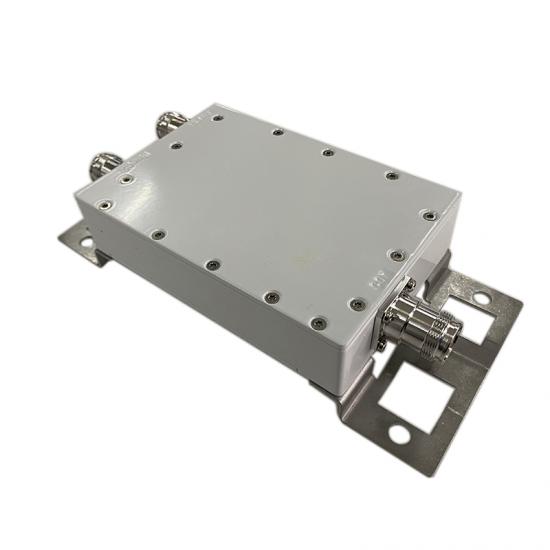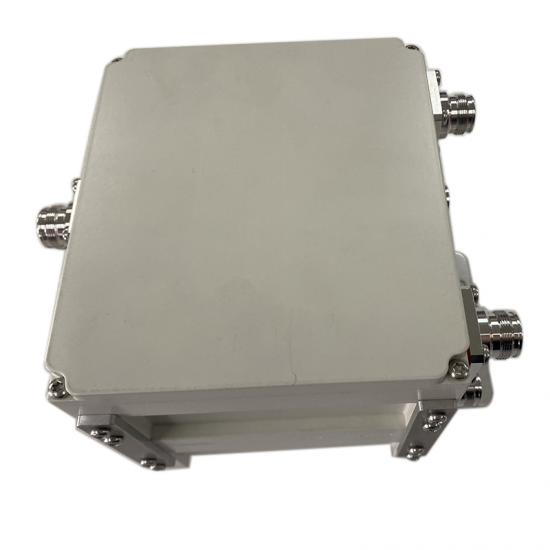


Product Overview
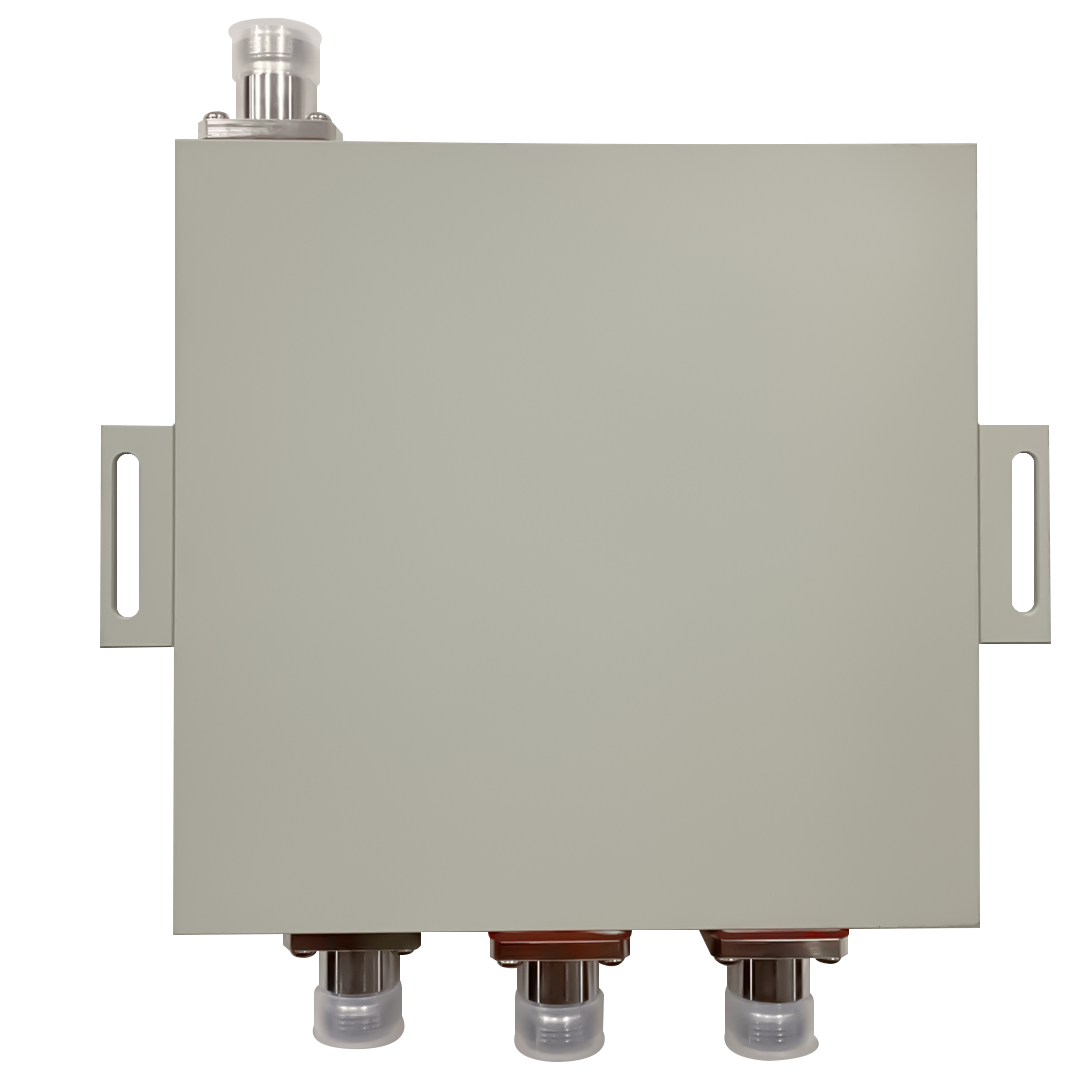
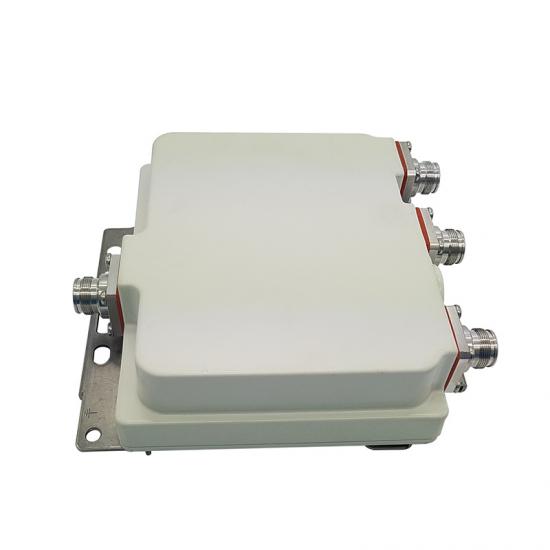
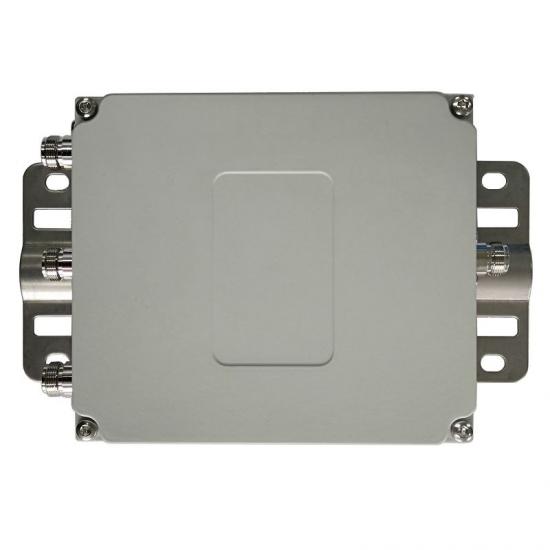
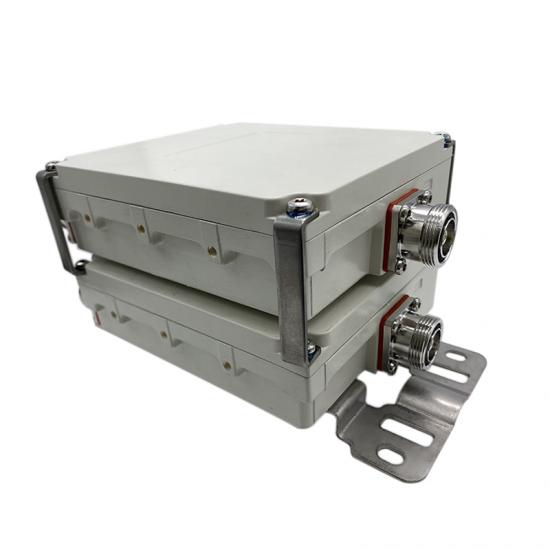
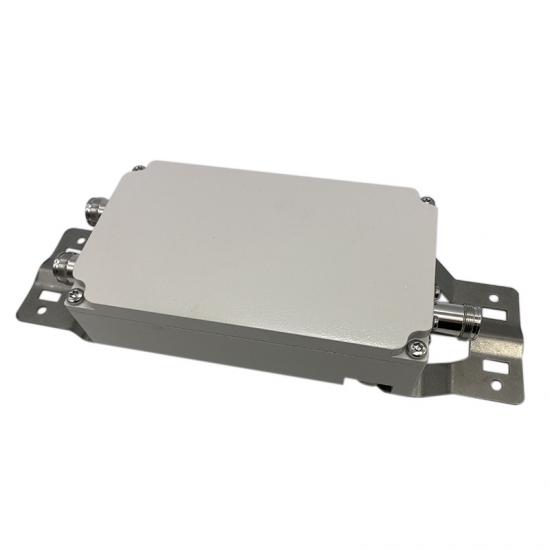
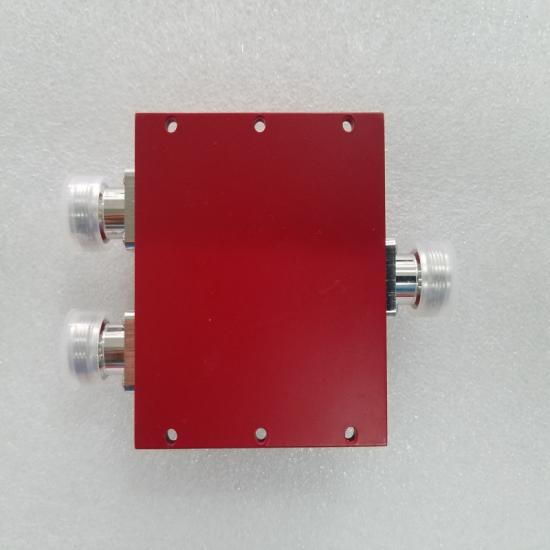
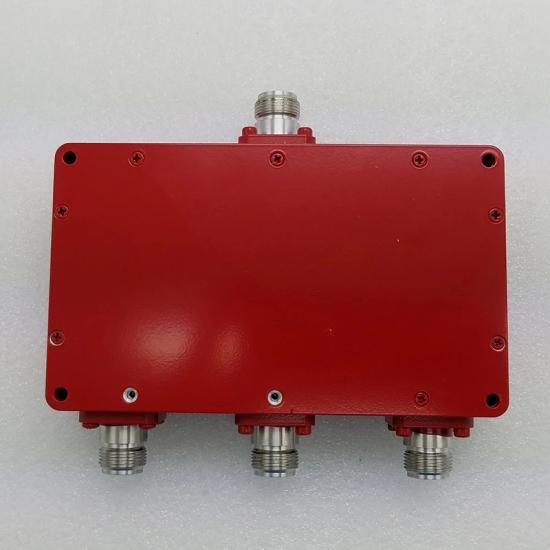
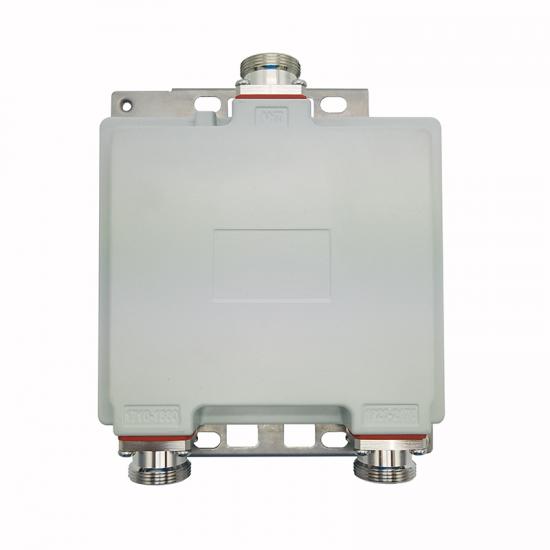
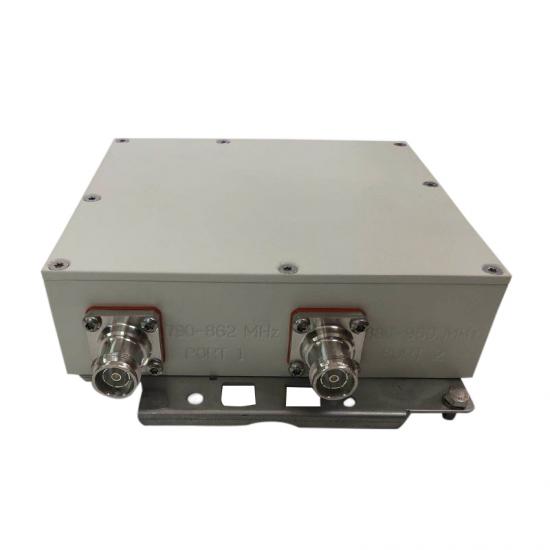
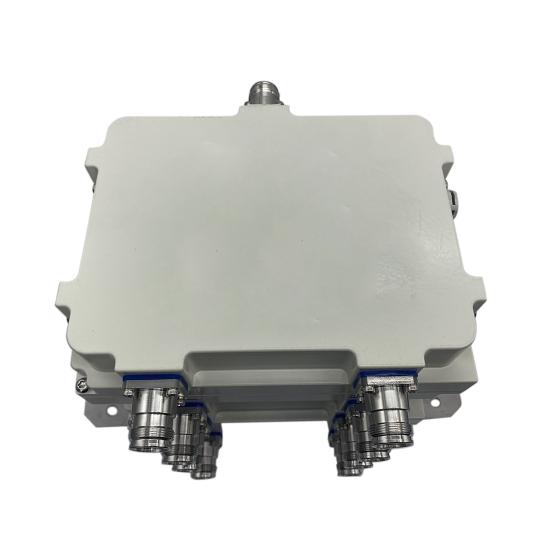
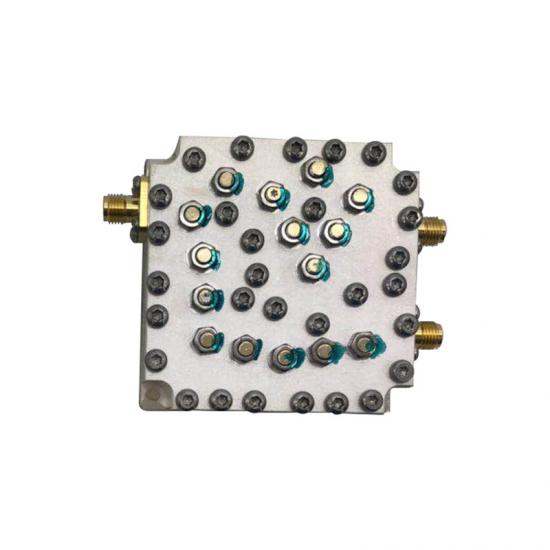
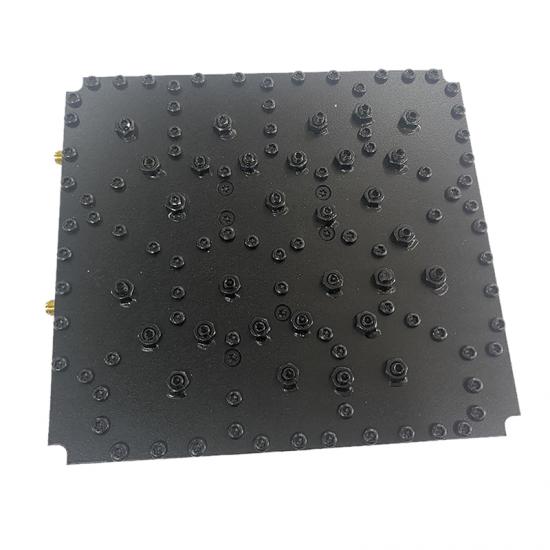
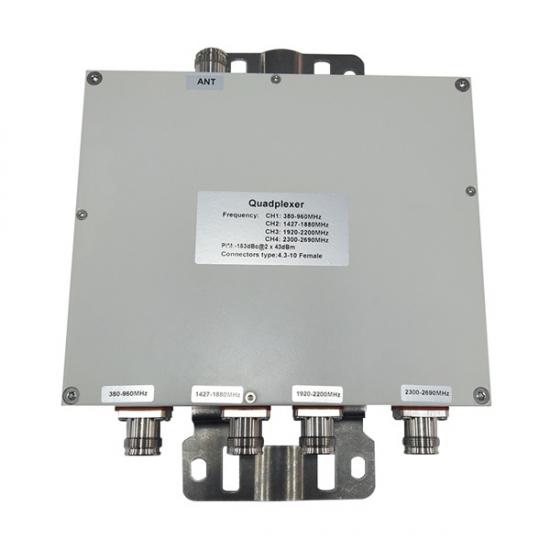
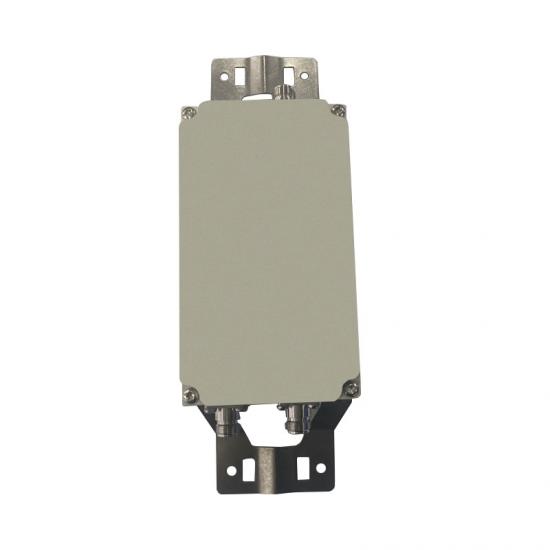
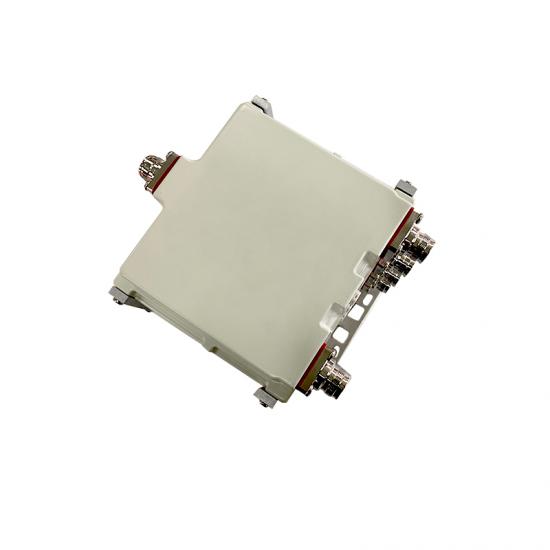
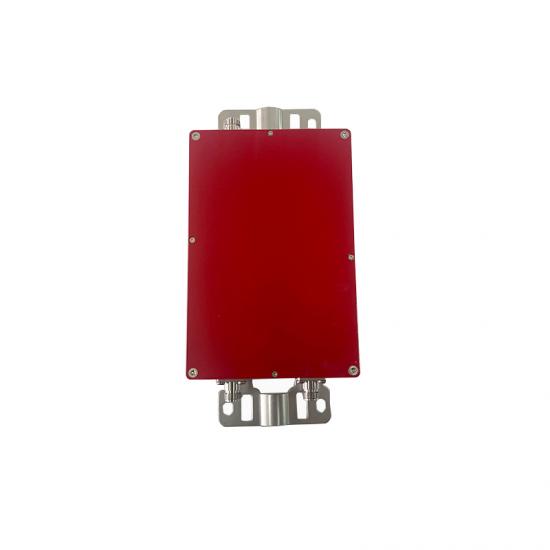
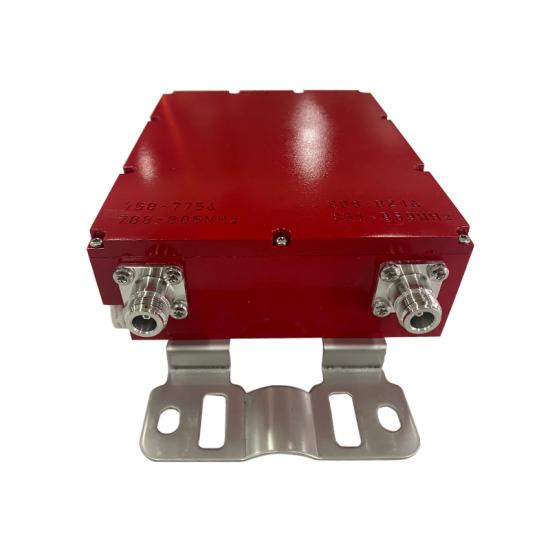
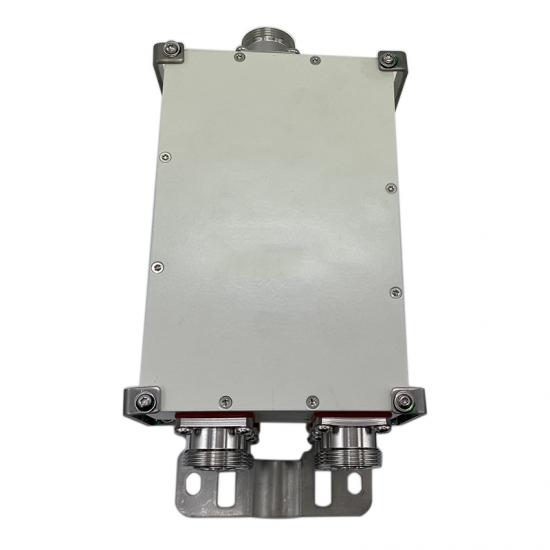
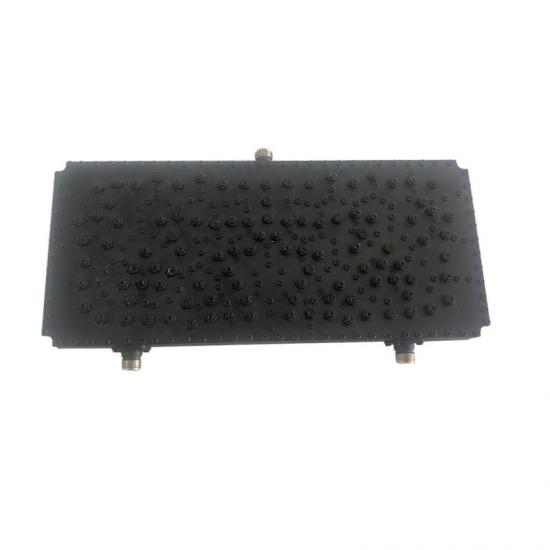
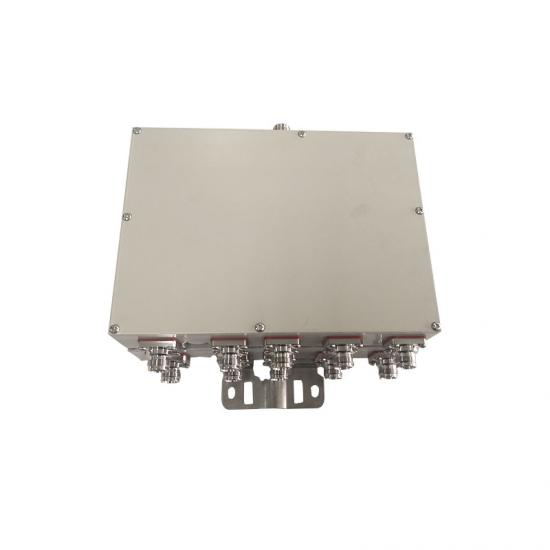
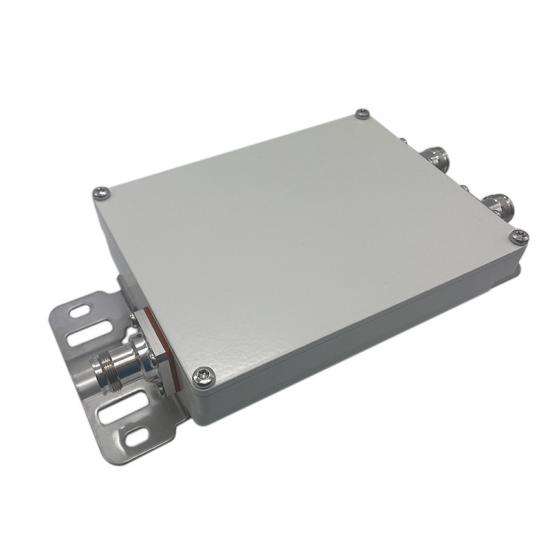
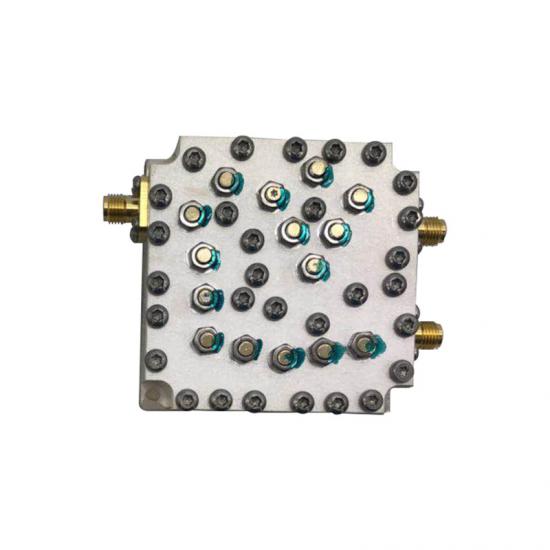
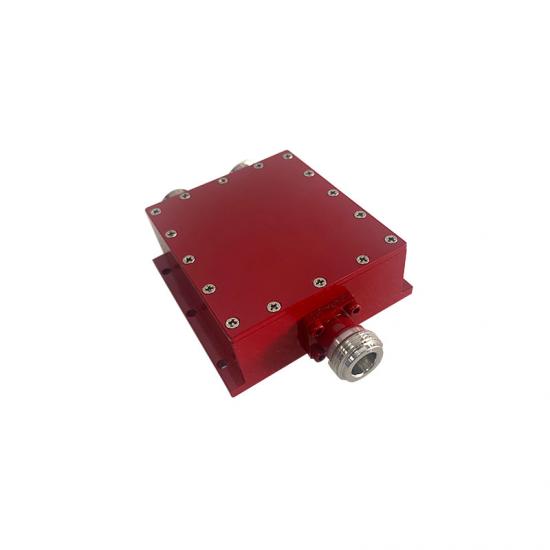
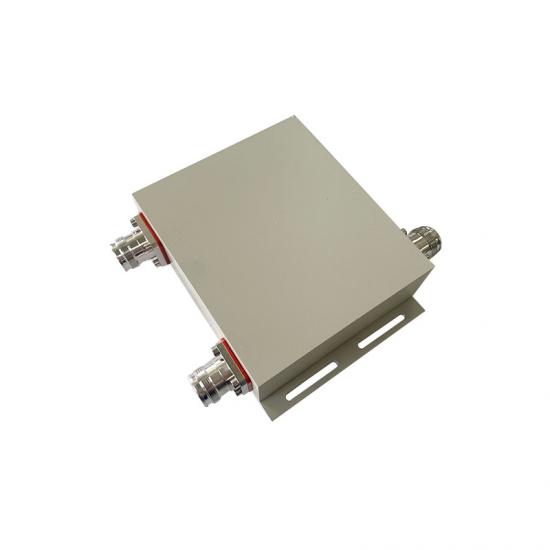
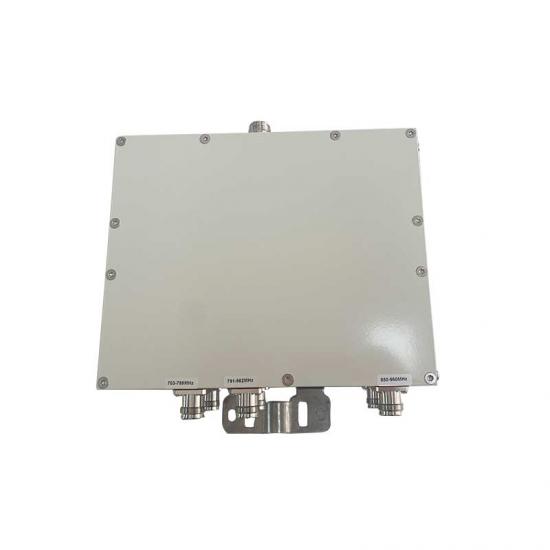
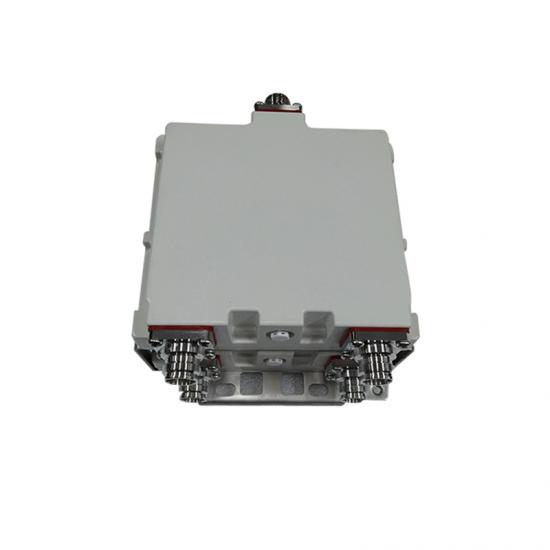
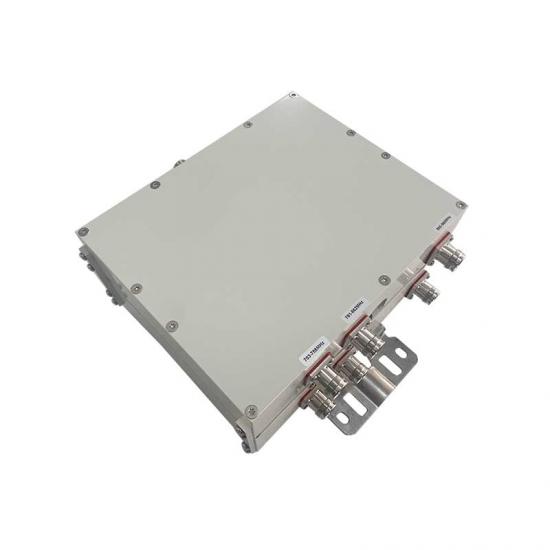
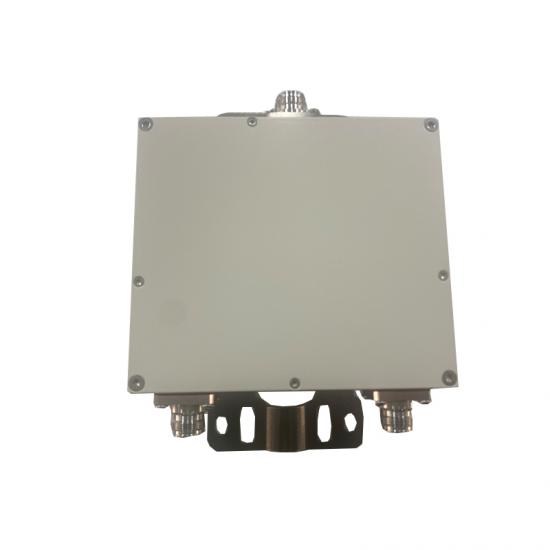
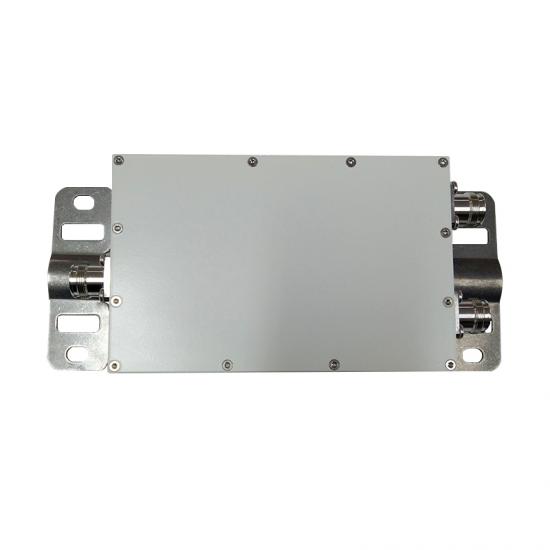
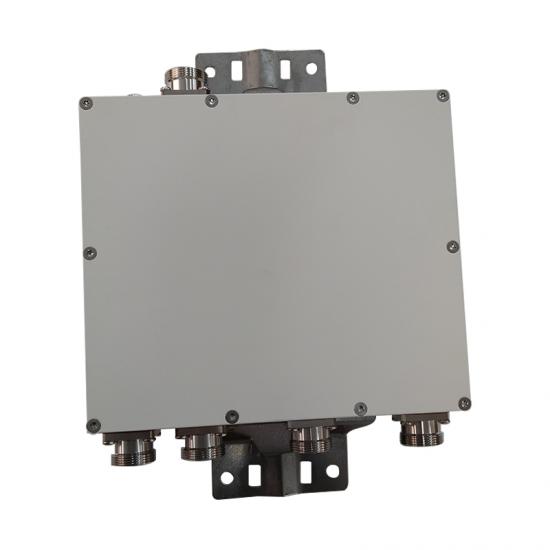
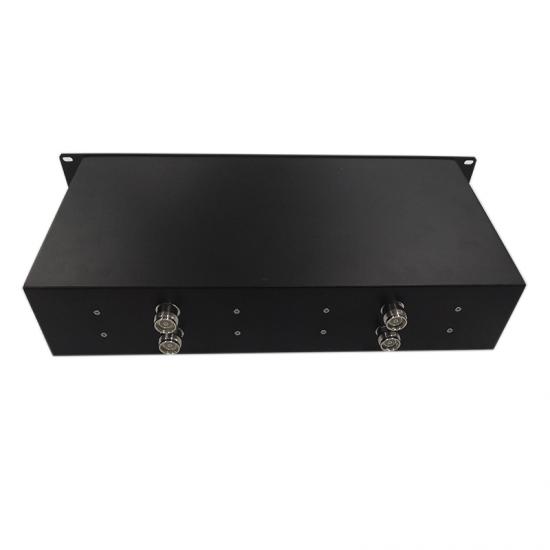
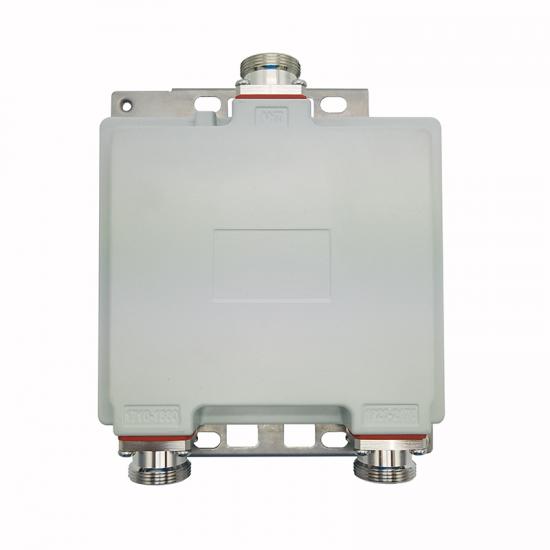
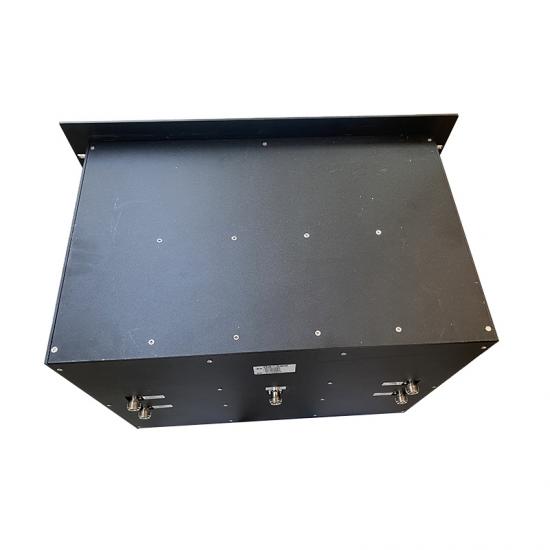
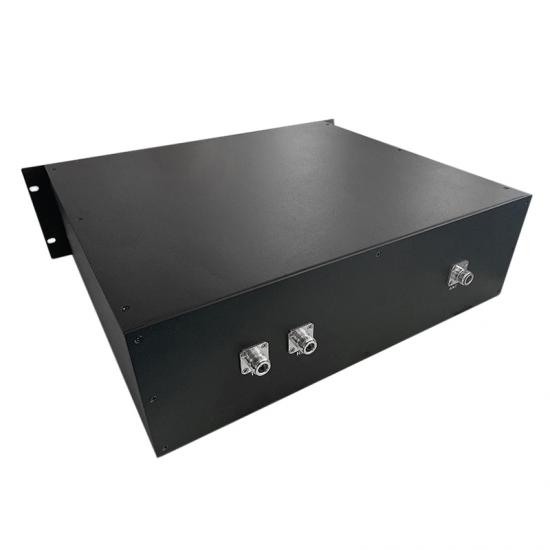
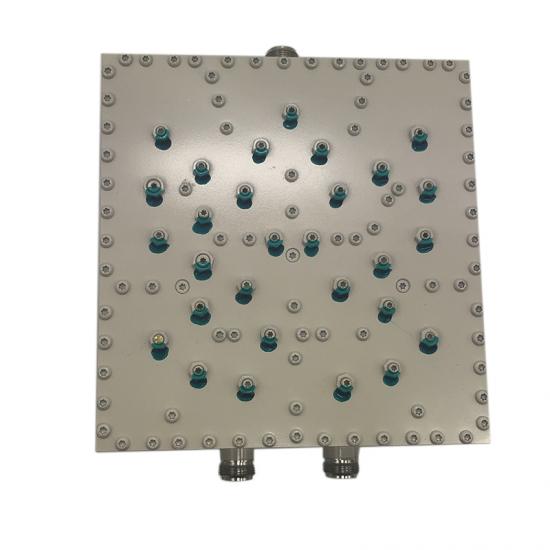
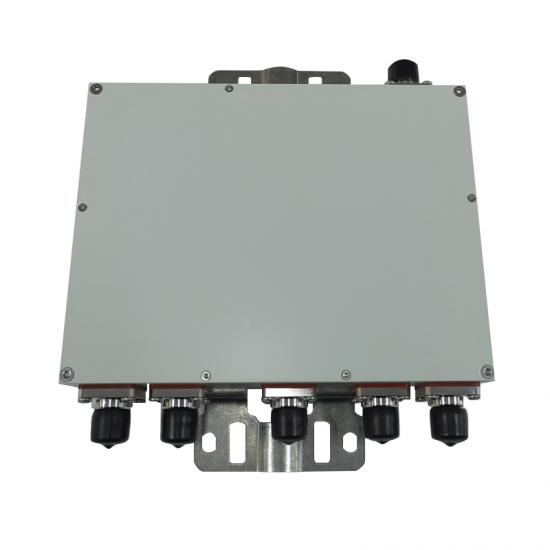
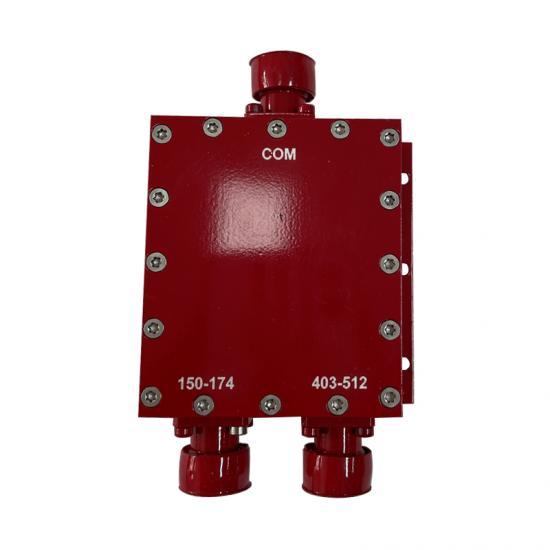
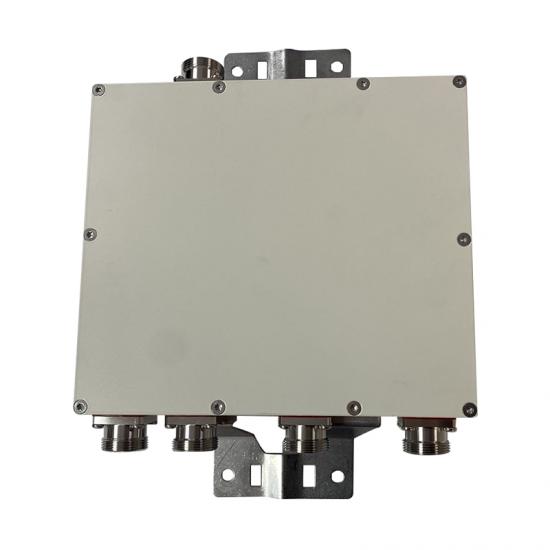
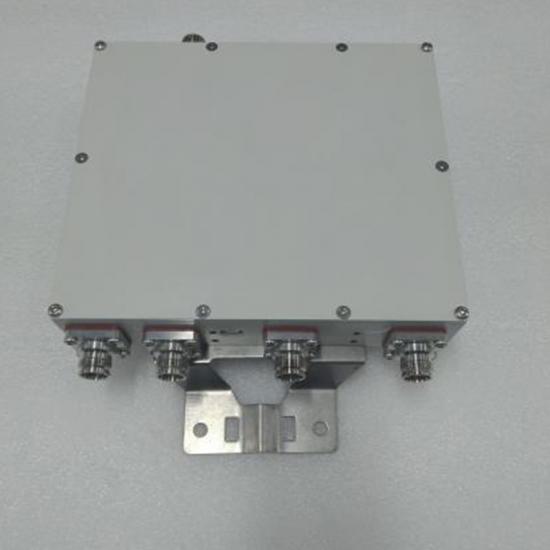
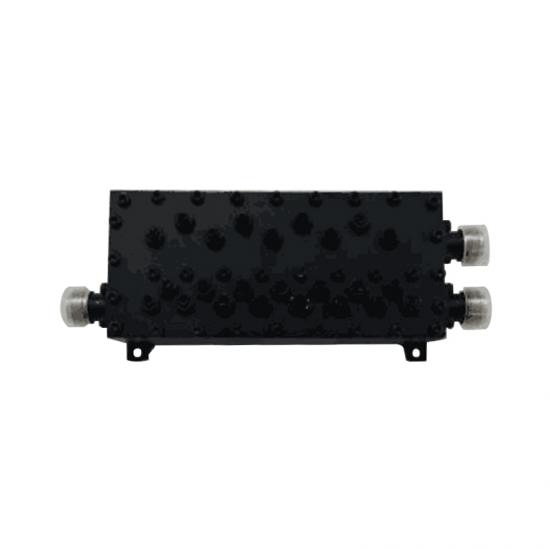
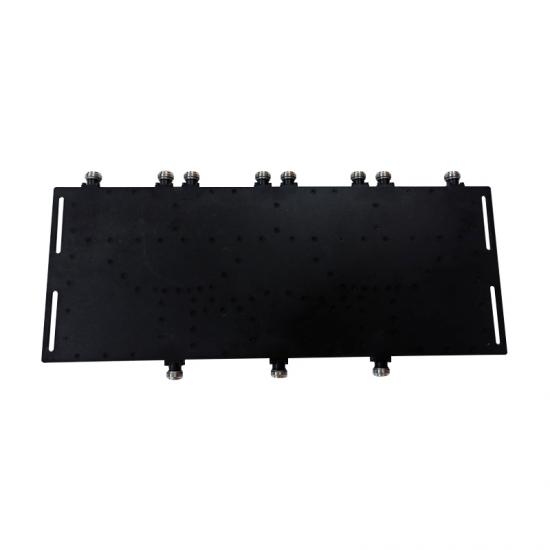
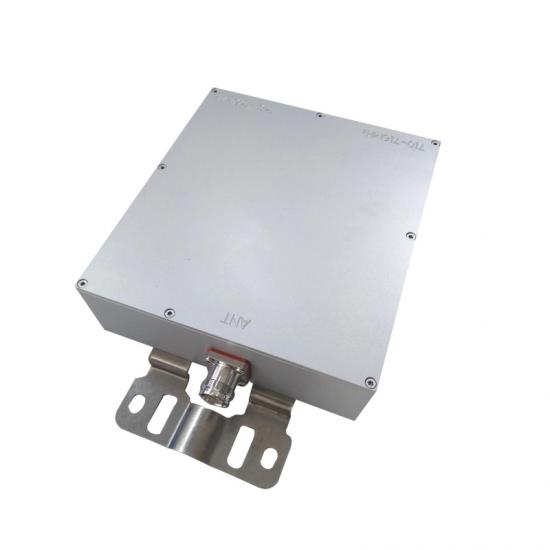
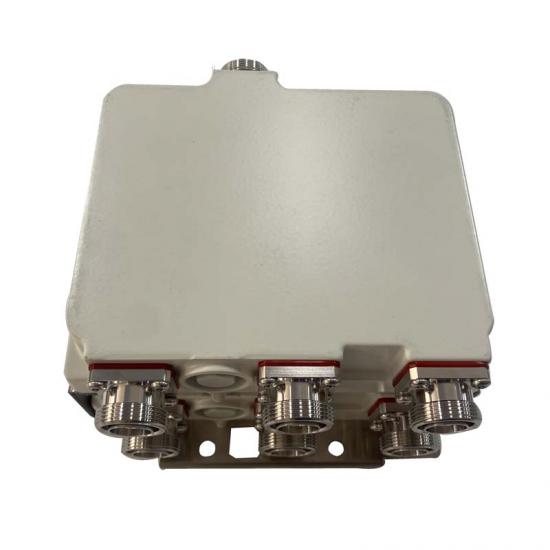
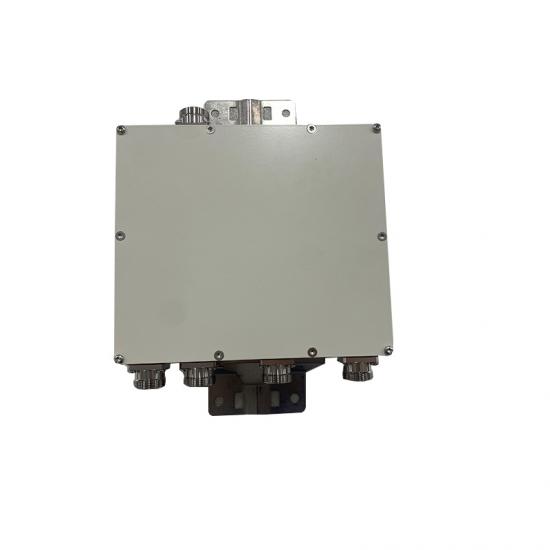
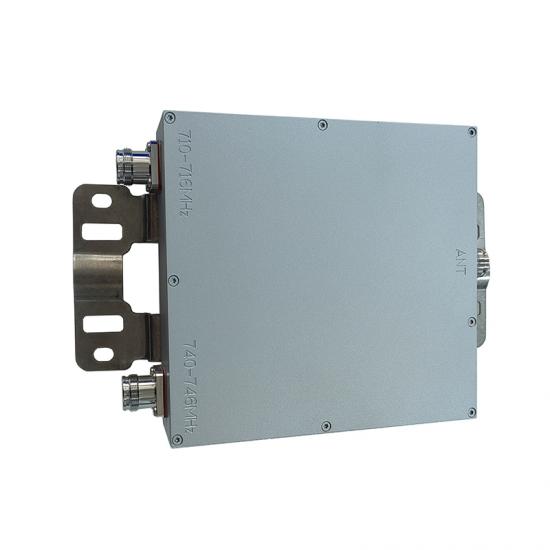
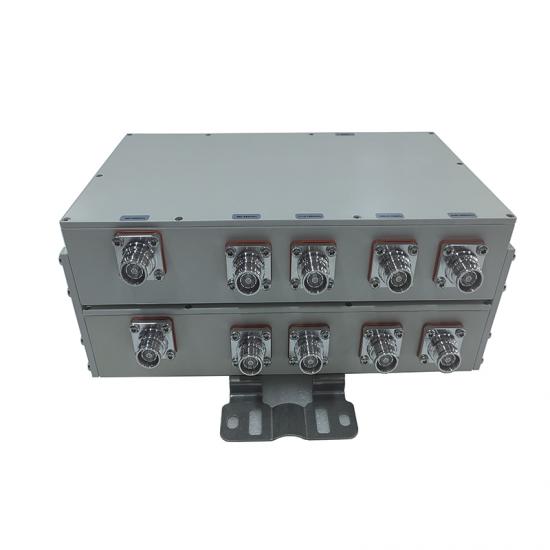
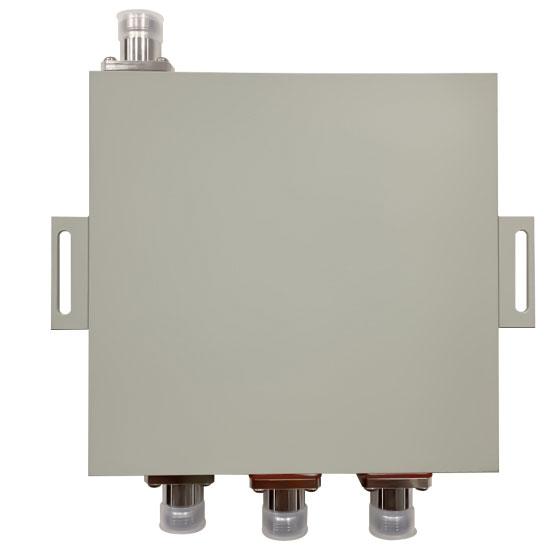
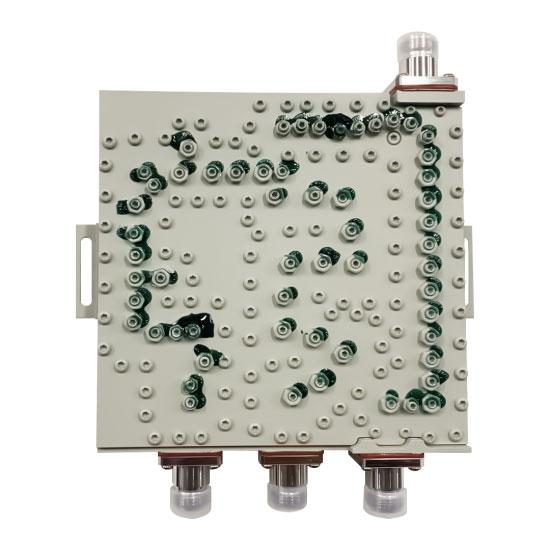
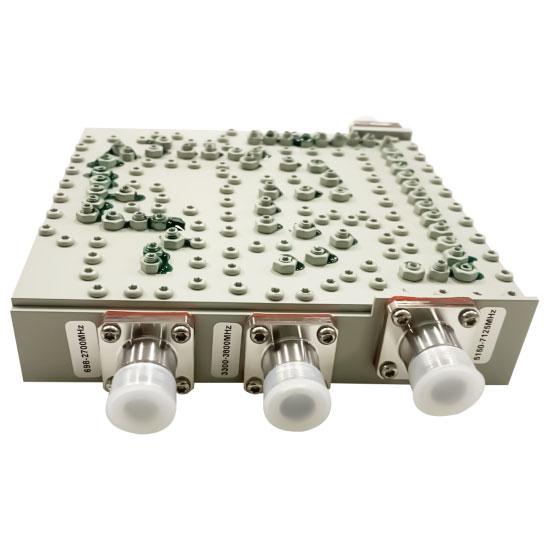
The MNL-TP-0770-NF-140 is a high-performance ultra-wideband Triplexer designed to combine or split signals across three distinct frequency ranges: 698-2700MHz (LTE/Cellular), 3300-3800MHz (5G n78), and 5150-7125MHz (Wi-Fi 6E/7 and high-band 5G). This compact, low-PIM (≤-140dBc) solution is perfect for neutral-host DAS networks, allowing multiple wireless technologies to share a single transmission line. With an impressive 80dB isolation and IP65 weatherproofing, it ensures reliable multi-service integration in both indoor and outdoor environments.
Technical & Mechanical Specifications
| Parameter Item | Specification Details |
|---|---|
| Model Number | MNL-TP-0770-NF-140 |
| Frequency Channel 1 | 698-2700 MHz |
| Frequency Channel 2 | 3300-3800 MHz |
| Frequency Channel 3 | 5150-7125 MHz |
| Insertion Loss | ≤ 0.5 dB (All Channels) |
| Isolation | ≥ 80 dB |
| VSWR | ≤ 1.30 |
| Intermodulation (3rd PIM) | ≤ -140 dBc @ 2 x 43 dBm |
| Average Input Power | 200 Watts |
| Connector Type | N-Female |
| Environmental Rating | Indoor/Outdoor (IP65) |
| Temp(deg) | -20~+65 |
Frequently Asked Questions
- Q1: What is the primary advantage of using a Triplexer in a DAS network?
- A: A Triplexer allows three different frequency bands to be combined onto a single coaxial cable. This drastically reduces cabling costs and installation time while enabling the co-existence of LTE, 5G, and high-frequency Wi-Fi signals in a single system.
- Q2: Why is 80dB isolation important for this combiner?
- A: High Isolation (≥ 80dB) ensures that signals from one frequency channel do not leak into another. This prevents sensitive receivers from being desensitized by strong transmitters in adjacent bands, maintaining optimal network performance across all services.
- Q3: Does this Triplexer support the latest Wi-Fi 6E and Wi-Fi 7 bands?
- A: Yes. The third channel covers up to 7125MHz, which specifically encompasses the 6GHz spectrum used by Wi-Fi 6E and Wi-Fi 7, as well as future ultra-high-band cellular deployments.
- Q4: How does the Low PIM (-140dBc) rating affect signal quality?
- A: A Low PIM rating ensures that the passive components do not generate unwanted noise when multiple high-power signals are present. This is essential for preventing data speed drops and maintaining high call quality in high-capacity 5G networks.
- Q5: Can this device be installed outdoors in harsh weather?
- A: Absolutely. It is designed with an IP65 environmental rating and a wide operating temperature range (-20°C to +65°C), making it suitable for rooftops, utility poles, and other outdoor infrastructure.
Picture: