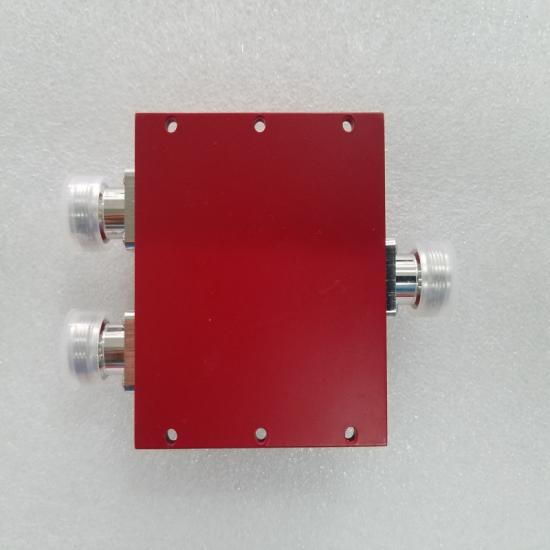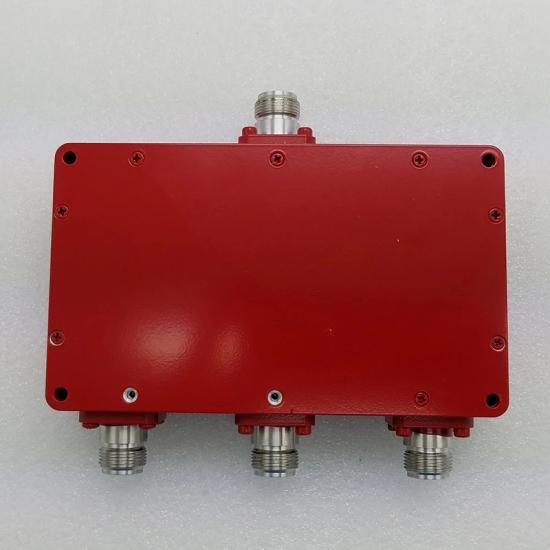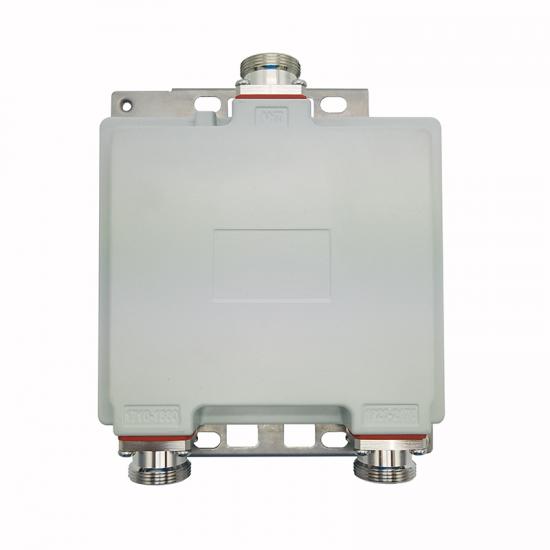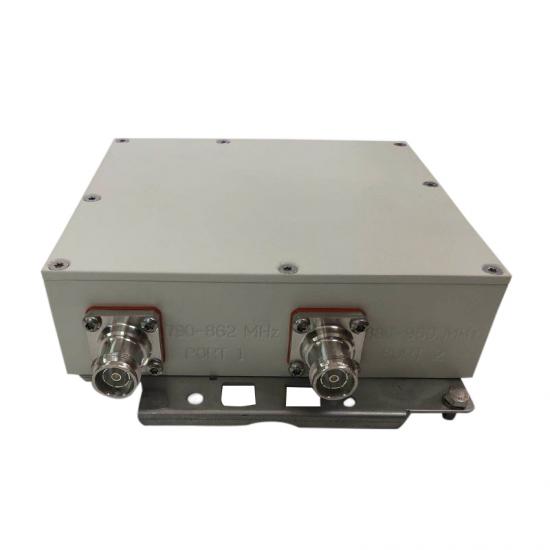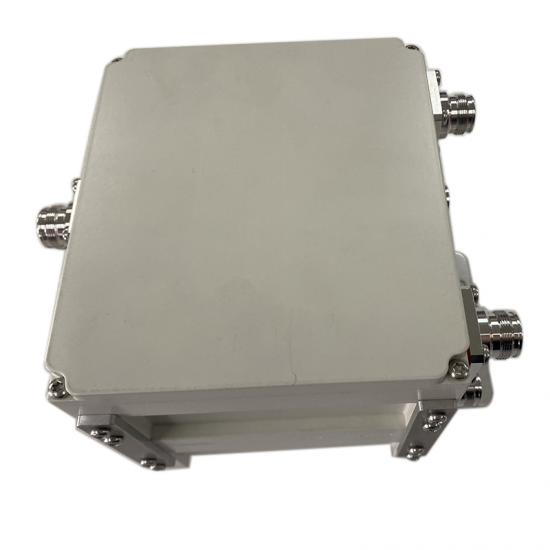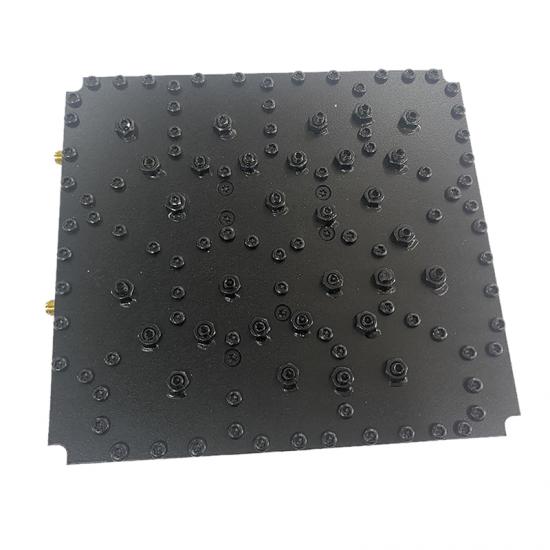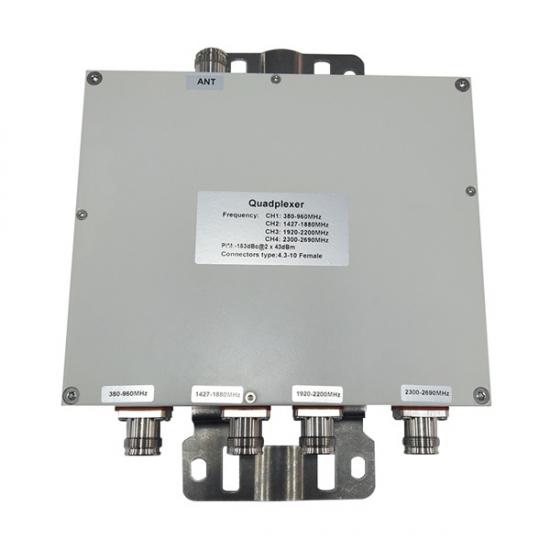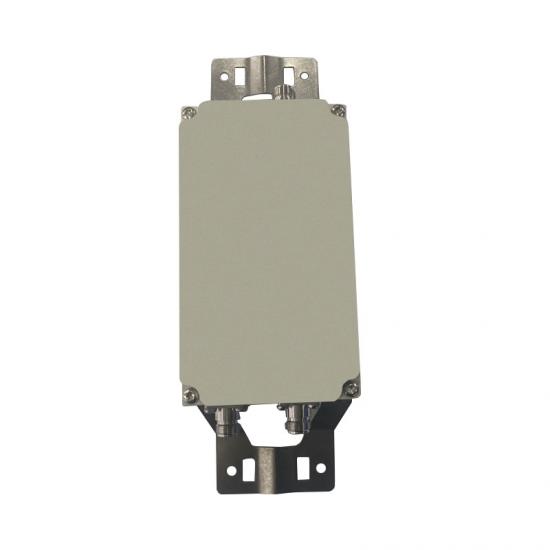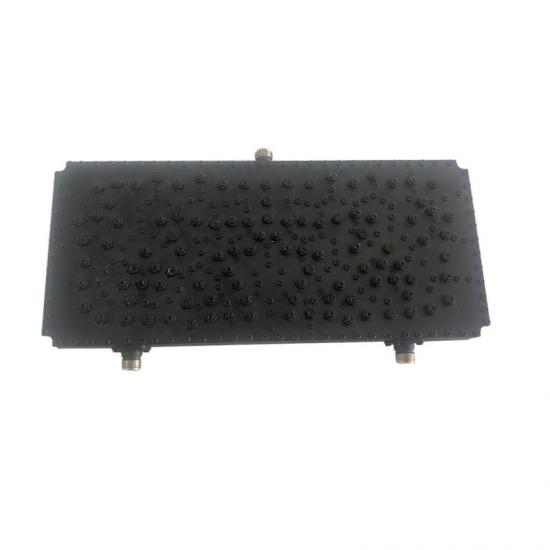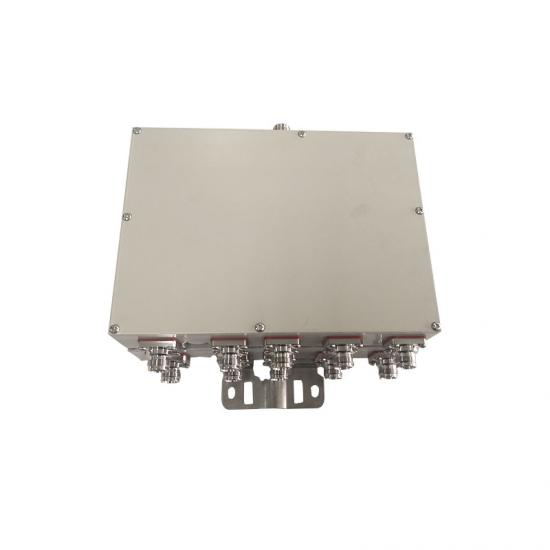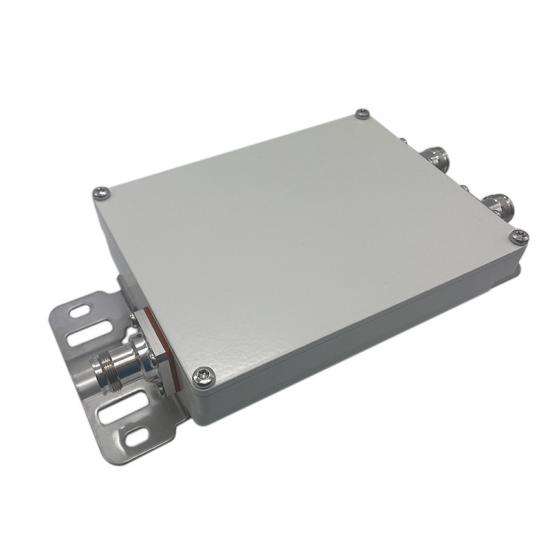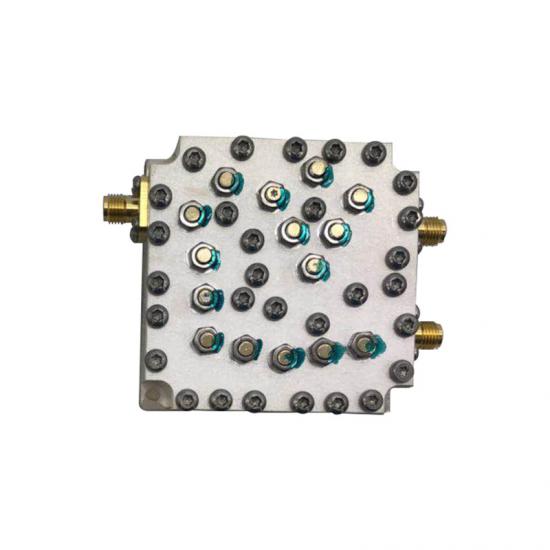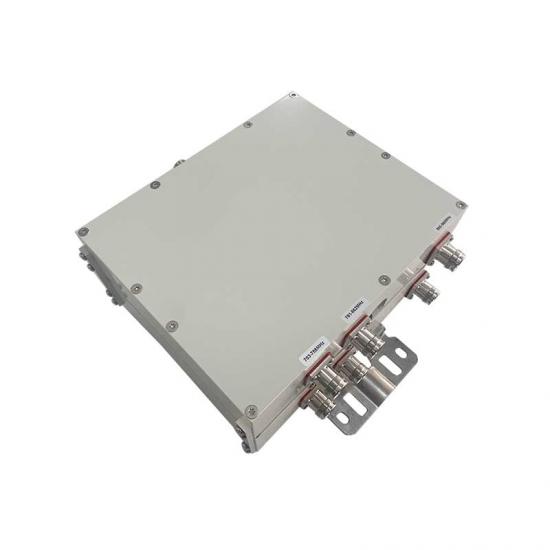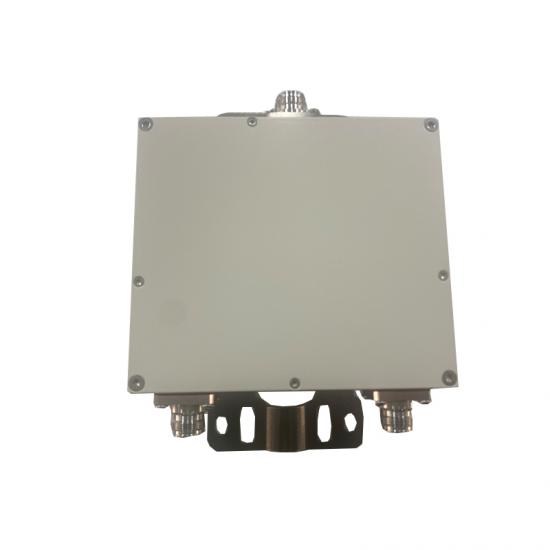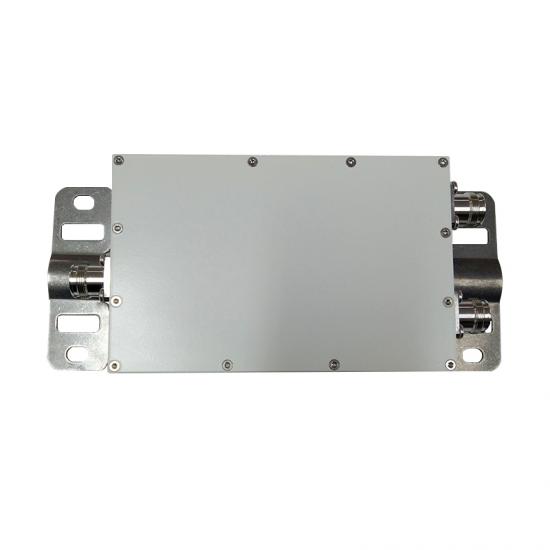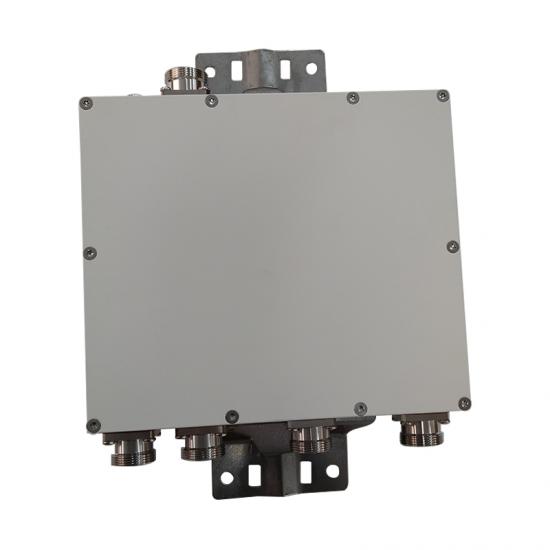


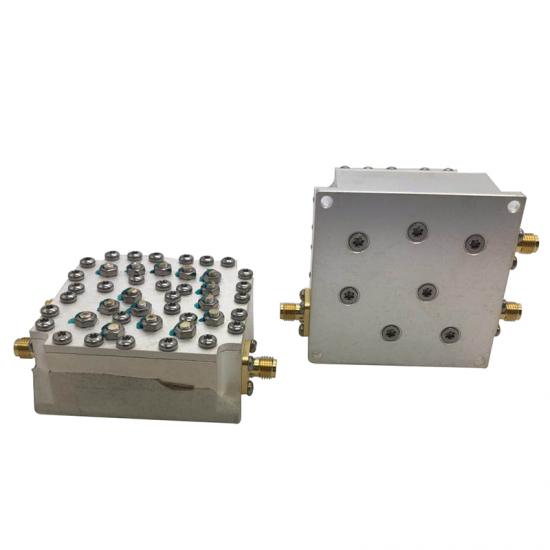
Product Description
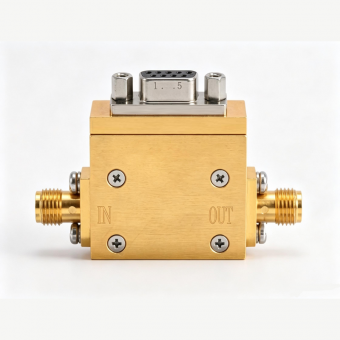
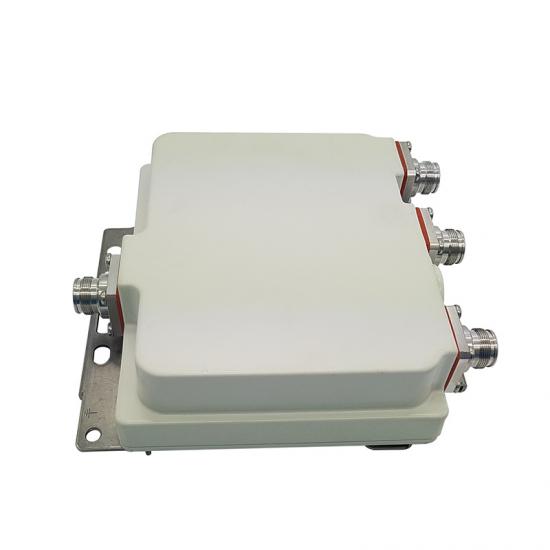
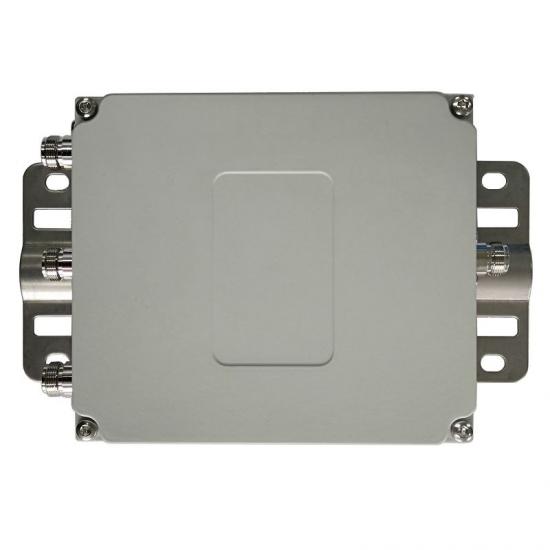
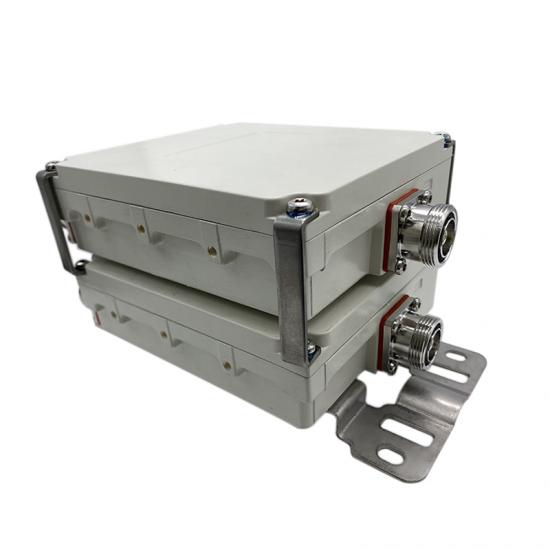
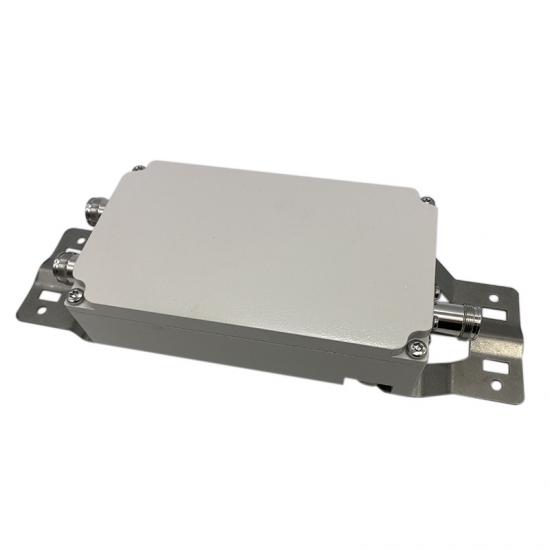
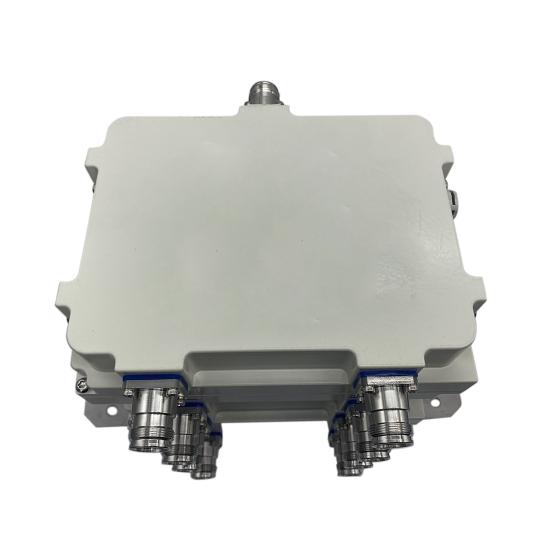
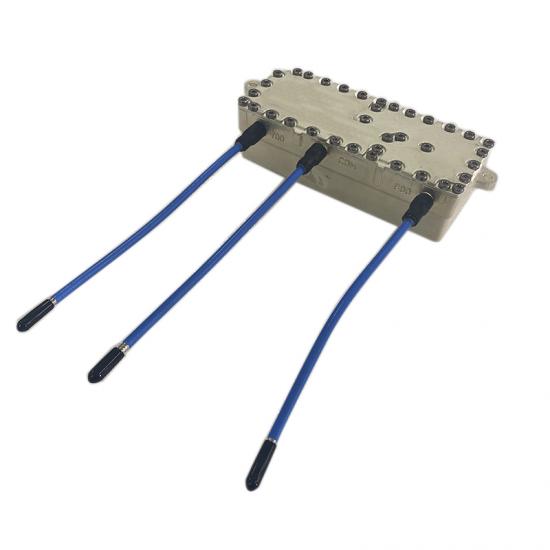
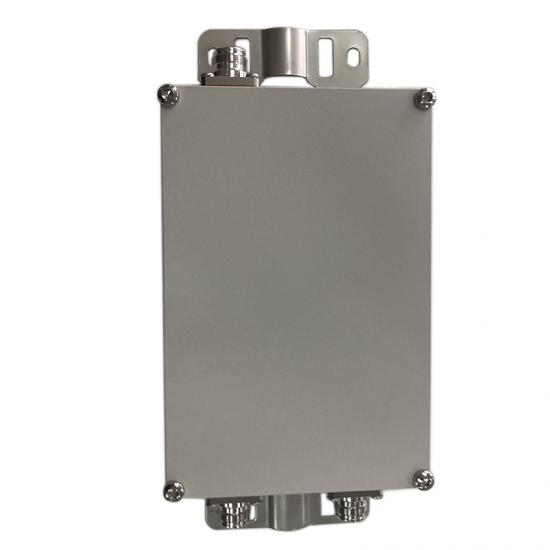
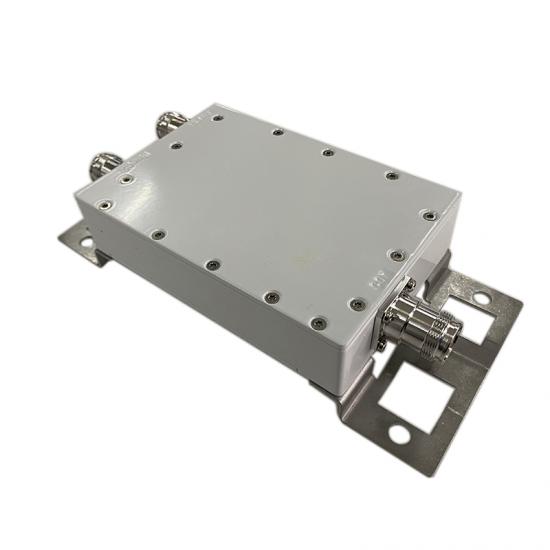
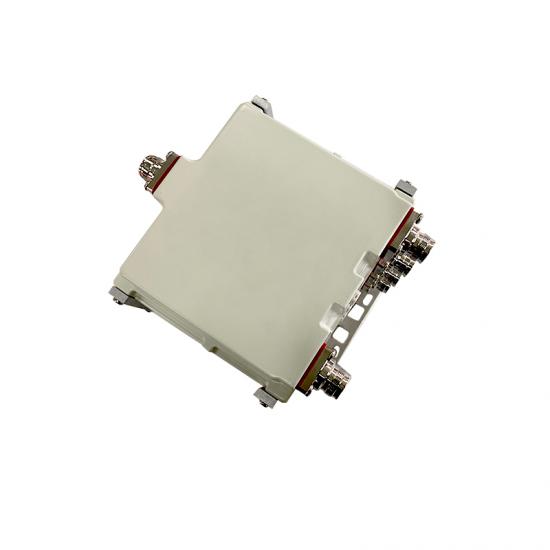
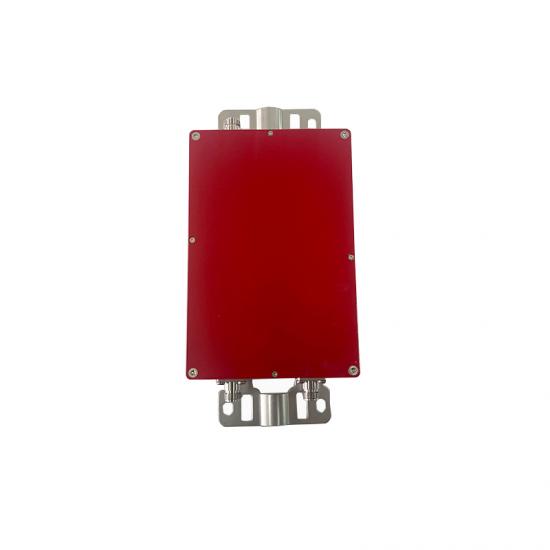
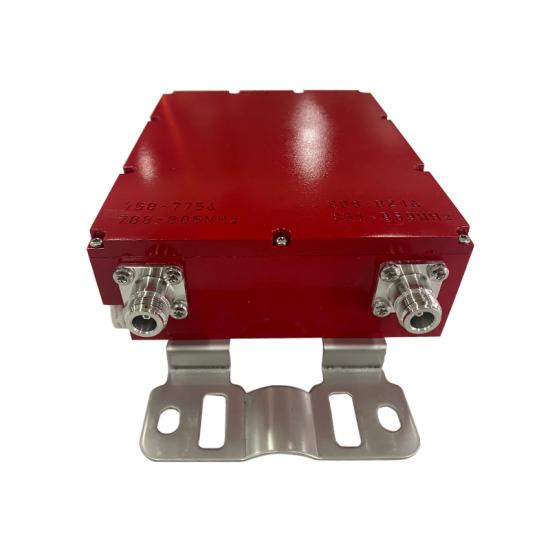
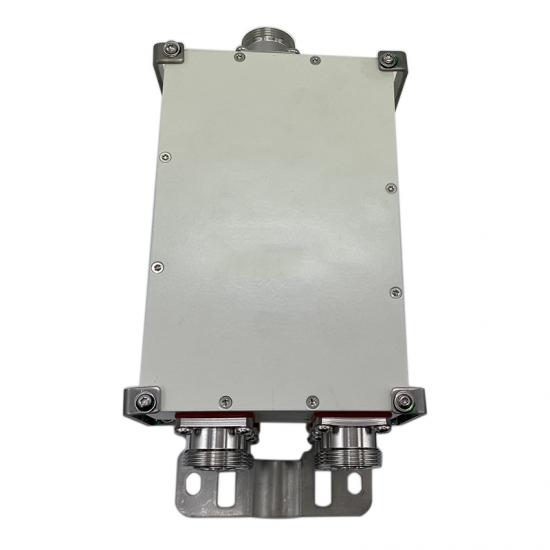
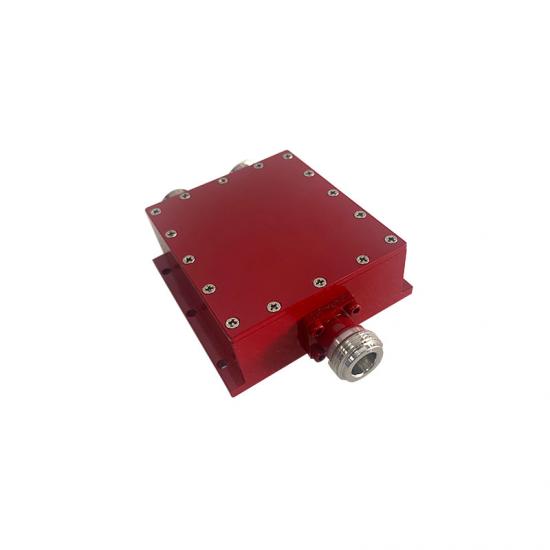
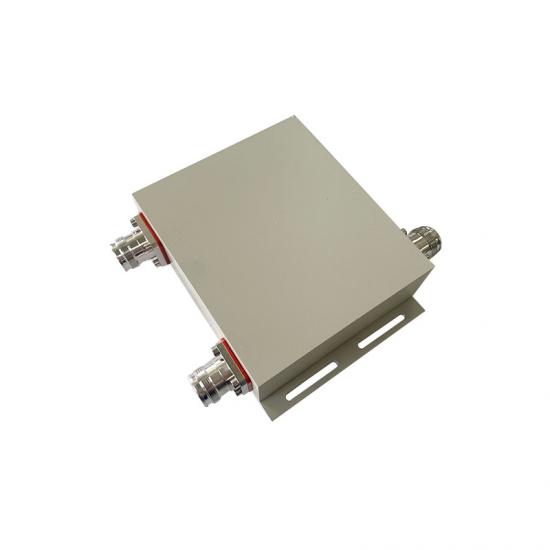
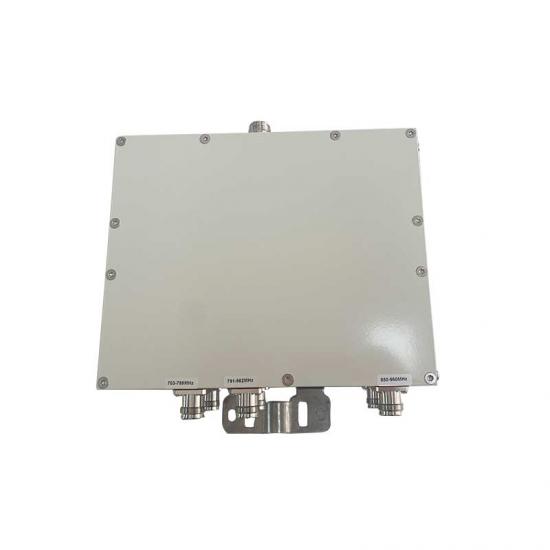
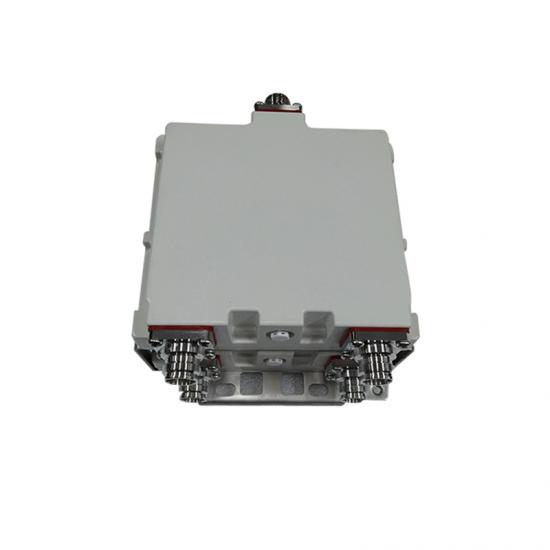
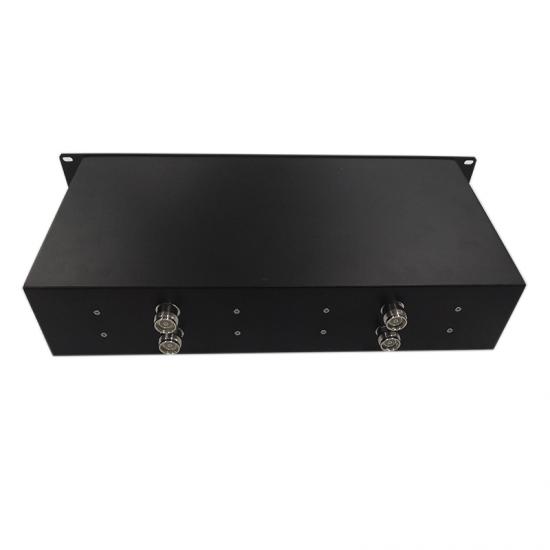
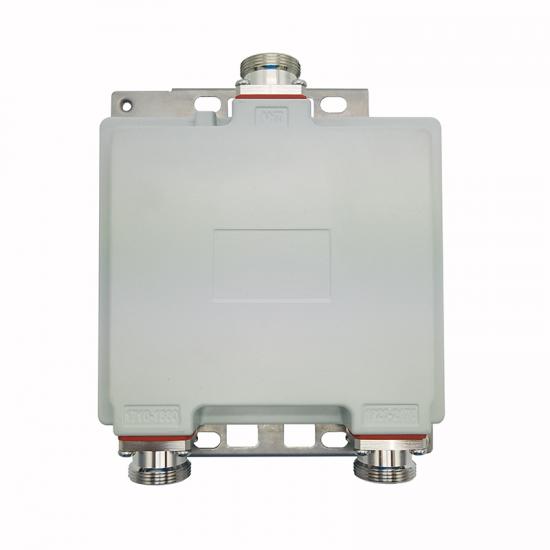
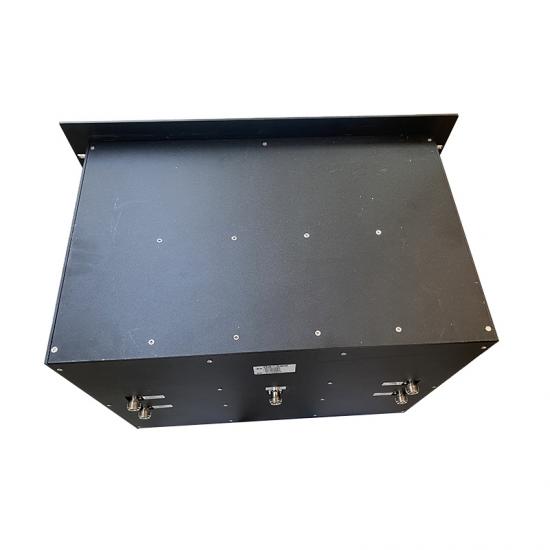
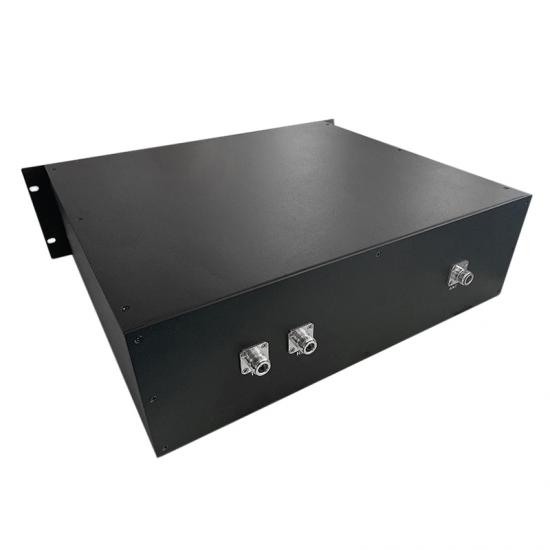
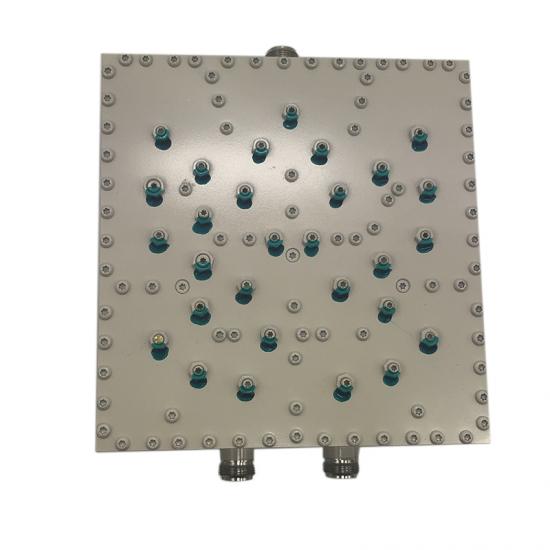
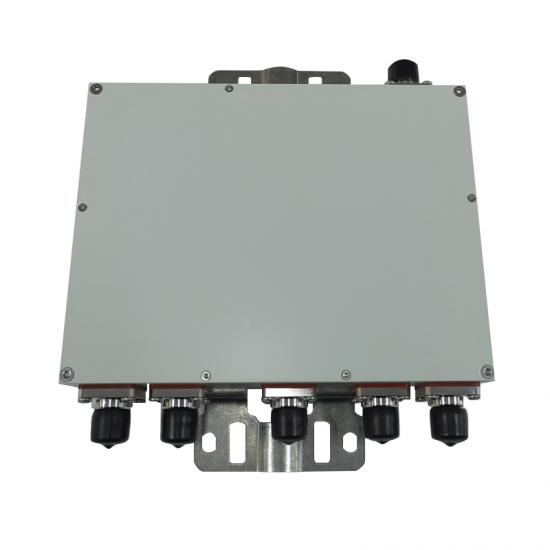
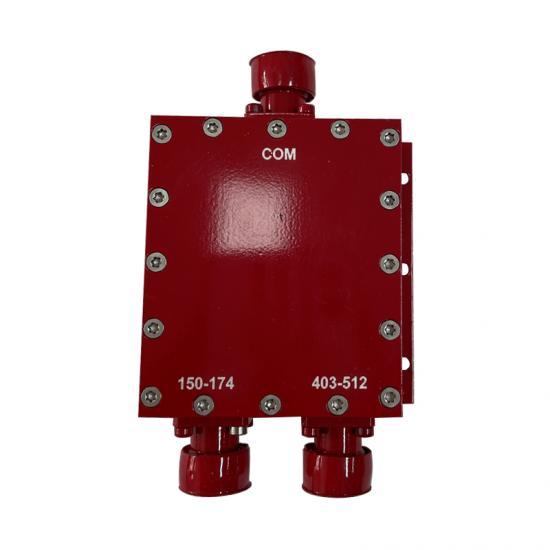
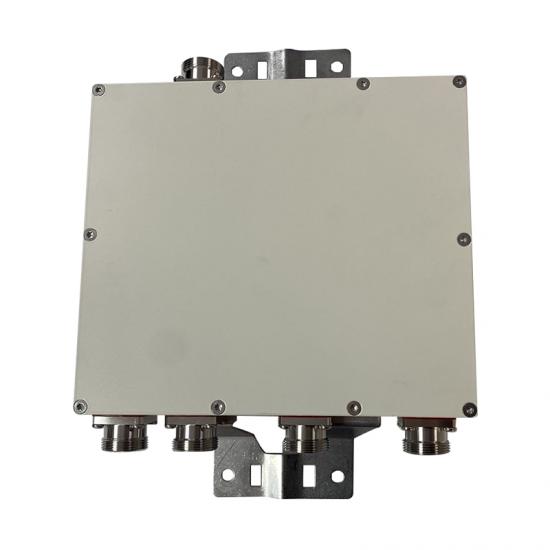
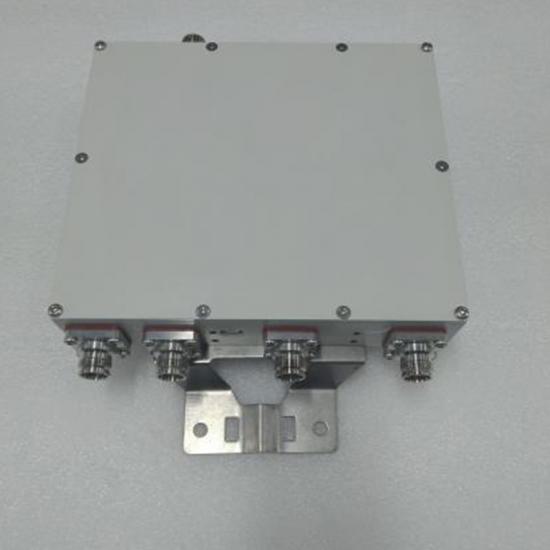
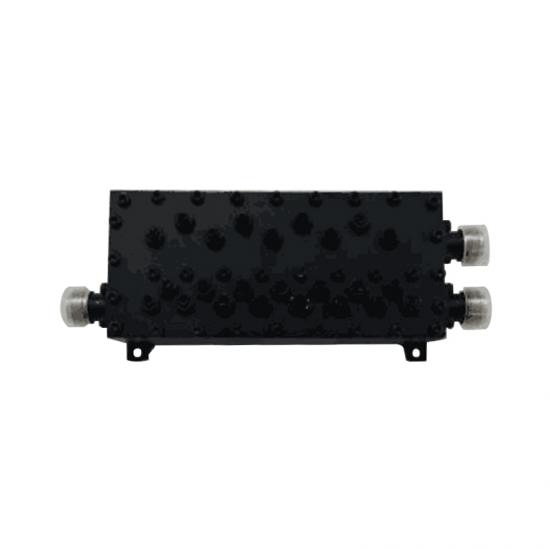
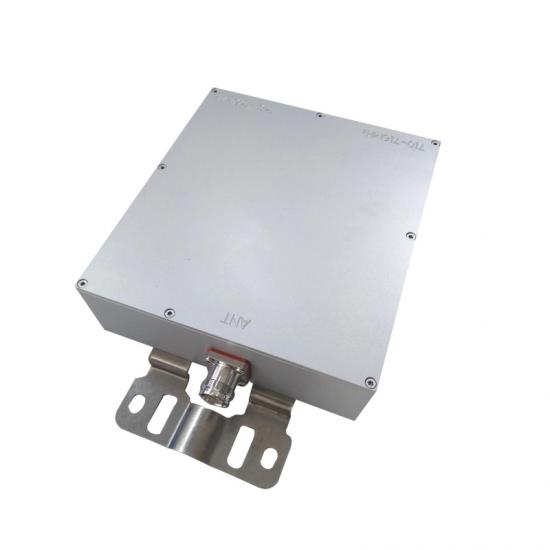
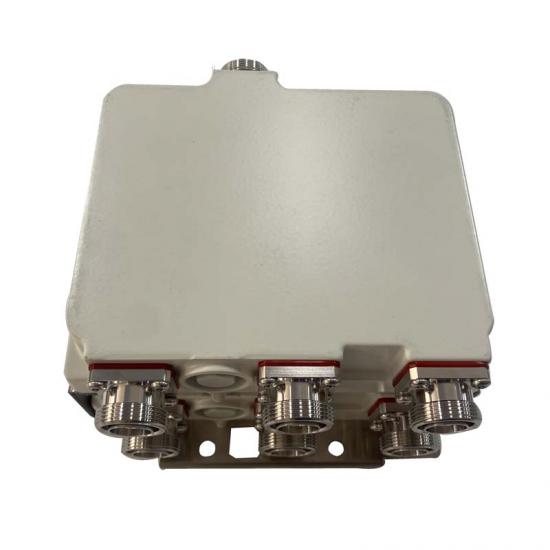
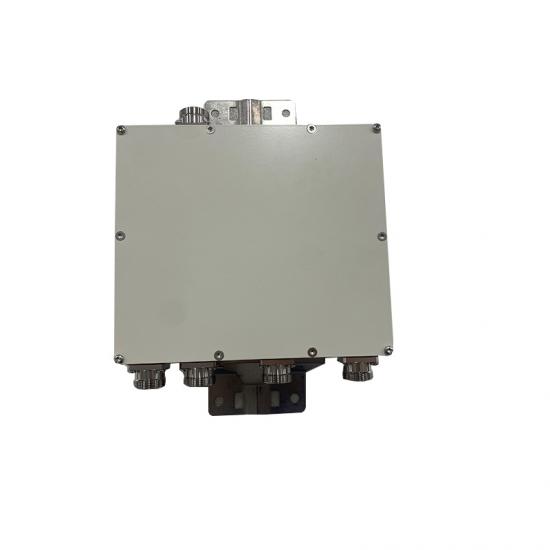
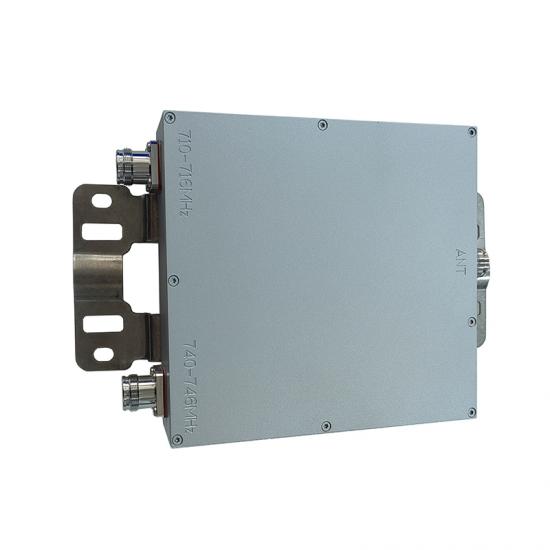
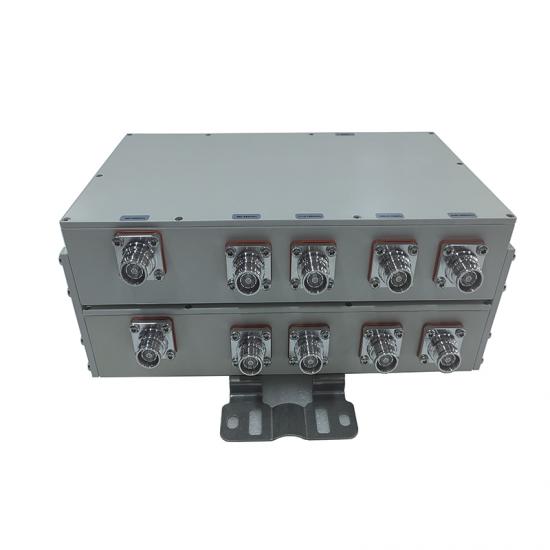
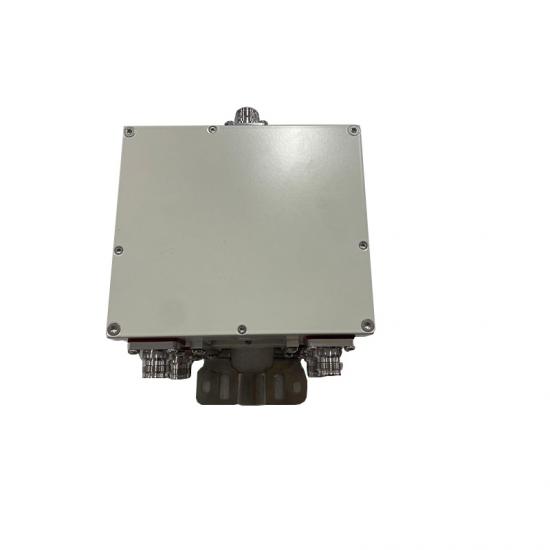
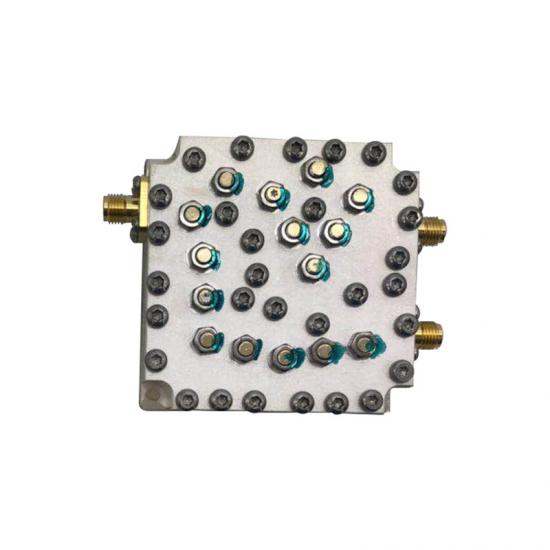
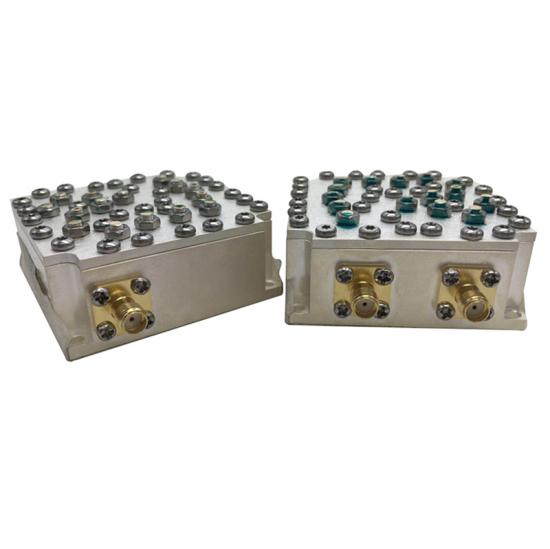
This high-performance RF component is designed with a compact and low weight structure to facilitate simple installation in dense network environments. Operating across dual channels (1710-2200MHz), it offers high reliability and superior electrical performance, including a 50dB minimum isolation. Its robust mechanical build, featuring Gold Plated Brass contacts, ensures long-term stability for critical telecommunication applications.
Technical & Mechanical Specifications
| Electrical Parameters | CH1 Specification | CH2 Specification |
| Frequency Range | 1710 to 1780 MHz | 2110 to 2200 MHz |
| Return Loss | ≥ 18 dB | |
| Insertion Loss | ≤ 0.5 dB | |
| Isolation | 50 dB minimum | |
| Power Handling | 50 W | |
| Impedance (Nominal) | 50 Ω | |
| Environmental & Mechanical | Values | |
| Operating Temp Range | -20°C to +60°C | |
| Storage Temp Range | -30°C to +85°C | |
| Relative Humidity | 5% - 95% | |
| Connectors Type | SMA-F (Phosphor Bronze Inner / Gold Plated Brass Outer) | |
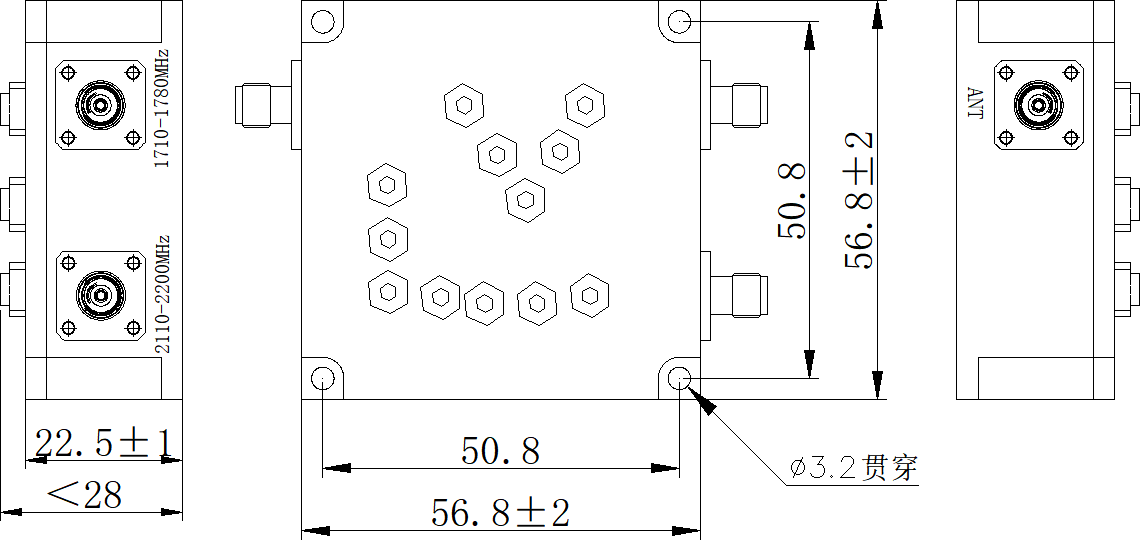
| Outer Dimension | 56.8 * 56.8 * 22.5 mm | |
| Surface Finish | Aluminum natural color | |
Frequently Asked Questions
- Q1: How does the compact design benefit my system integration?
- The compact and low weight profile of this device allows for easy mounting in tight spaces within base stations or indoor cabinets. It minimizes the physical load on mounting brackets while ensuring simple installation for field technicians.
- Q2: What ensures the electrical stability of the connectors?
- We use high-quality materials for the SMA-F connectors, specifically Phosphor Bronze for inner contacts and Gold Plated Brass for outer contacts. This combination provides excellent conductivity and corrosion resistance, contributing to the device's high reliability.
- Q3: Is this component suitable for high-humidity environments?
- Yes, it is designed to operate within a relative humidity of 5% to 95%. The aluminum natural color surface finish provides a durable layer of protection, making it suitable for a variety of environmental conditions as long as temperature limits are maintained.
- Q4: Why is the 50dB minimum isolation significant?
- An isolation of 50dB minimum ensures that signals between CH1 and CH2 do not interfere with each other. This is critical for maintaining signal purity and preventing cross-talk in multi-band In-building Solutions.
Outline drawing