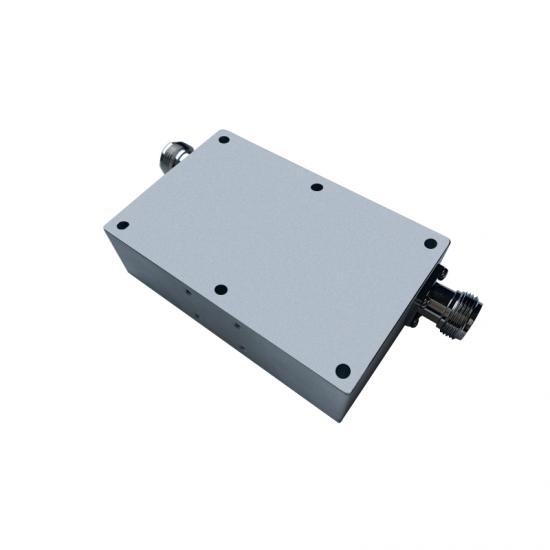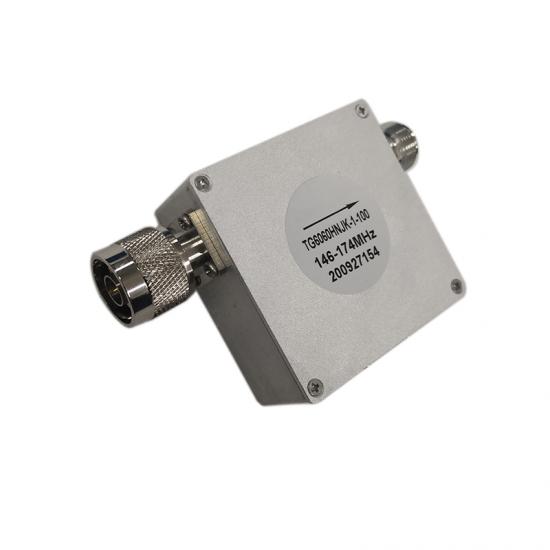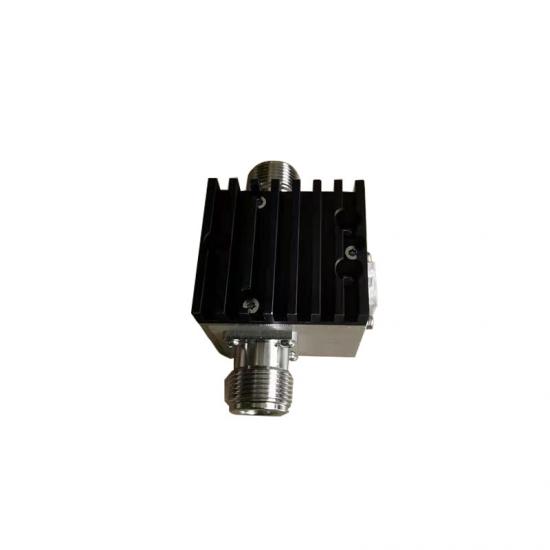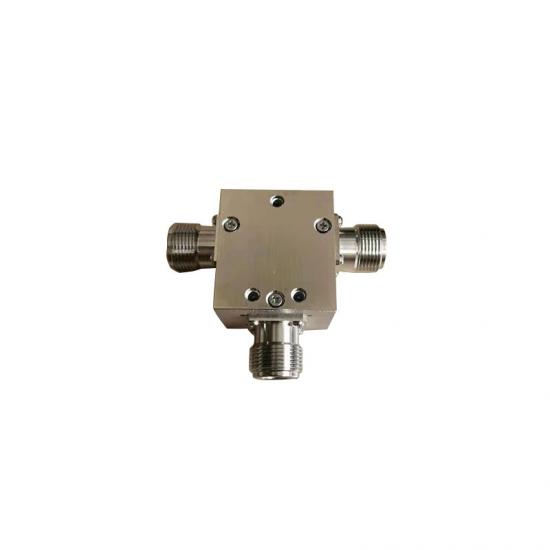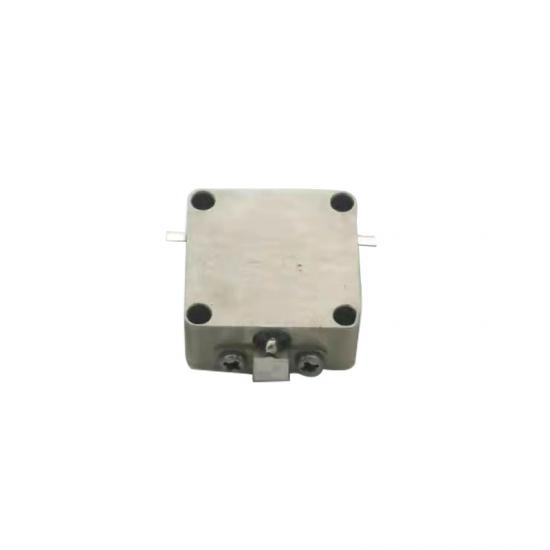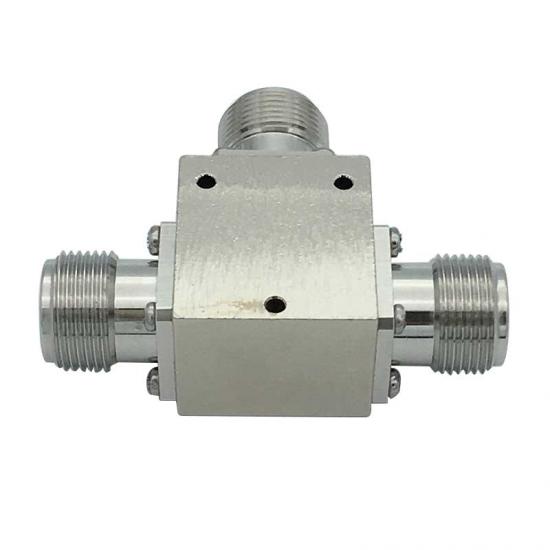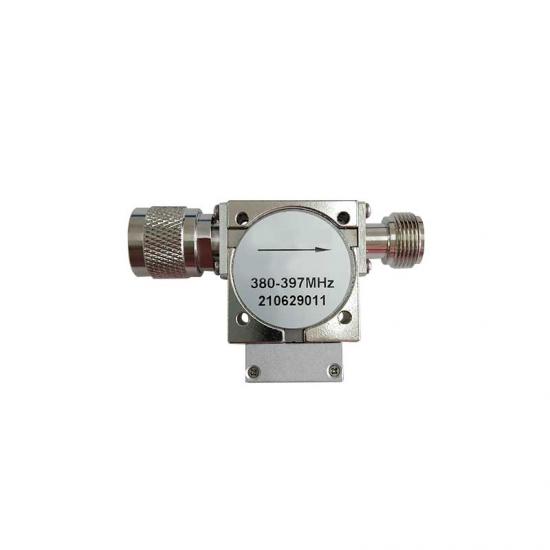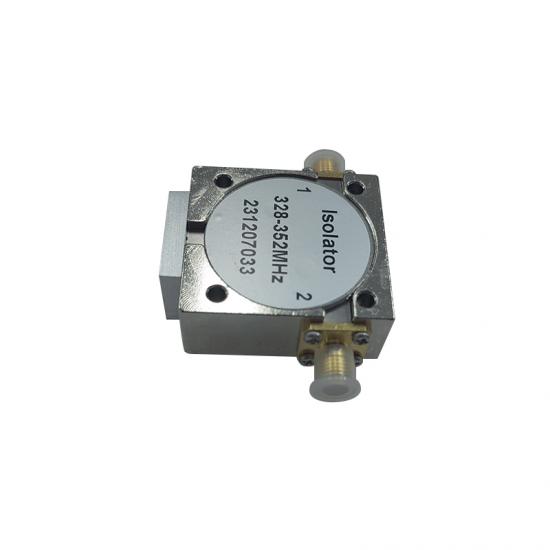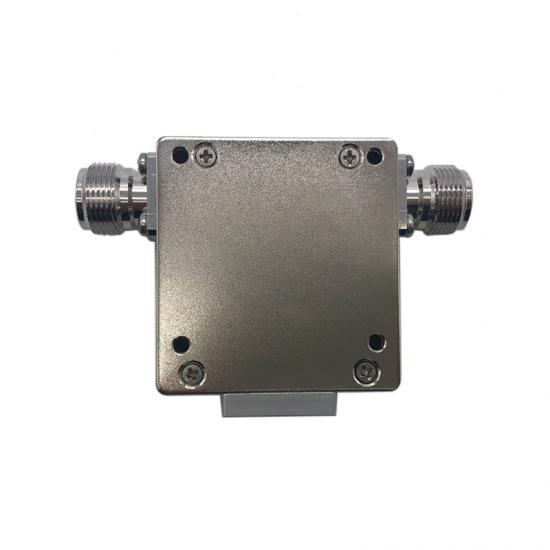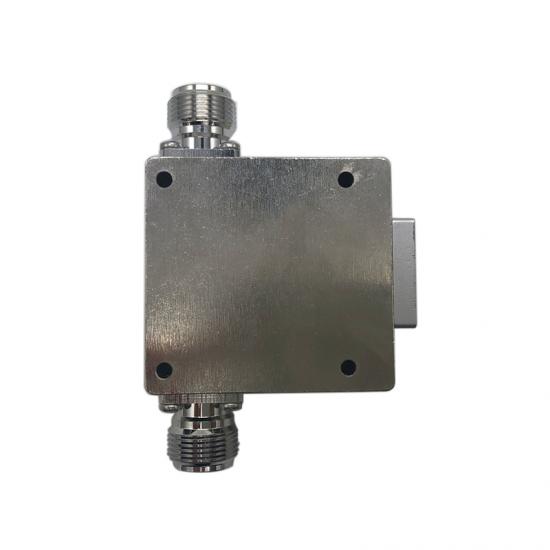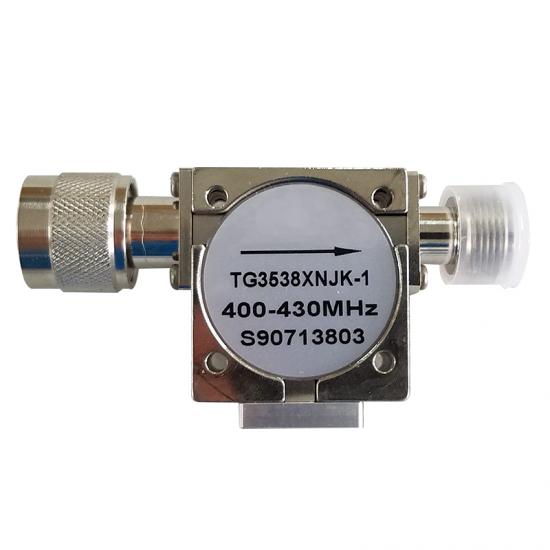


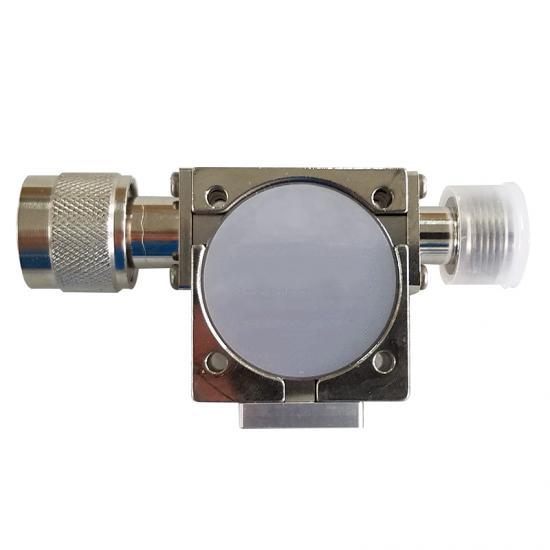
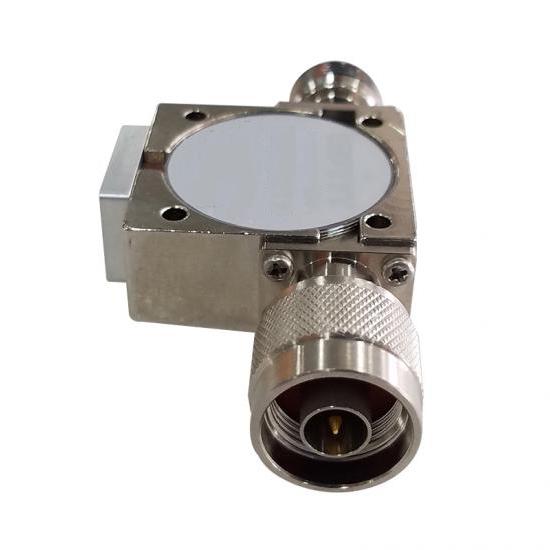
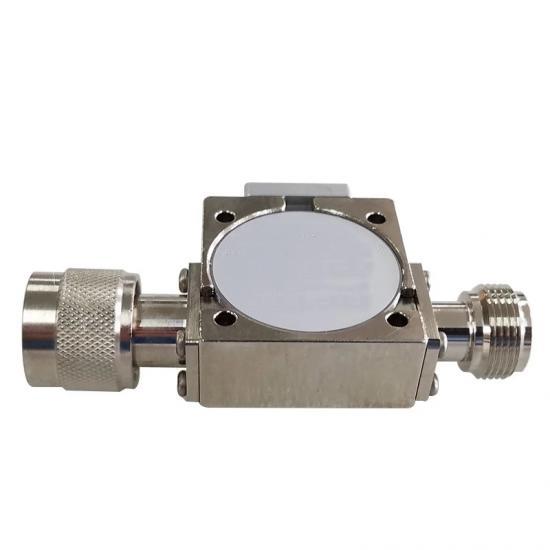
Product Overview
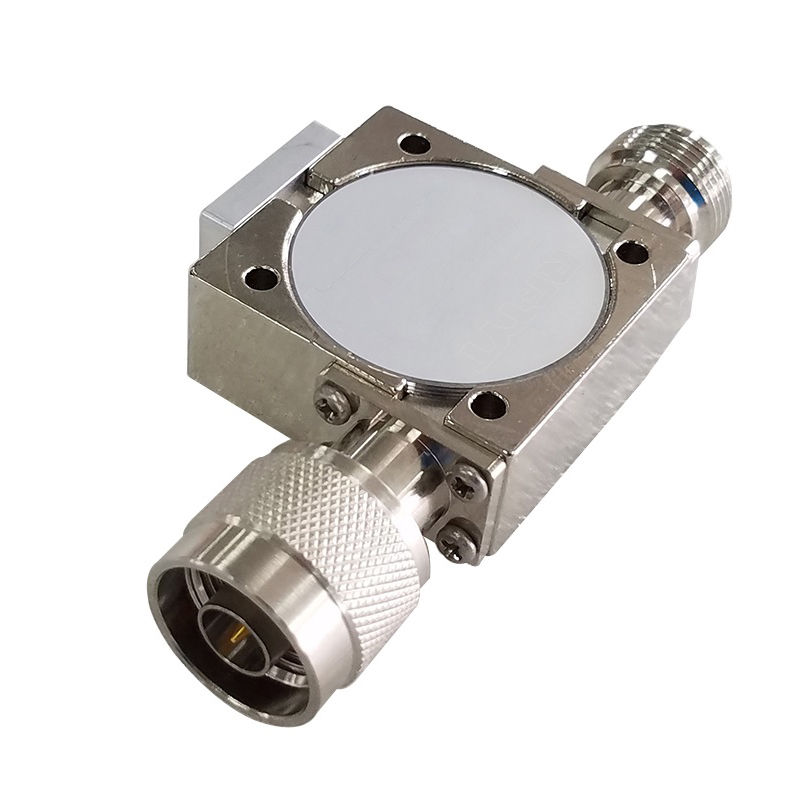
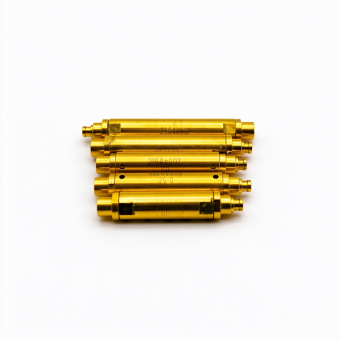
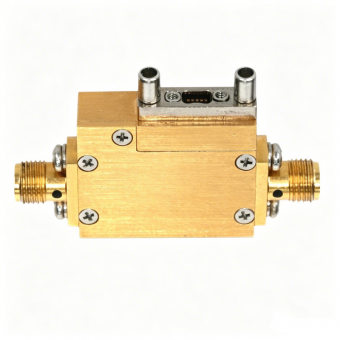
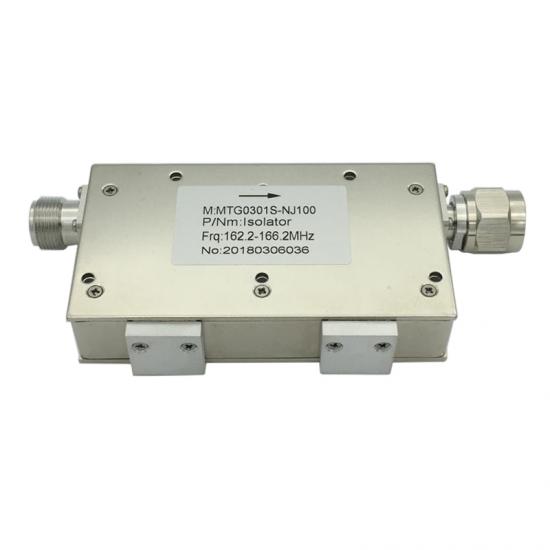
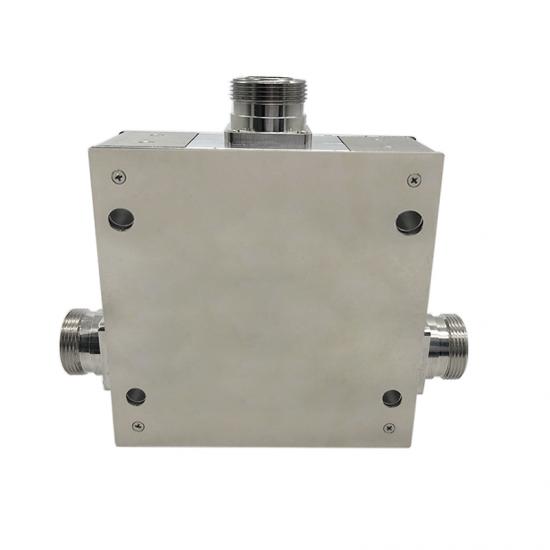
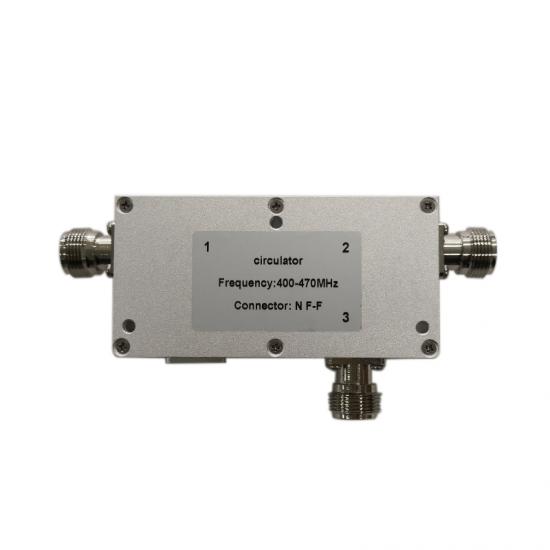
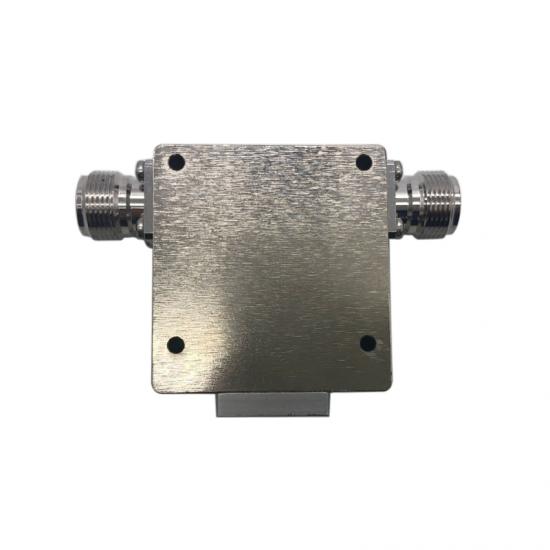
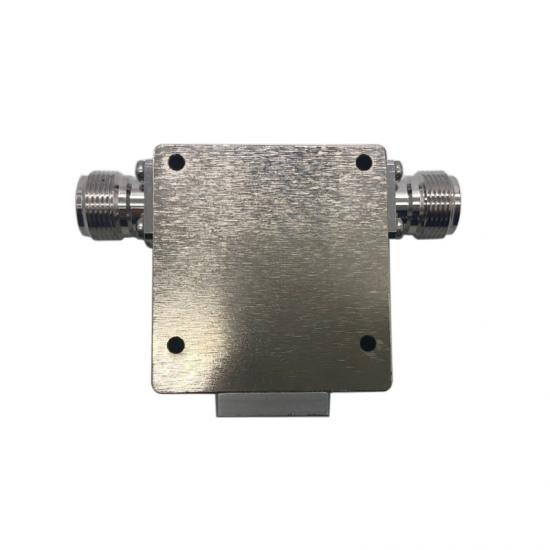
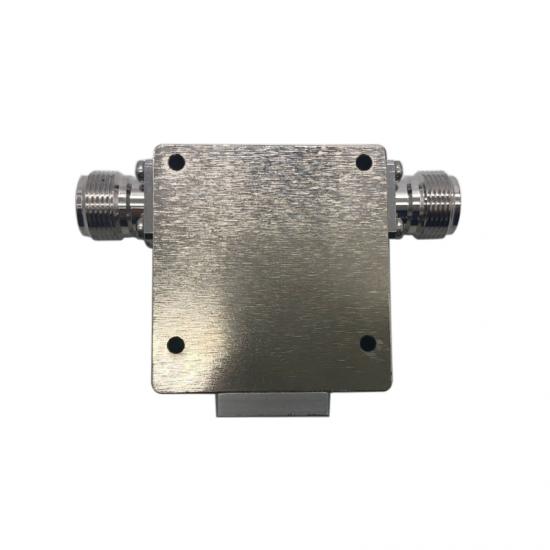
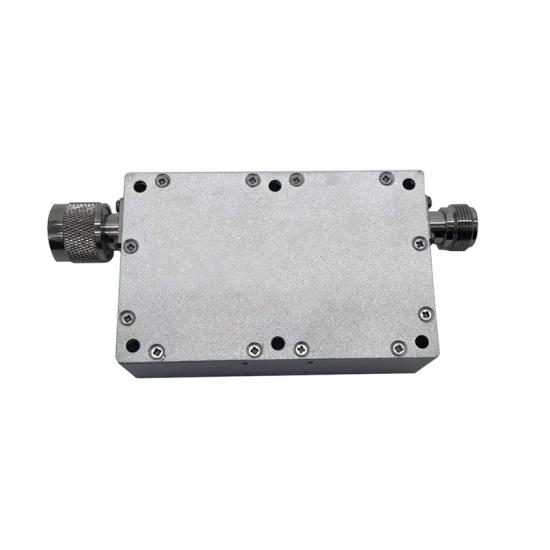
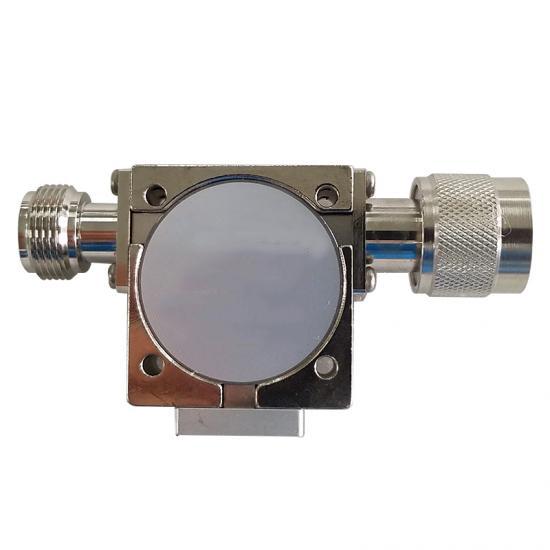
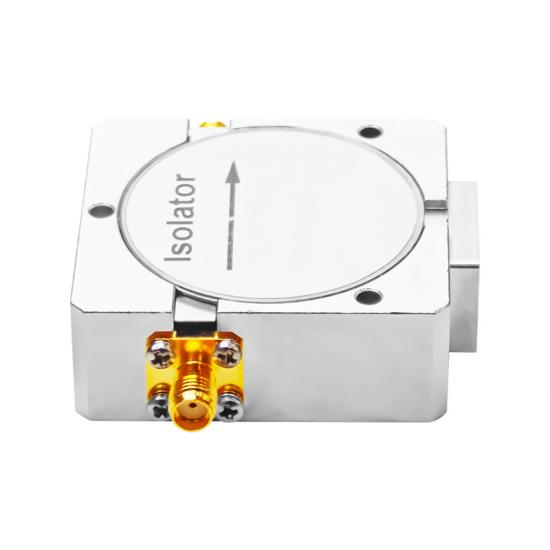
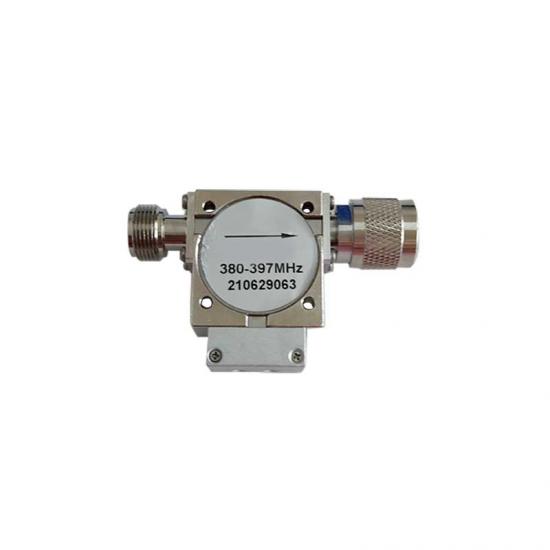
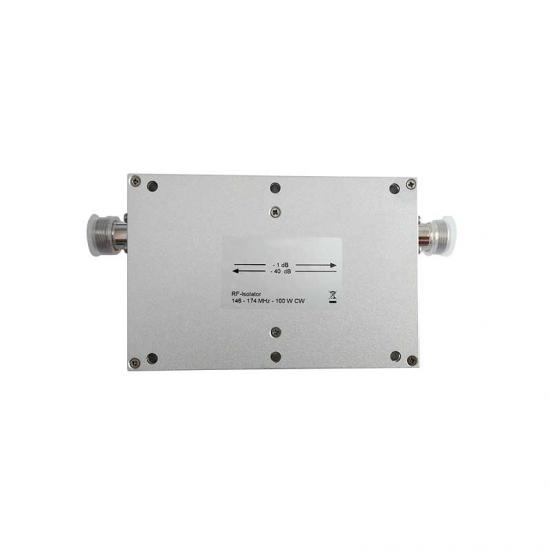
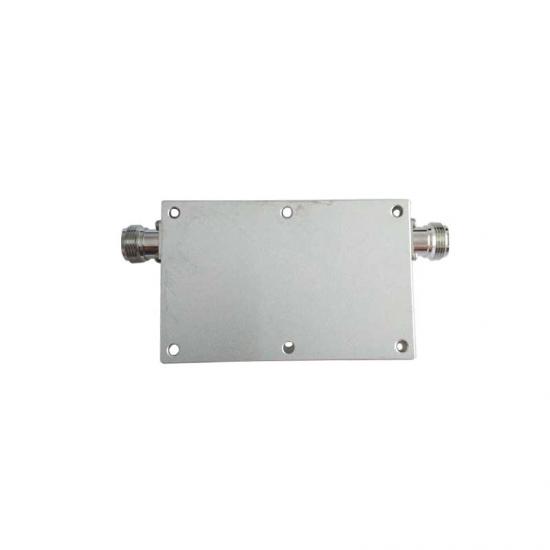
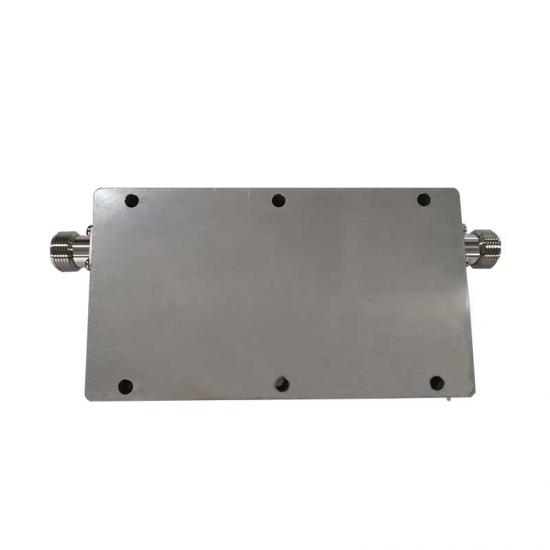
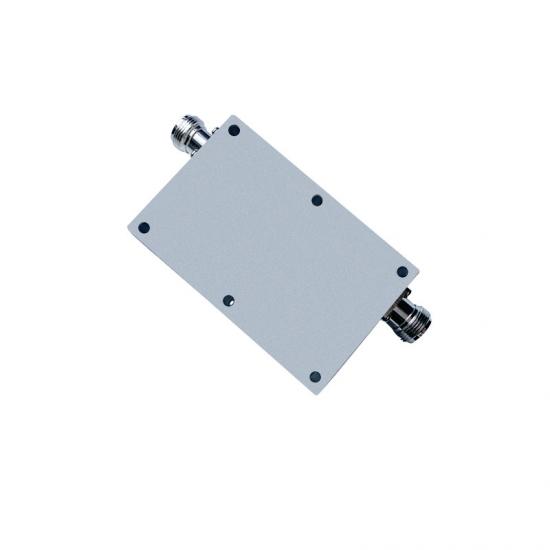
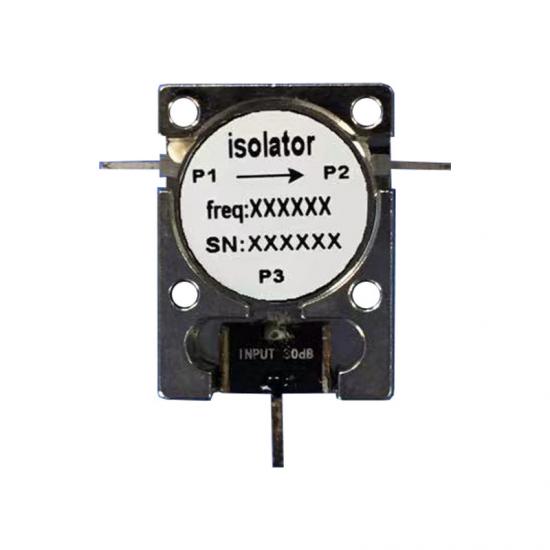
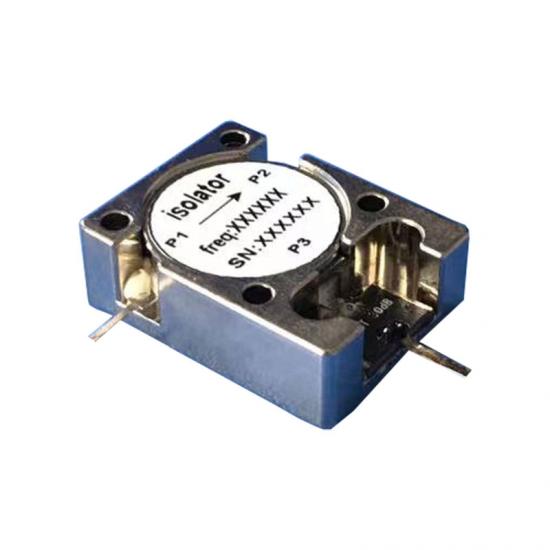
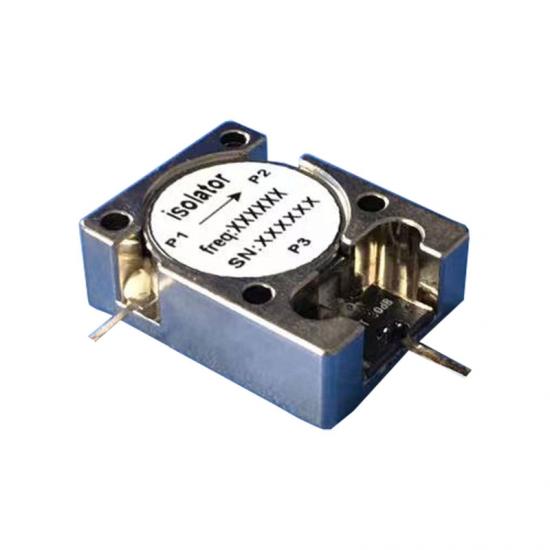
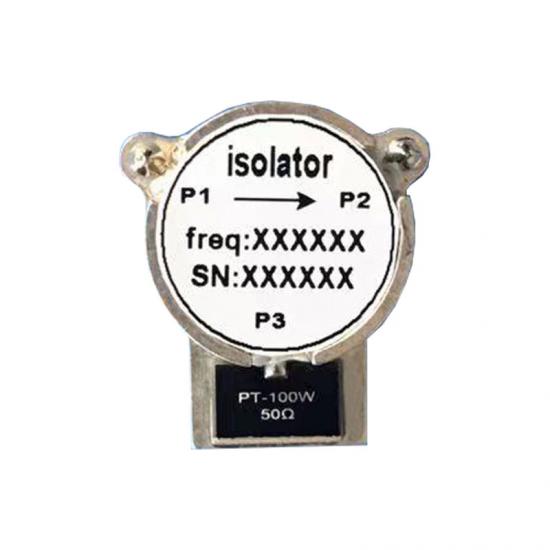
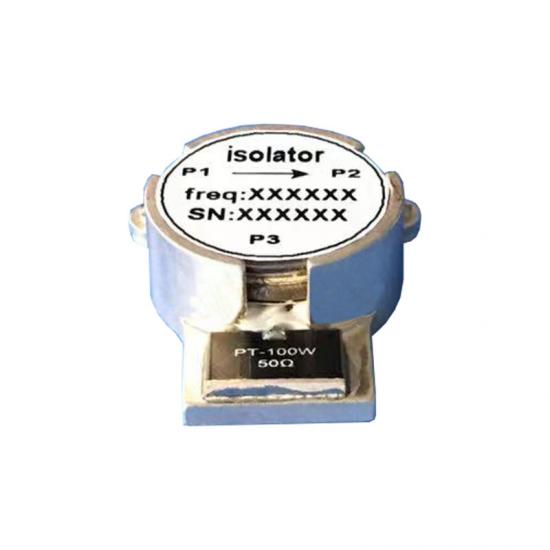
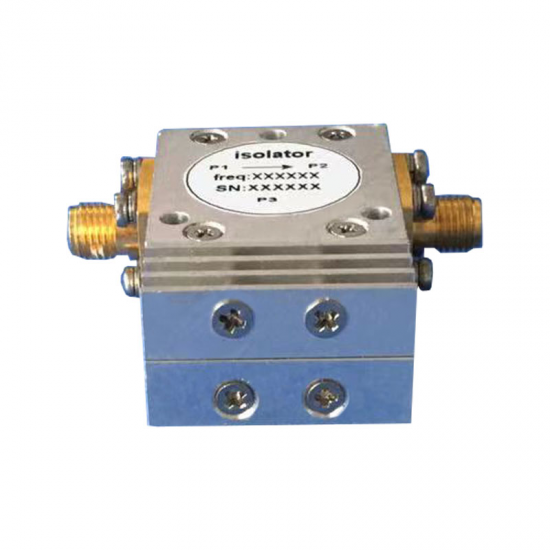
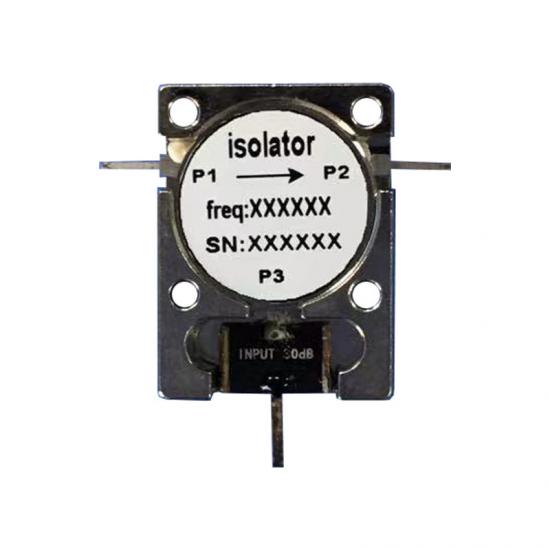
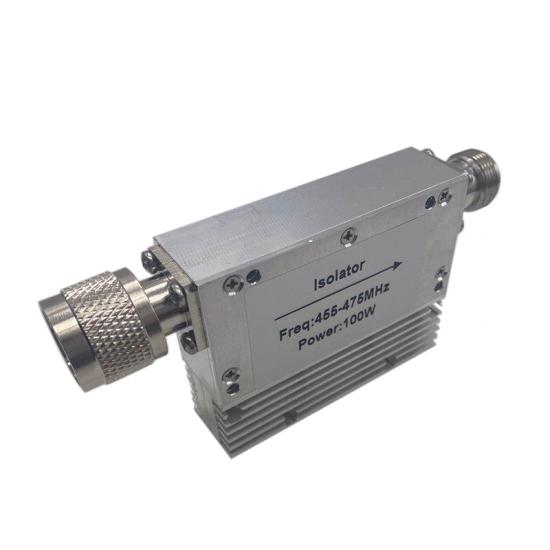
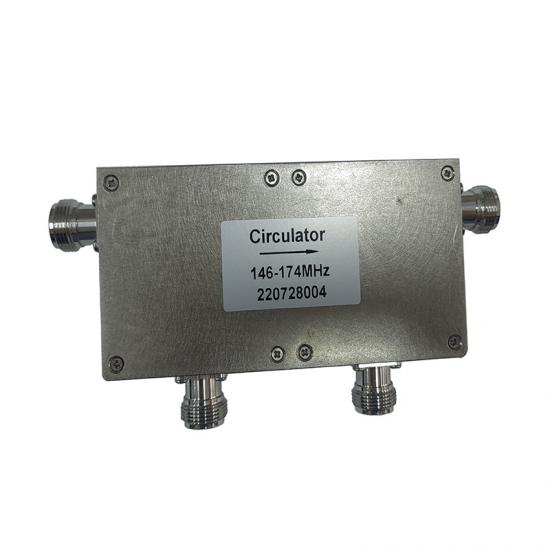
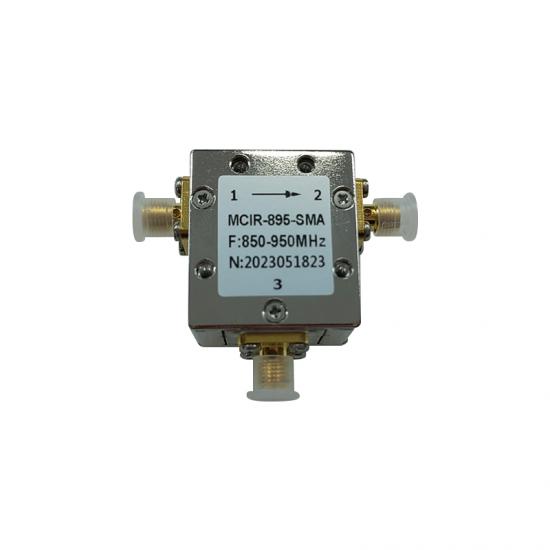
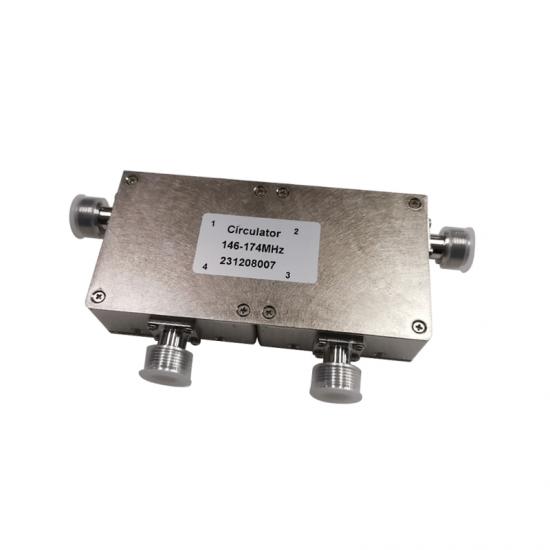
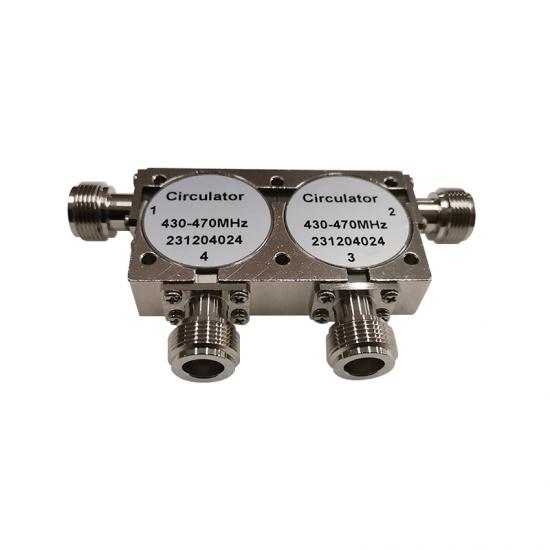
The UHF Coaxial Isolator (400-430MHz) is a critical protection component for high-power wireless systems. Engineered for the 400-430MHz spectrum, this device ensures that RF energy flows only in the forward direction, protecting your transmitter from potentially damaging reflected power caused by antenna mismatch or line faults. With a robust 200W CW forward power rating and ultra-low 0.4dB insertion loss, it is an essential asset for military tactical radio, aerospace telemetry, and mission-critical commercial UHF infrastructure.
Technical & Mechanical Specifications
| Frequency Range | 400 - 430 MHz |
| Insertion Loss | ≤ 0.4 dB |
| Isolation | ≥ 20 dB |
| VSWR | ≤ 1.25 |
| Forward Power | 200W CW |
| Reverse Power | 20W |
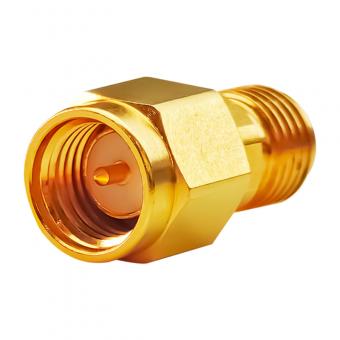
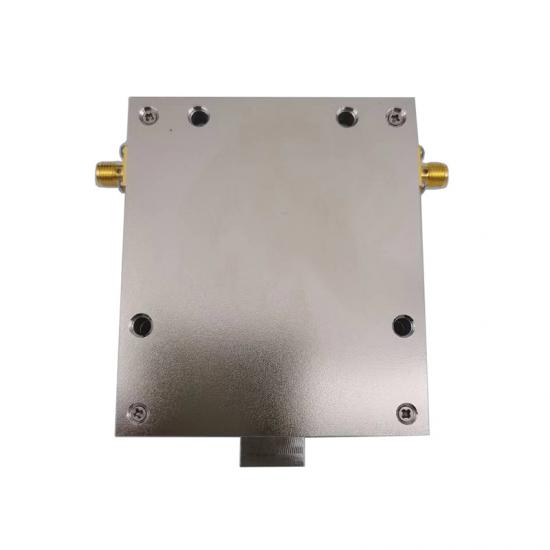
| Connector Type | N-Female / N-Male (N-K/N-J) |
| Operating Temperature | -30°C to +75°C |
NOTE: This UHF isolator is built for long-term stability. Please ensure that the reverse power dissipation does not exceed 20W to maintain the integrity of the internal termination. Customized frequency tuning within the 300-500MHz range is available upon request.
Frequently Asked Questions
- Q1: Why is an isolator necessary for 400MHz UHF transmitters?
- A: UHF bands are often used for critical mobile and tactical communications. If an antenna is damaged or disconnected, the signal reflects back to the transmitter. An isolator acts as a buffer, absorbing that reflected energy and preventing expensive power amplifiers from burning out.
- Q2: What is the difference between Forward Power and Reverse Power in this device?
- A: Forward Power (200W) is the maximum signal level the device can pass from input to output. Reverse Power (20W) is the amount of reflected energy the internal load can safely absorb. For systems with very high reflection, we recommend checking the VSWR of the antenna line regularly.
- Q3: Does the low 0.4dB insertion loss affect signal range?
- A: Minimal insertion loss is vital. A 0.4dB loss is practically negligible, ensuring that nearly all your transmitter's power reaches the antenna, maximizing your communication range while still providing high-level protection.
- Q4: Can this isolator be used in high-temperature environments?
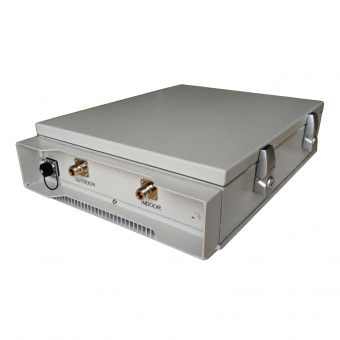
- A: Yes, it is rated up to +75°C. This makes it suitable for mounting in uncooled outdoor cabinets or near high-heat power amplifiers commonly found in BDA (Bi-Directional Amplifier) systems.
- Q5: What does N-K/N-J refer to in the connector specification?
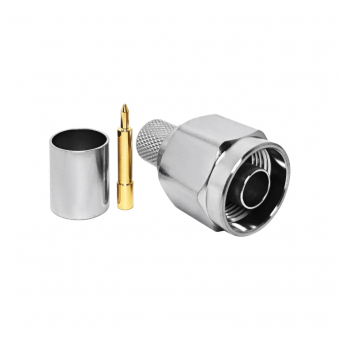
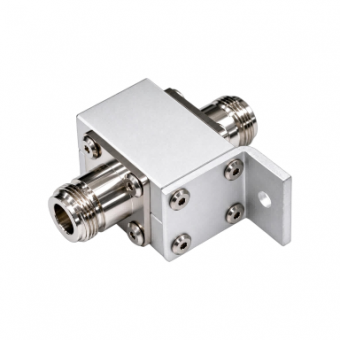
- A: "K" typically refers to the Female (Jack) connector, and "J" refers to the Male (Plug) connector. Our isolators can be configured with N-Female/Female, N-Male/Female, or other combinations to match your existing N-type cabling.
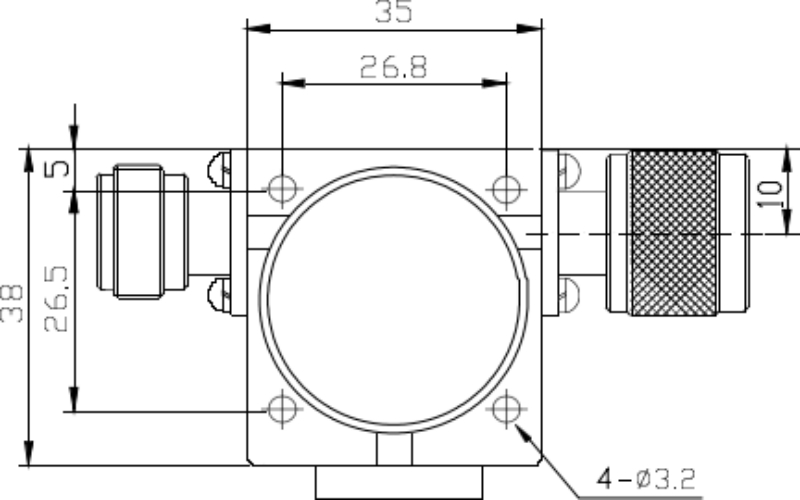
Mechanical Drawing
Product Detail Images