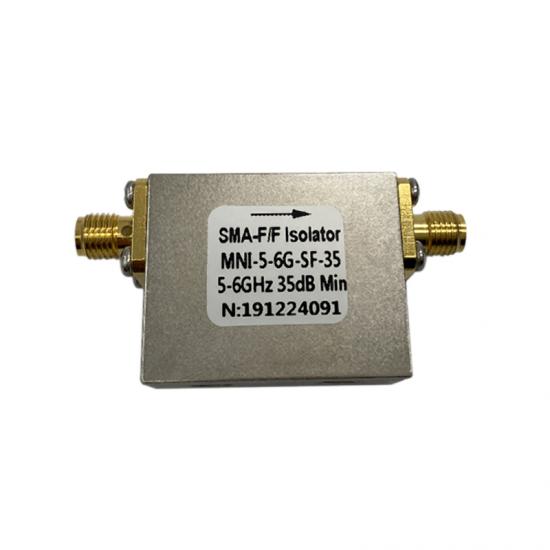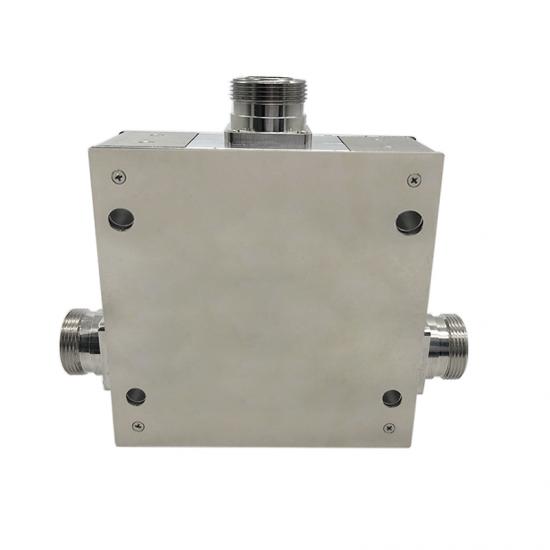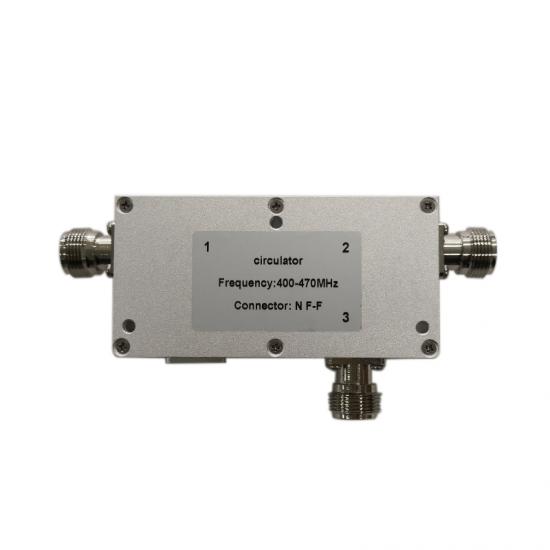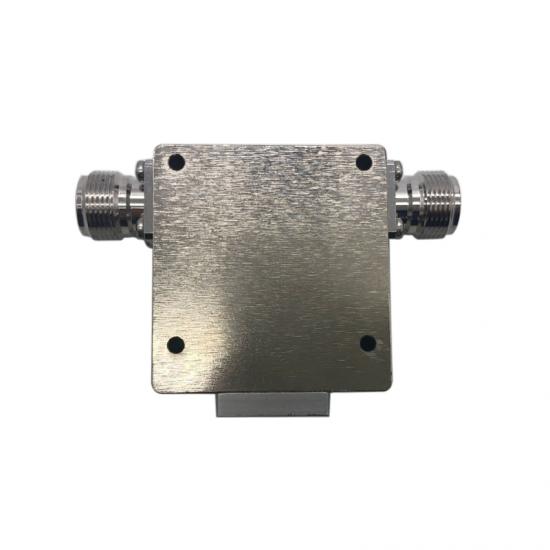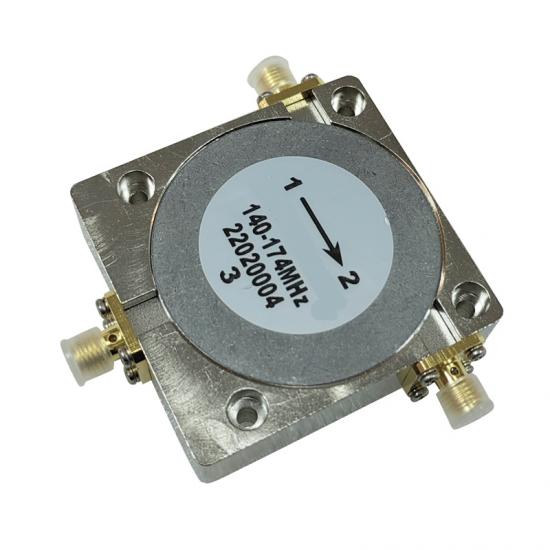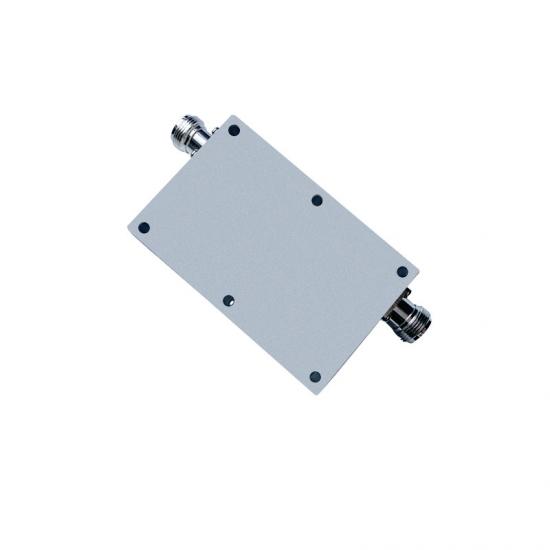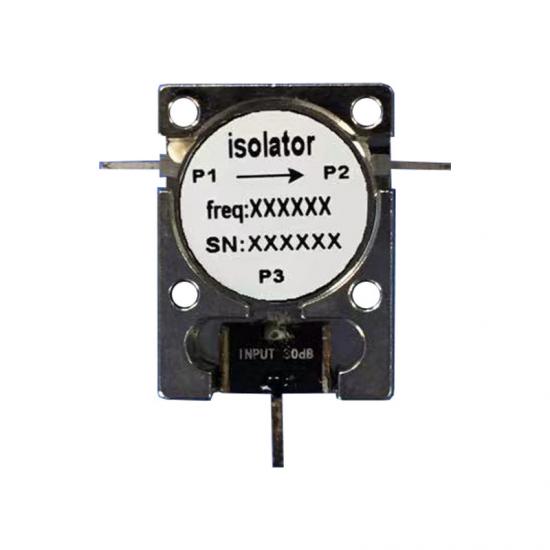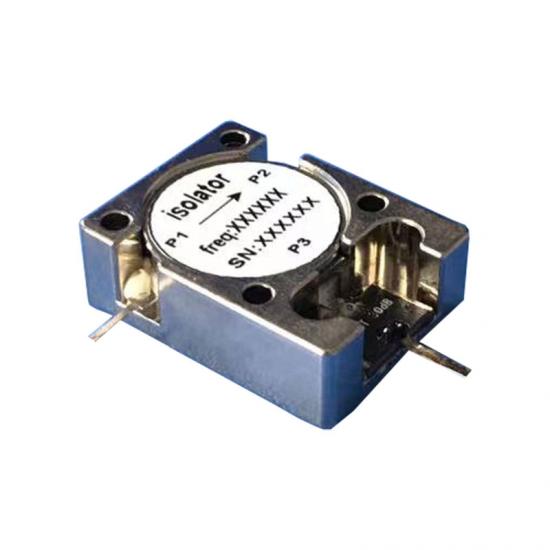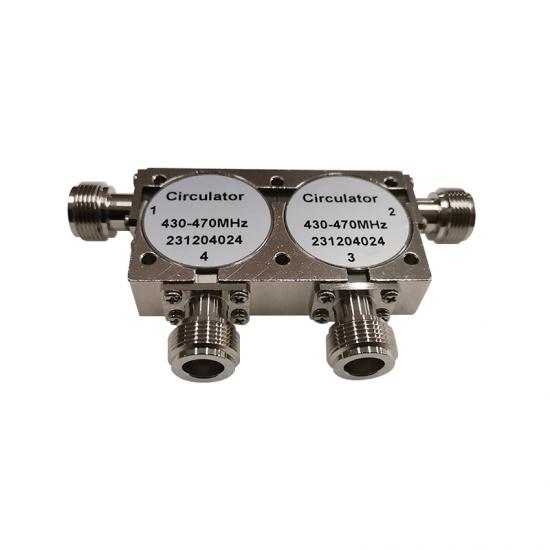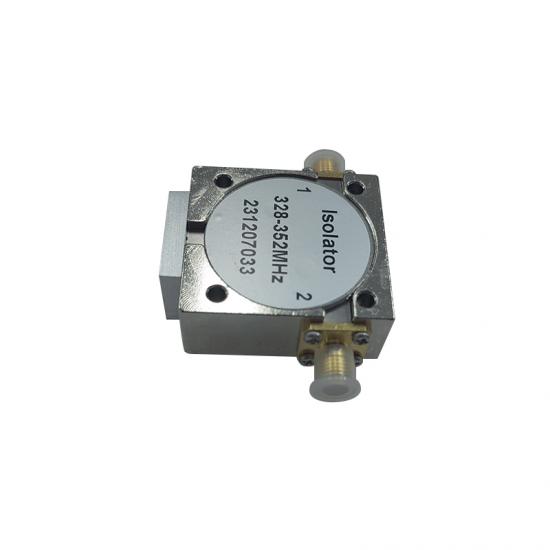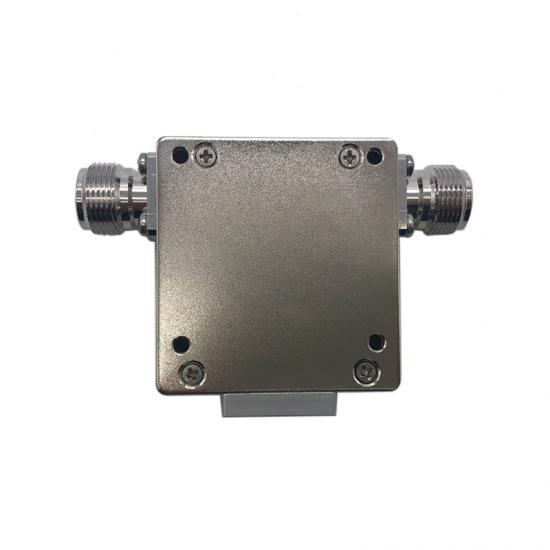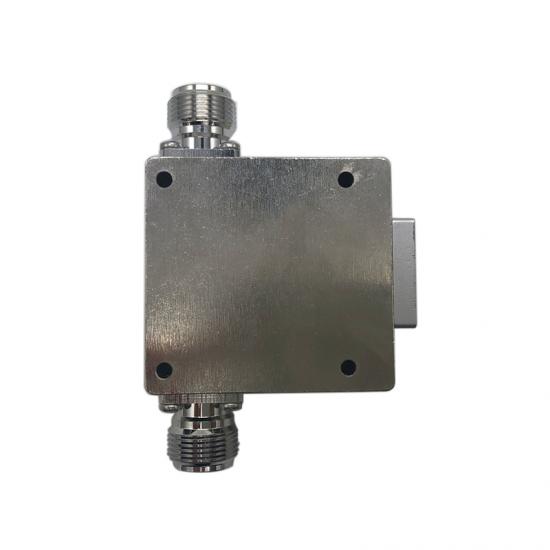


Product Overview
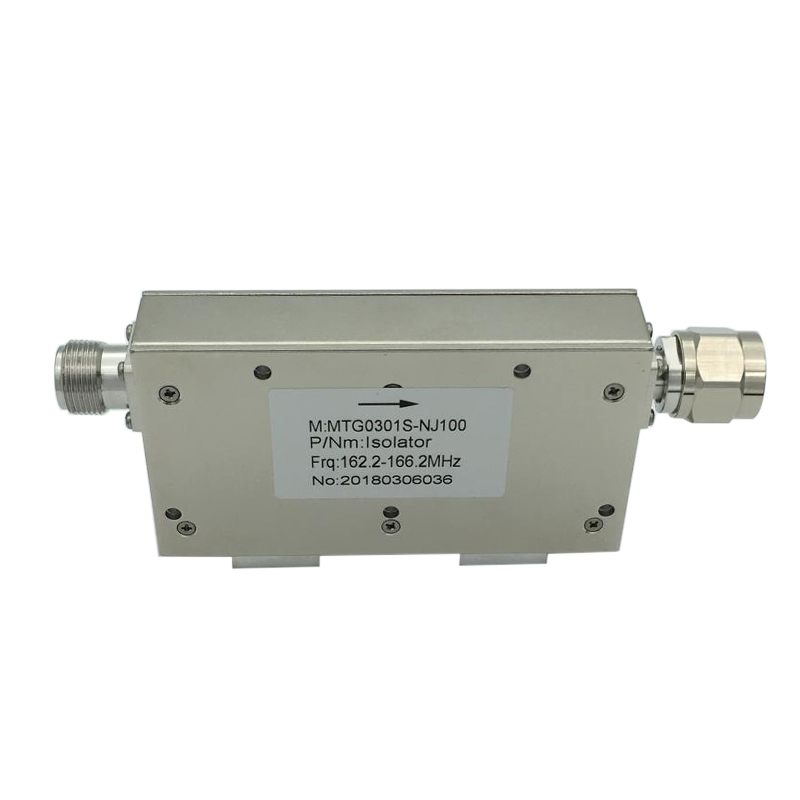
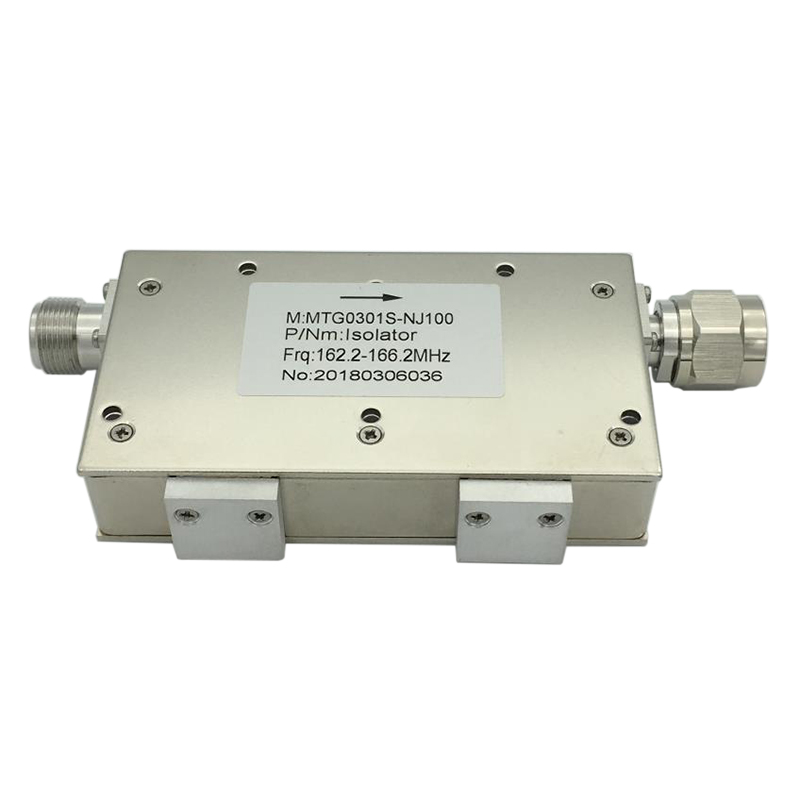
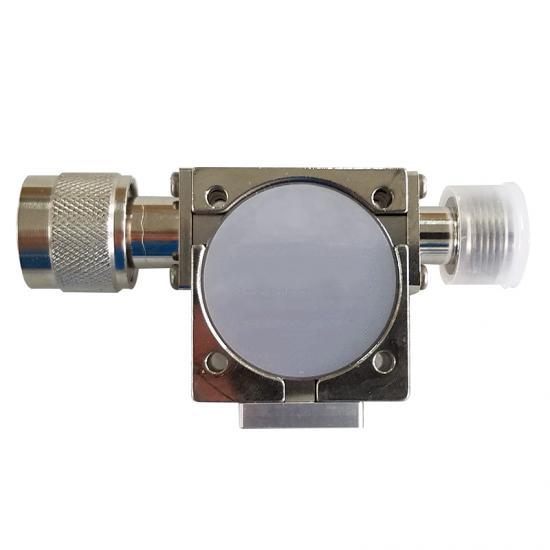
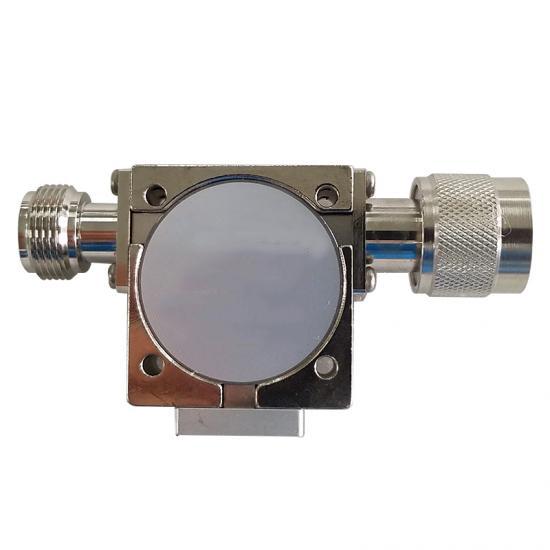
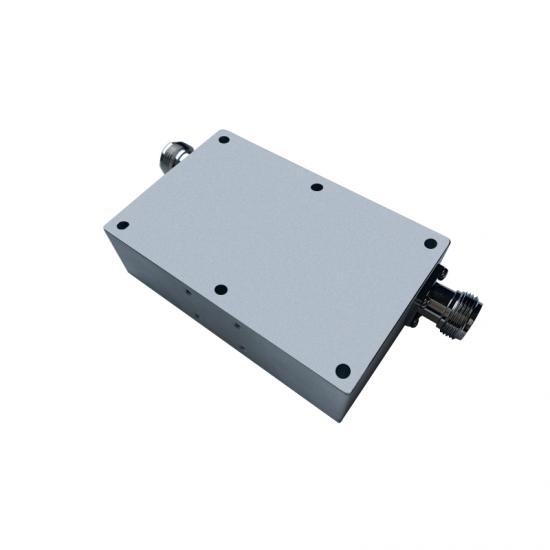
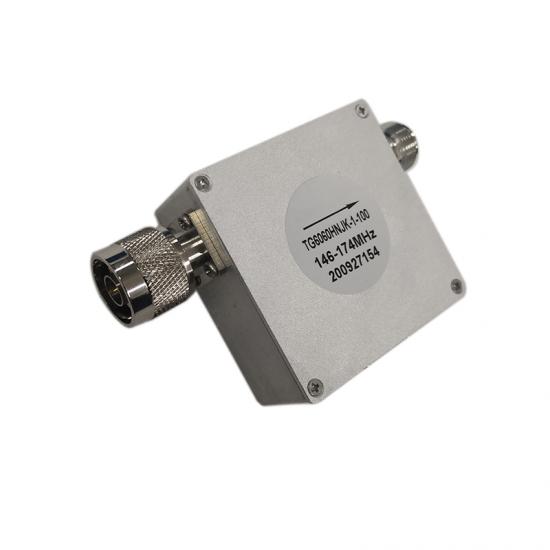
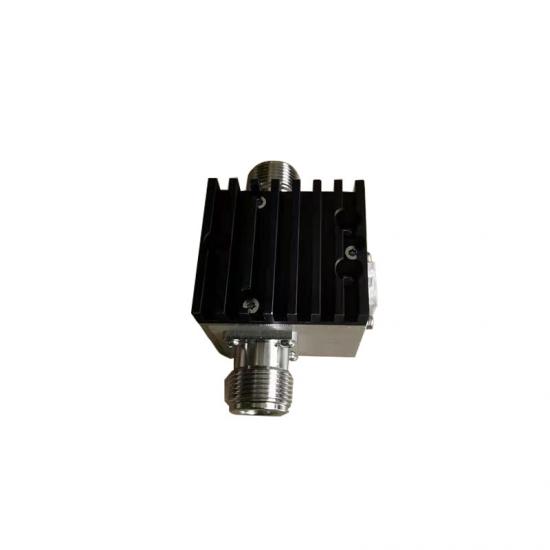
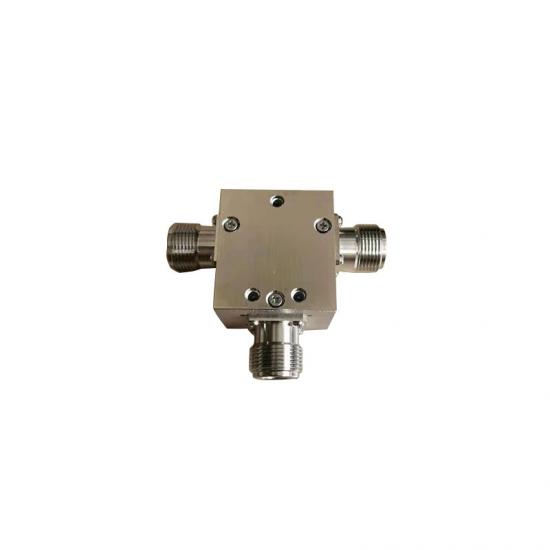
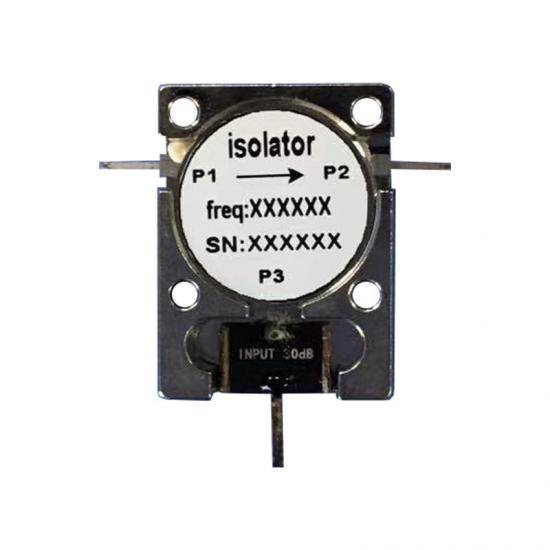
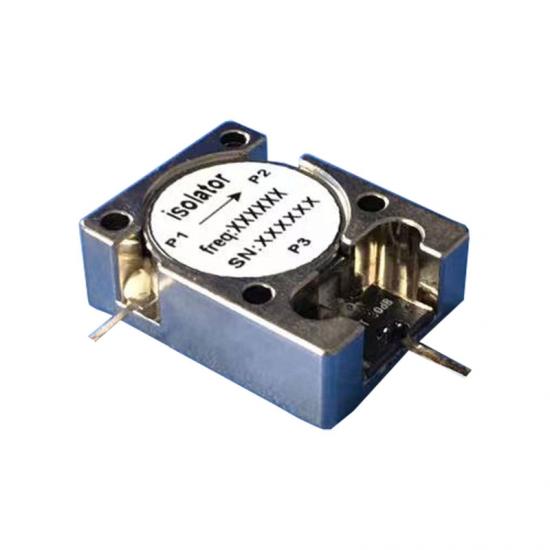
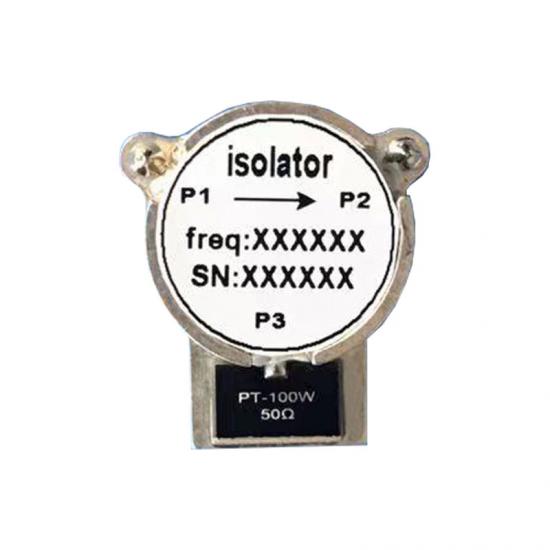
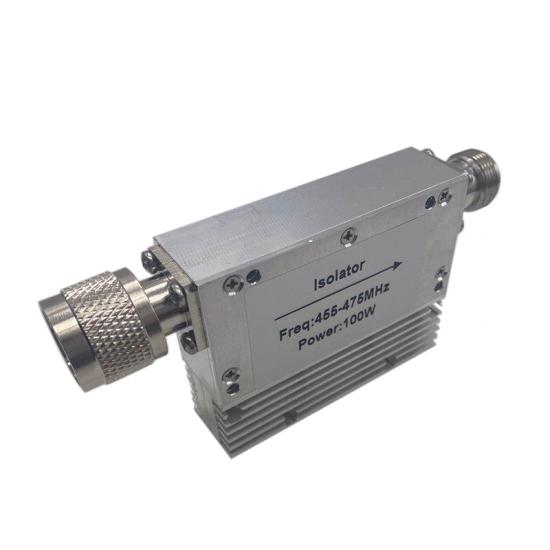
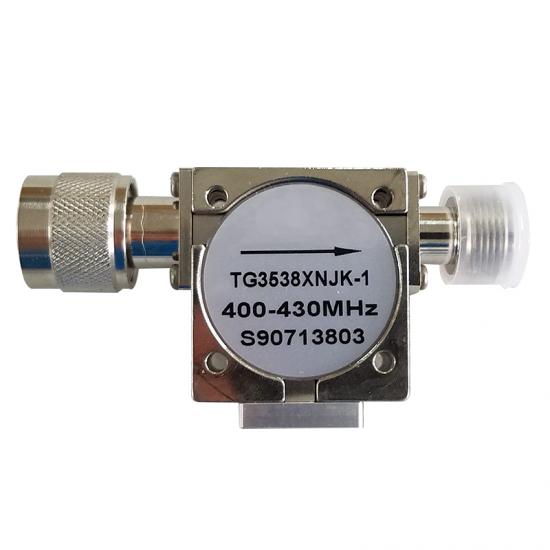
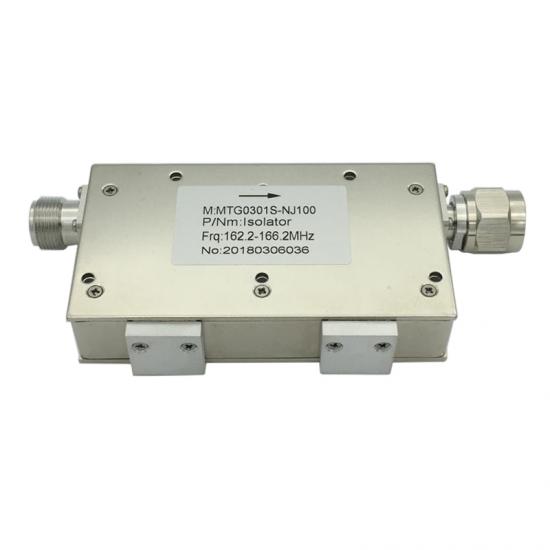
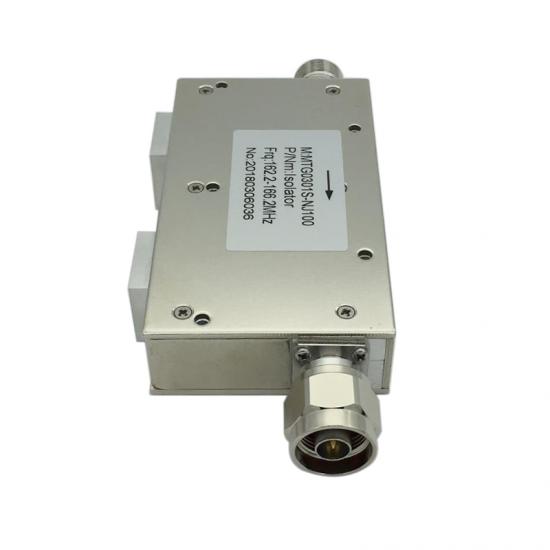
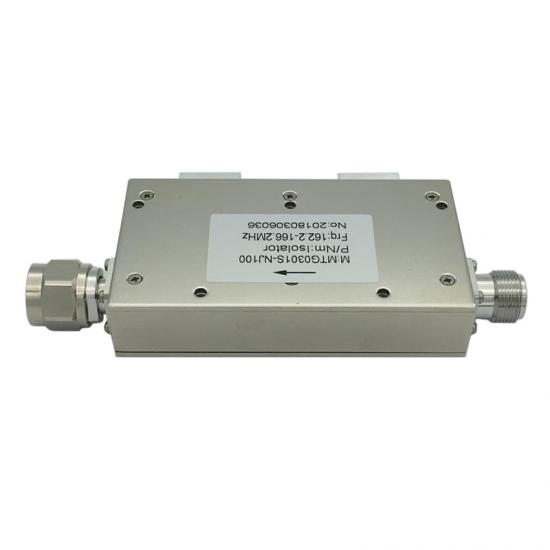
The VHF High-Isolation Coaxial Isolator (162.2-166.2MHz) is a premium RF component engineered for mission-critical VHF applications. With an exceptional 45dB isolation rating, this device provides ultimate protection for transmitters against high VSWR and reflected power. Operating with a 150W CW power capacity and a low 0.6dB insertion loss, it is the ideal choice for high-precision military communications, maritime AIS systems, and aerospace ground stations where signal purity and hardware safety are paramount.
Technical & Mechanical Specifications
| Frequency Range | 162.2 - 166.2 MHz |
| Bandwidth | 4 MHz |
| Insertion Loss | ≤ 0.6 dB |
| Isolation | ≥ 45 dB |
| VSWR | ≤ 1.20 |
| Power Rating | 150W CW |
| Direction | Clockwise |
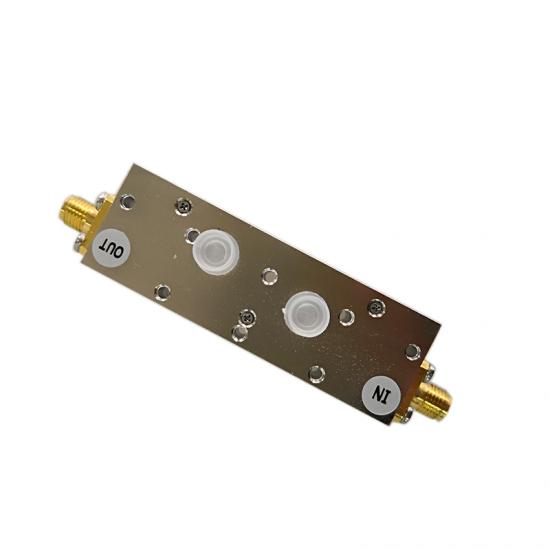
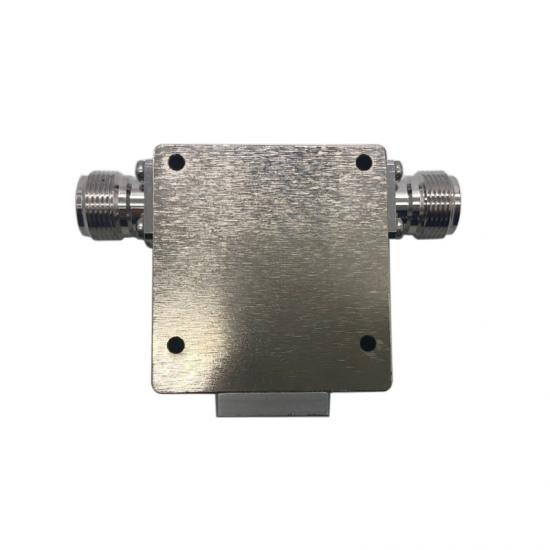
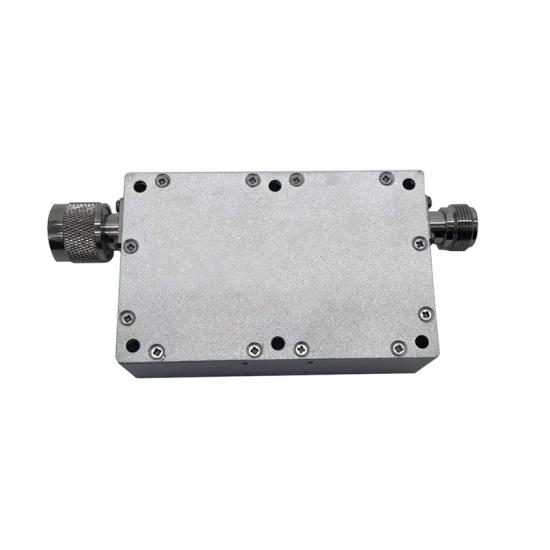
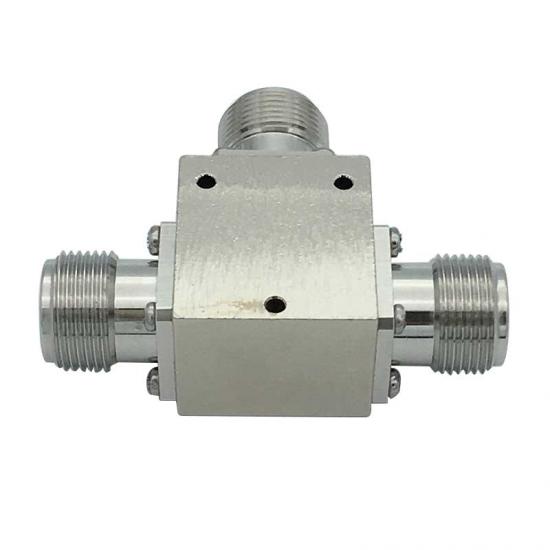
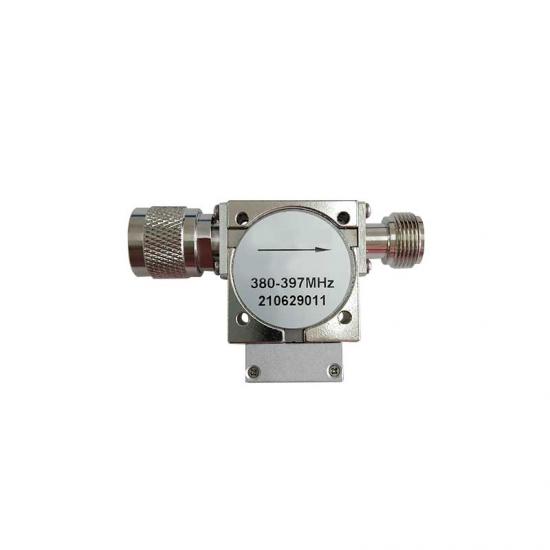
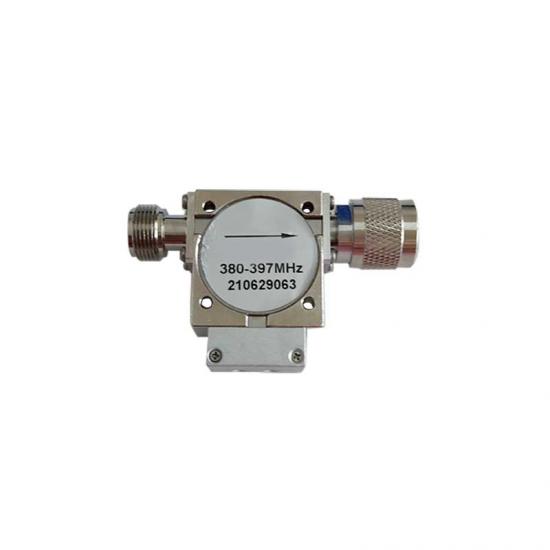
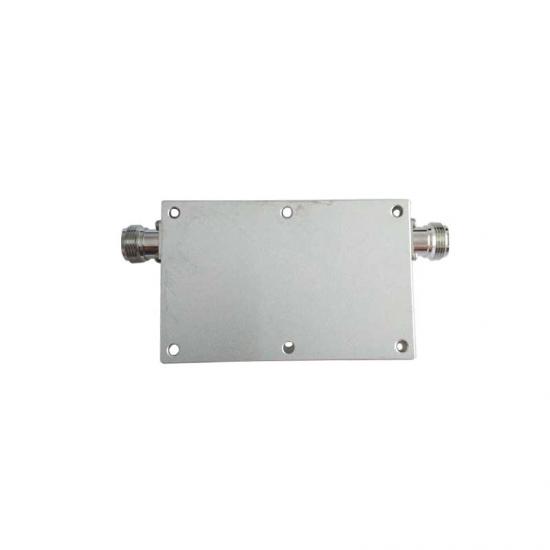
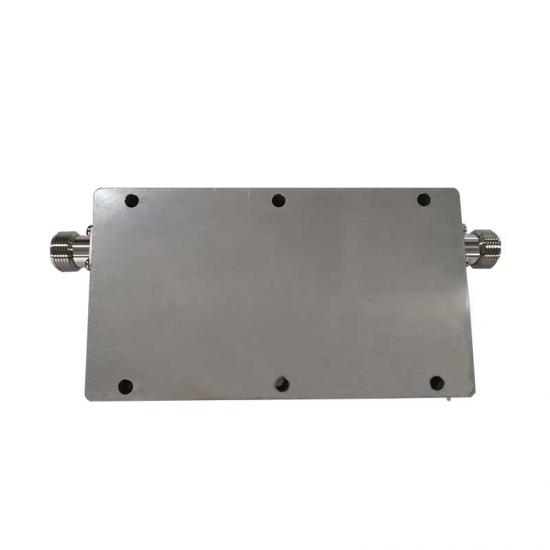
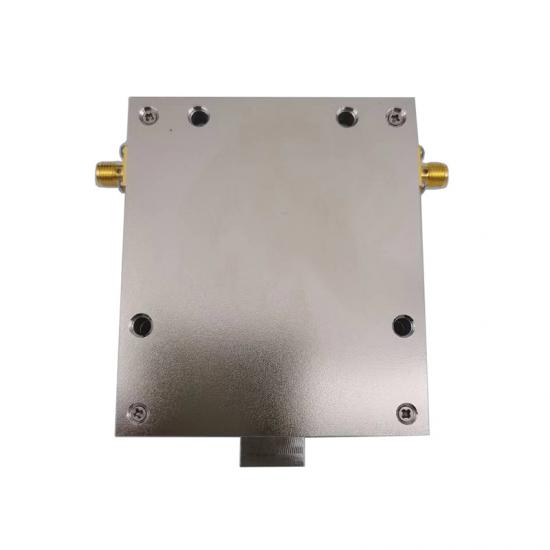
| Connector Type | N-Female / N-Male |
| Operating Temperature | -30°C to +70°C |
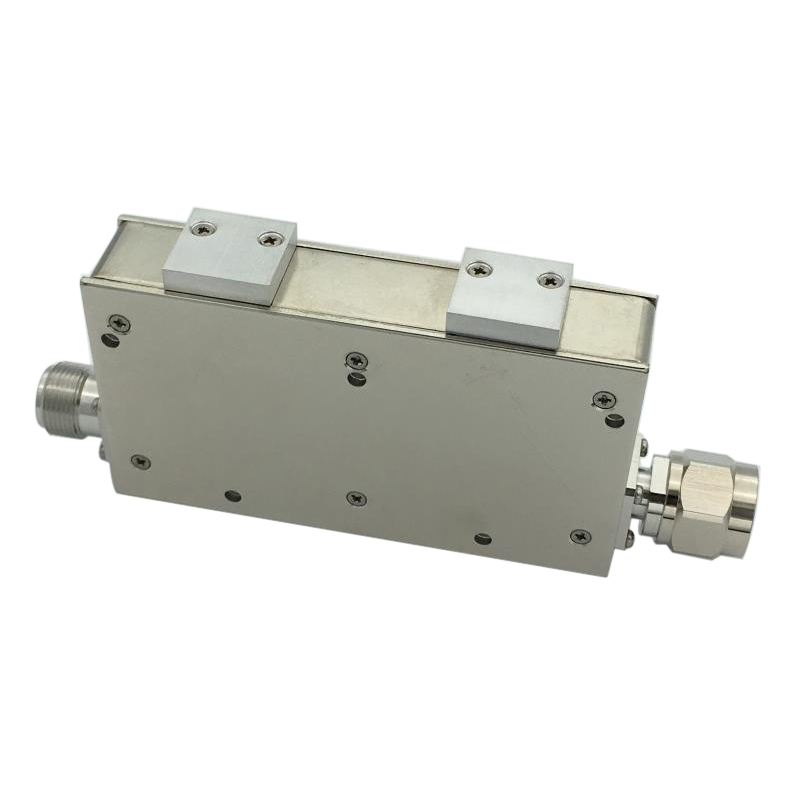
NOTE: This specific 45dB high-isolation model is designed for ultra-stable performance. Its narrow 4MHz bandwidth ensures maximum selectivity within the 162-166MHz range. Please contact us for custom mounting brackets or specific N-connector gender combinations.
Frequently Asked Questions
- Q1: Why does this model offer 45dB isolation instead of the standard 20dB?
- A: To achieve 45dB isolation, this device typically utilizes a dual-junction (dual-stage) design. This provides double the protection, making it ideal for systems where the transmitter is extremely sensitive to any reflected energy or when operating near other high-power transmitters.
- Q2: What is the significance of the 162.2-166.2MHz frequency range?
- A: This range is heavily used in Maritime AIS (Automatic Identification System), public safety, and dedicated private radio networks. Having a narrow 4MHz bandwidth ensures the isolator is optimized perfectly for these critical channels, providing lower loss and higher stability than wider-band models.
- Q3: Can it handle 150W continuous power in outdoor environments?
- A: Yes, it is rated for 150W CW (Continuous Wave) and can operate between -30°C and +70°C. For outdoor installations, we recommend placing it inside a weather-protected enclosure to safeguard the N-type connectors from corrosion.
- Q4: What happens if the signal direction is reversed?
- A: As a clockwise isolator, the signal from Port 1 (Input) to Port 2 (Output) passes with minimal loss. Any signal trying to return from Port 2 to Port 1 will be blocked by at least 45dB and diverted to an internal termination, where it is dissipated as heat.
Mechanical Drawing (mm)
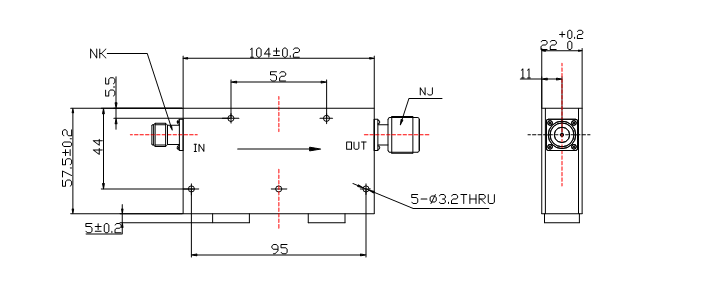
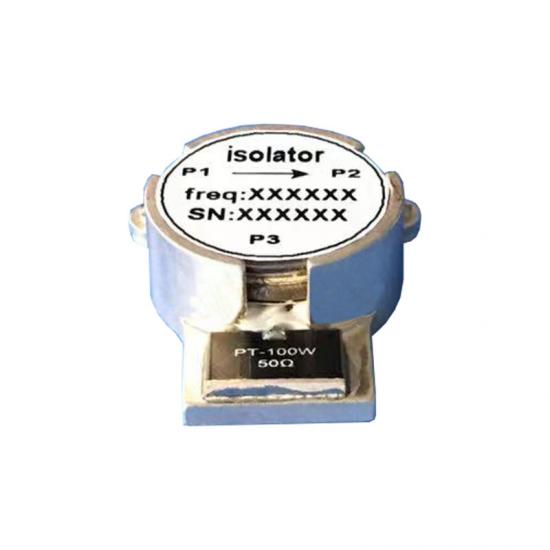
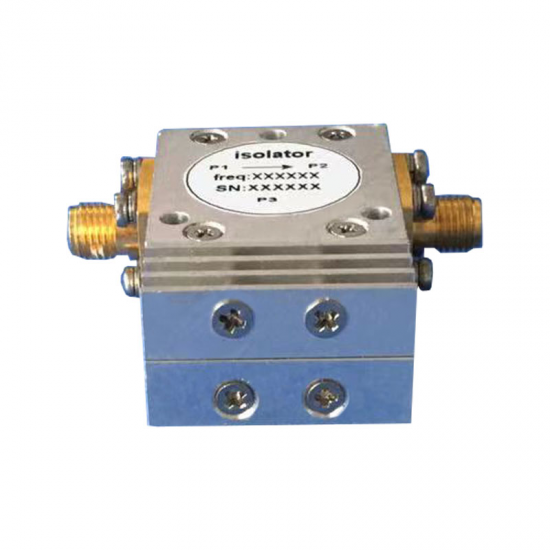
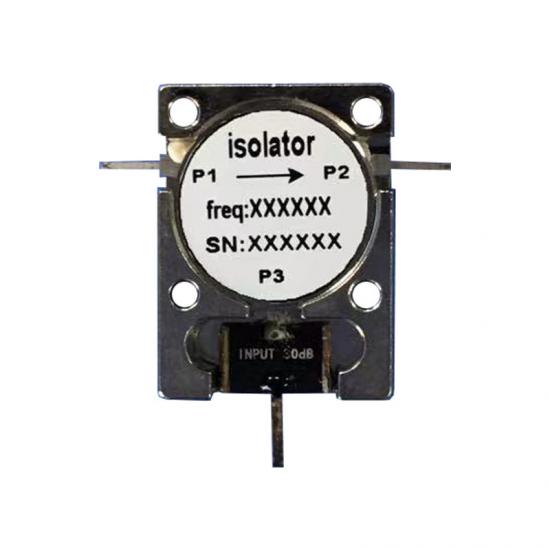
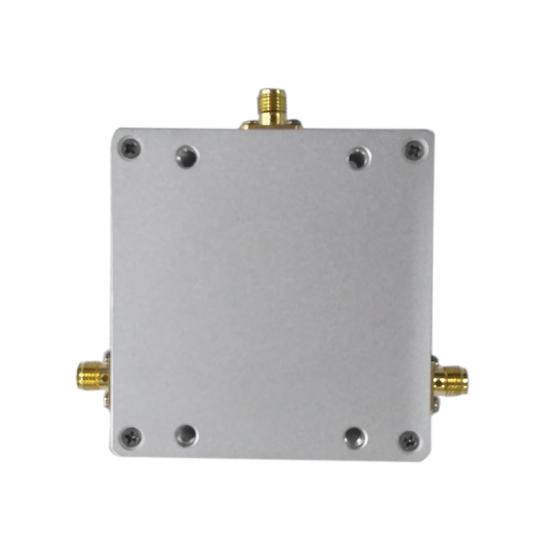
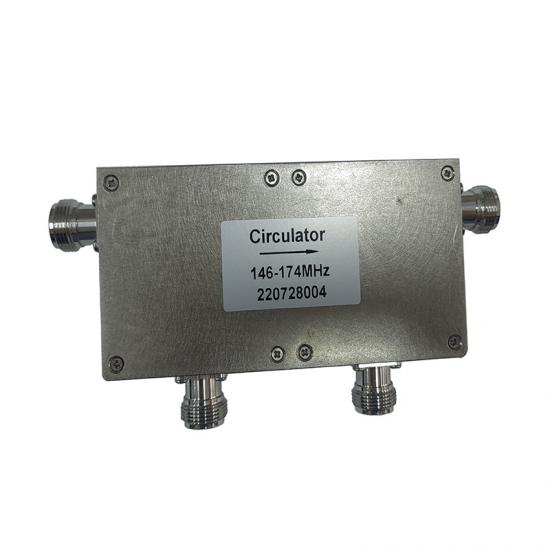
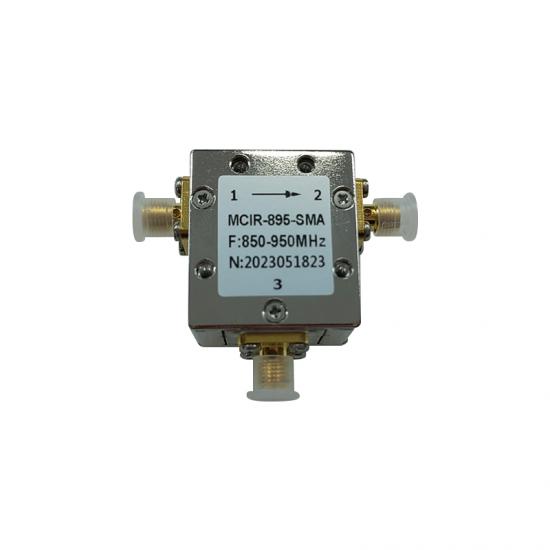
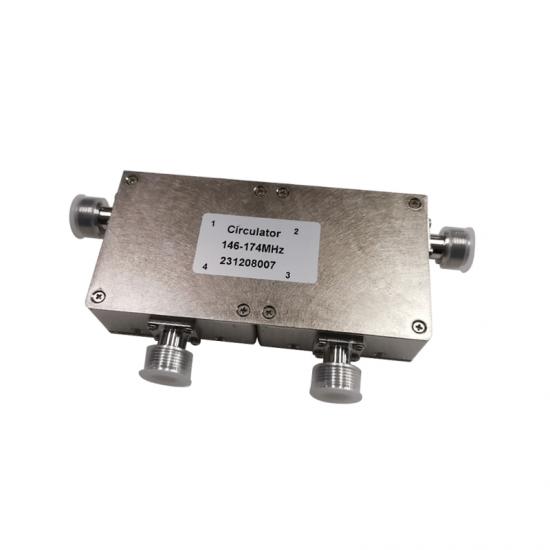
Product Detail Images