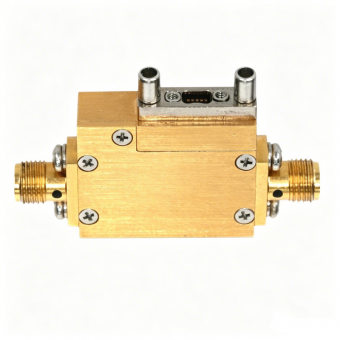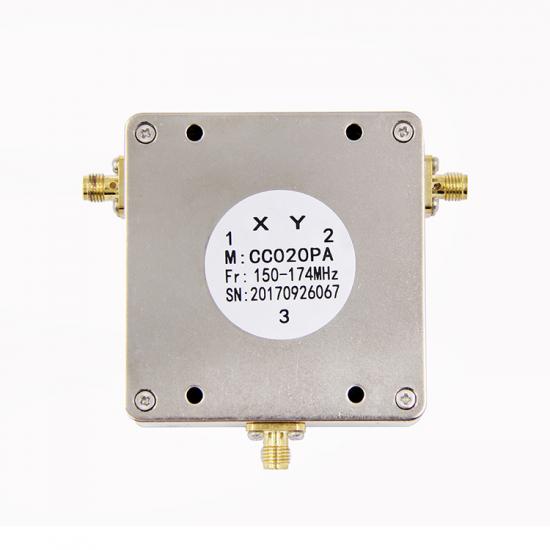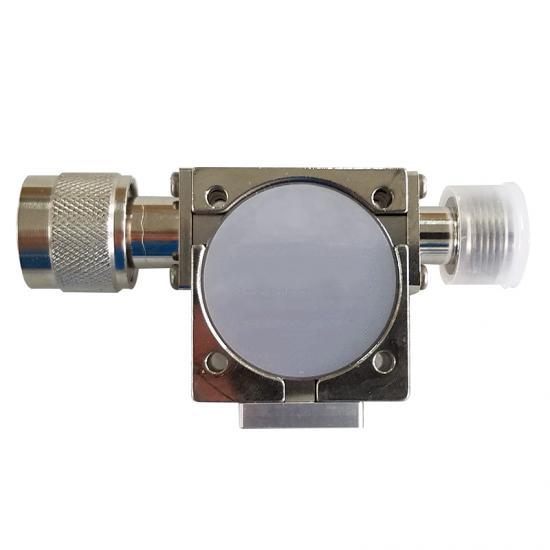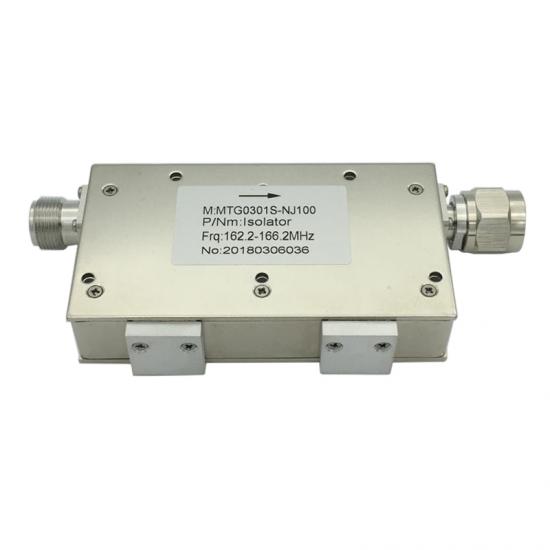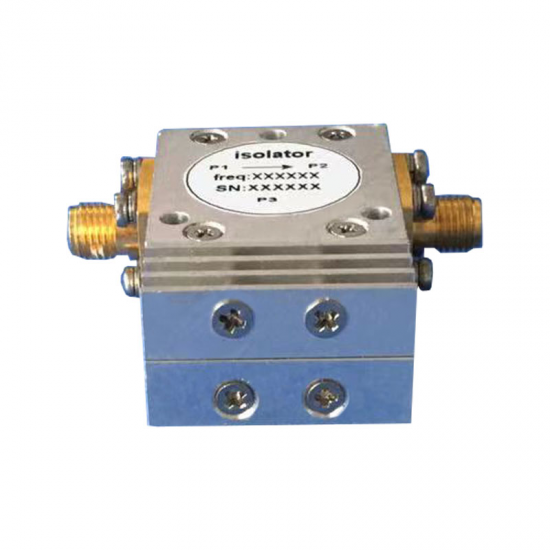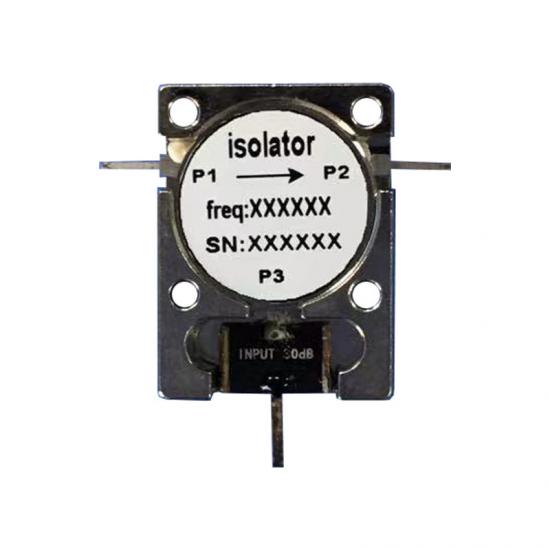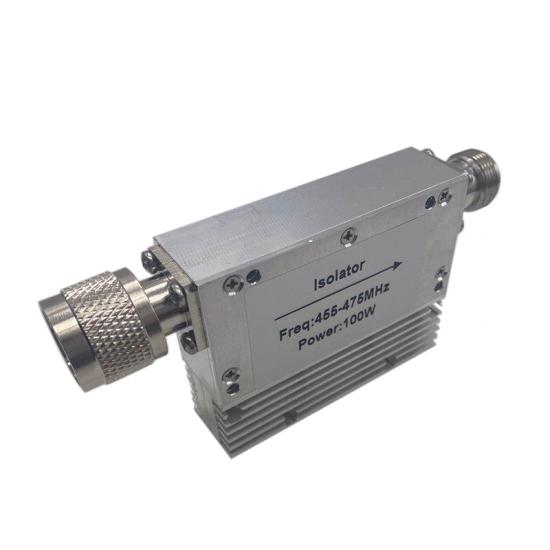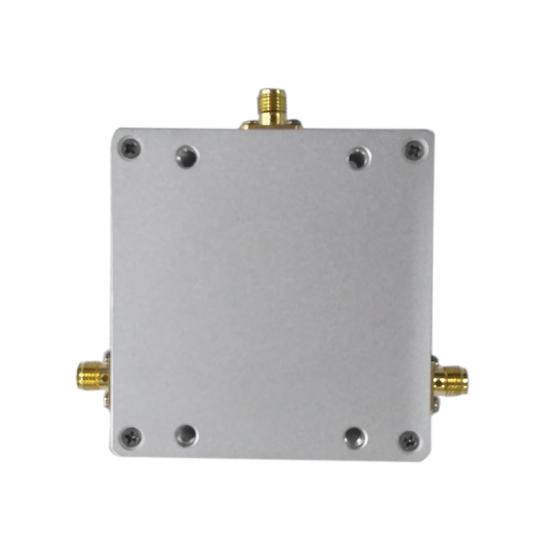


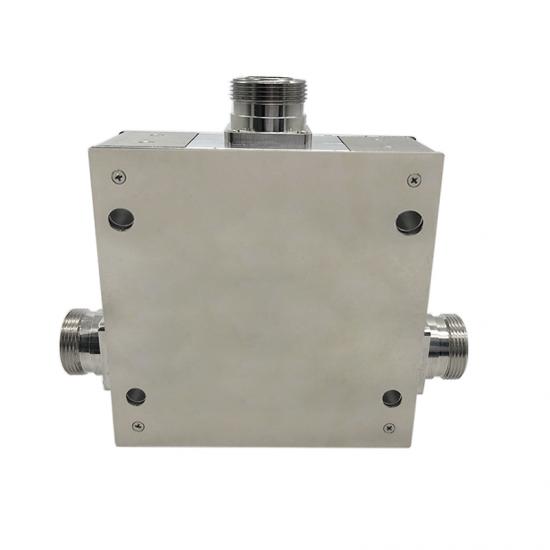
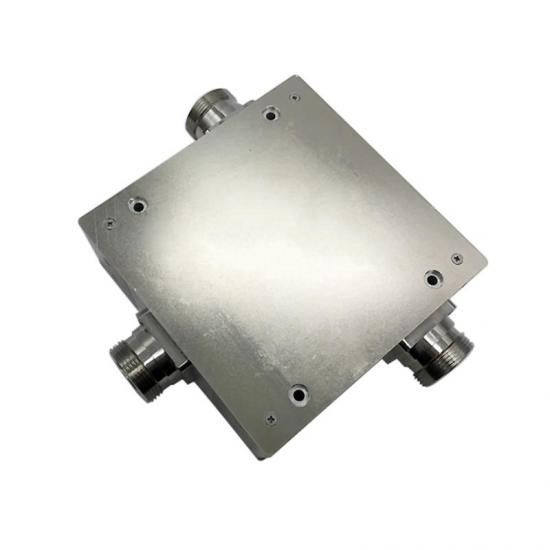
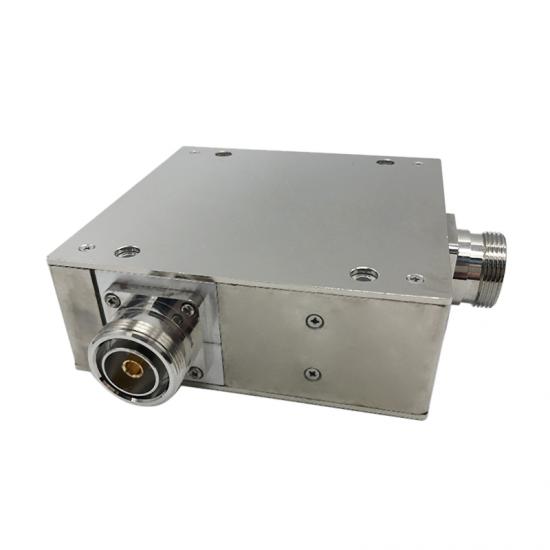
Product Overview
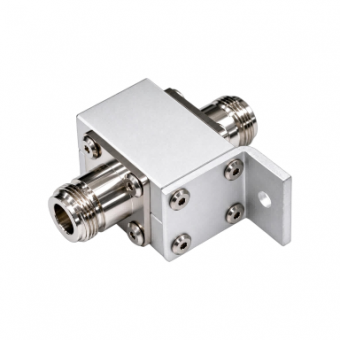
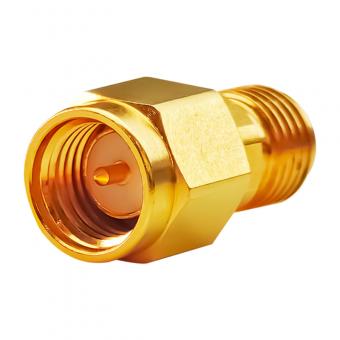
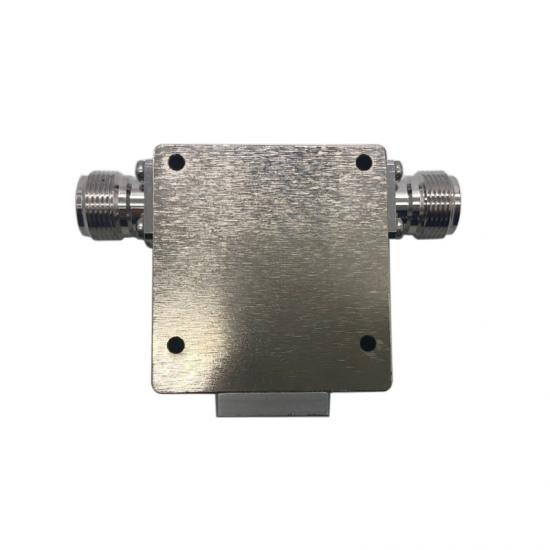
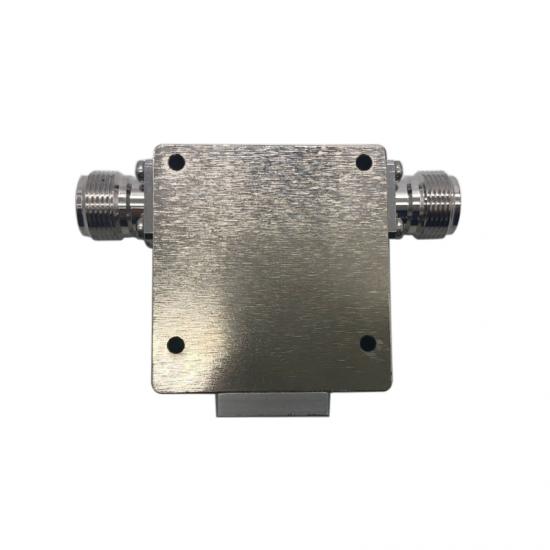
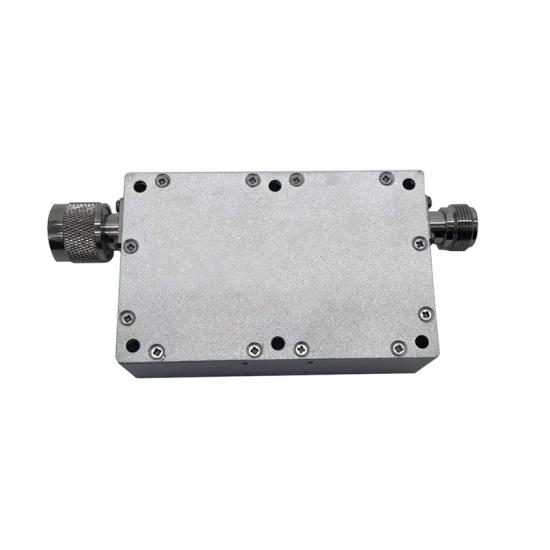
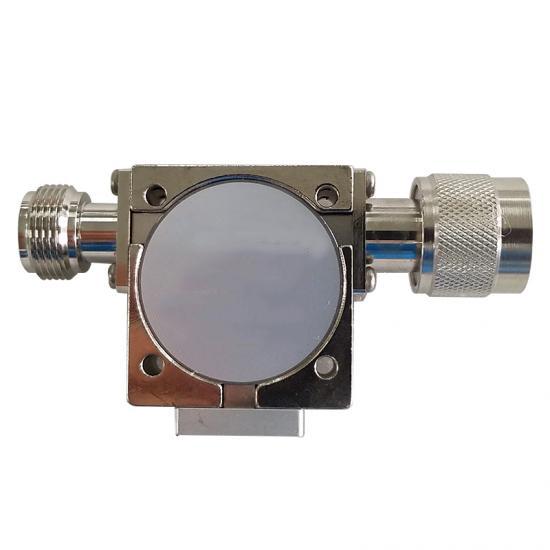
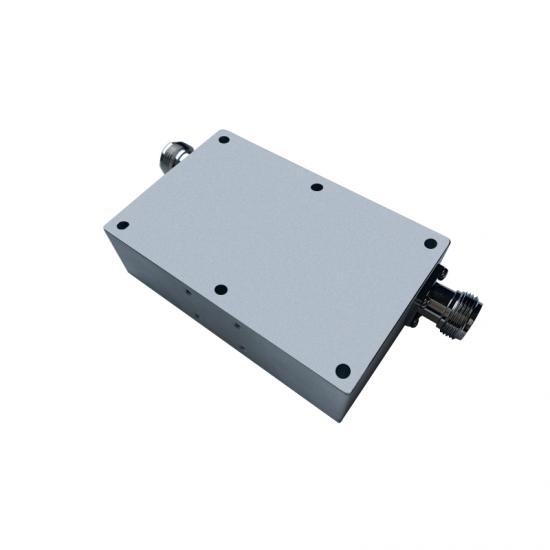
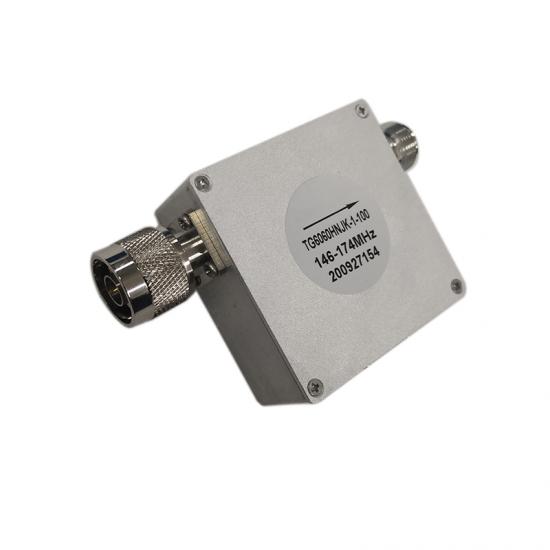
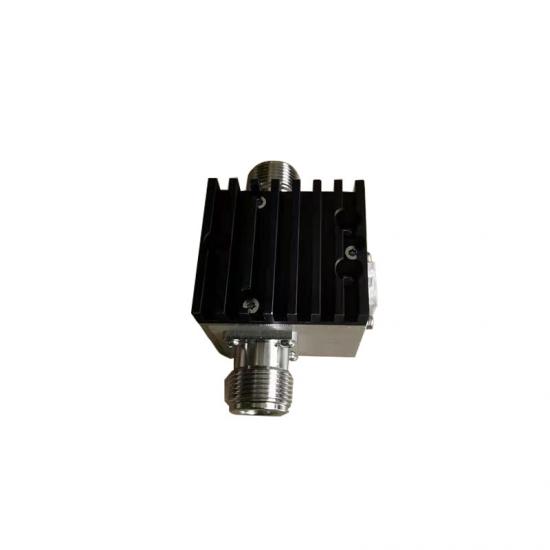
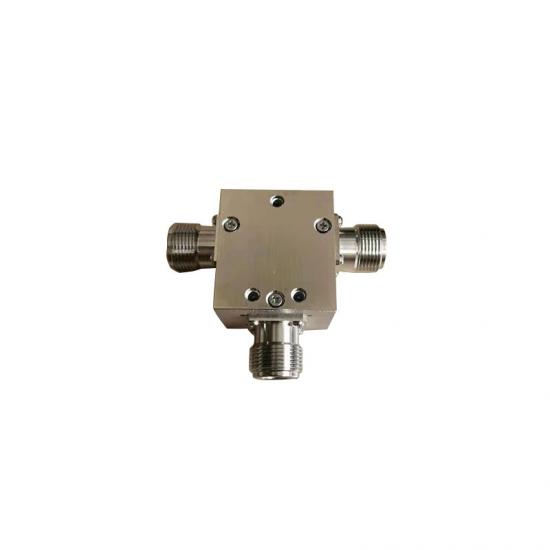
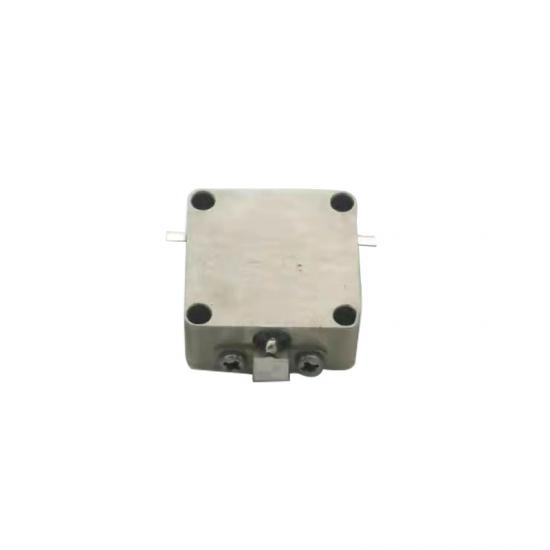
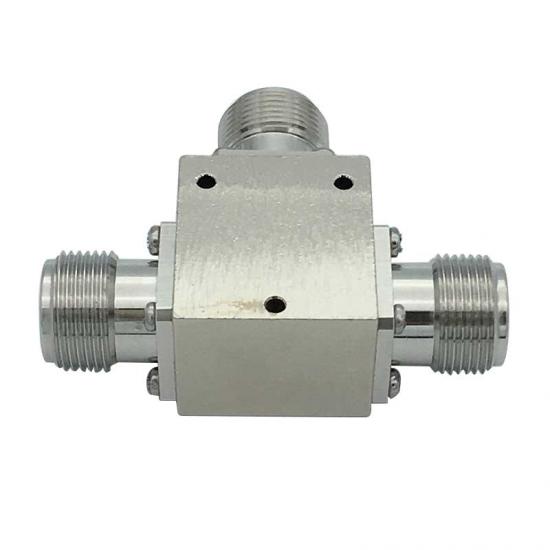
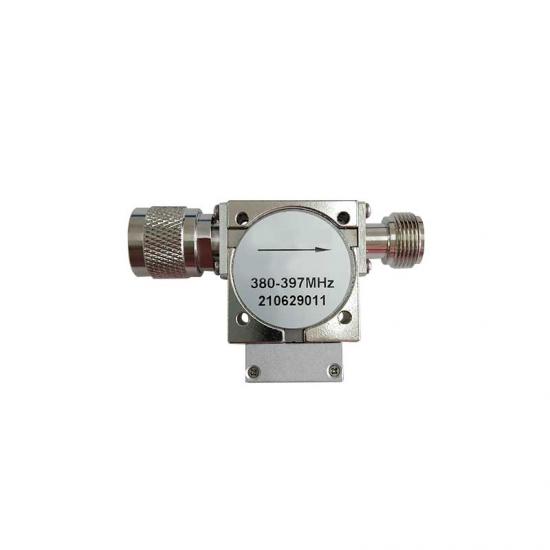
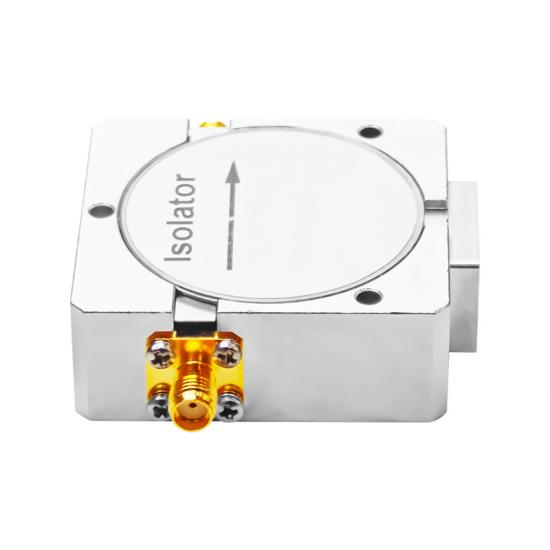
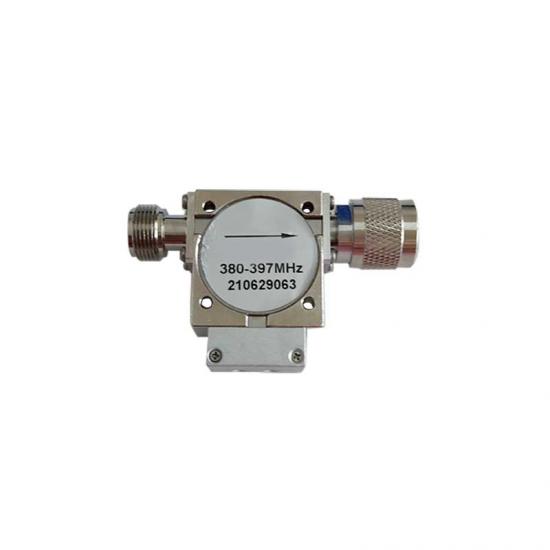
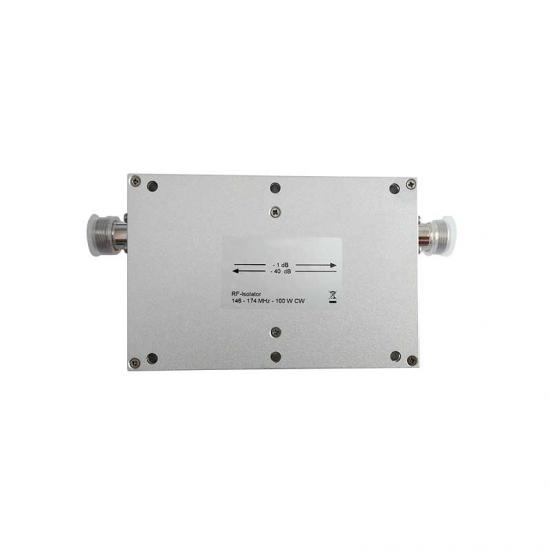
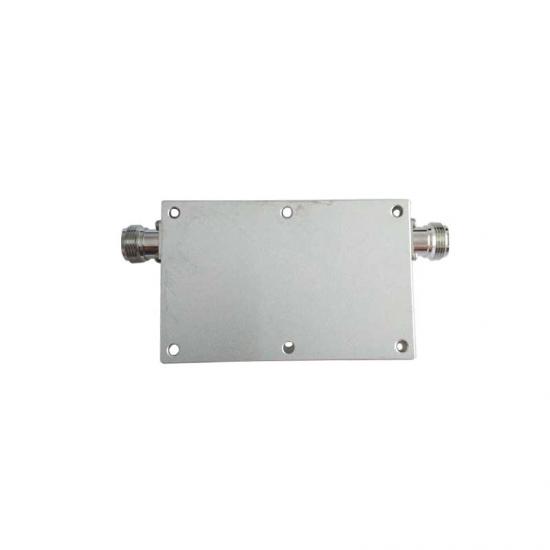
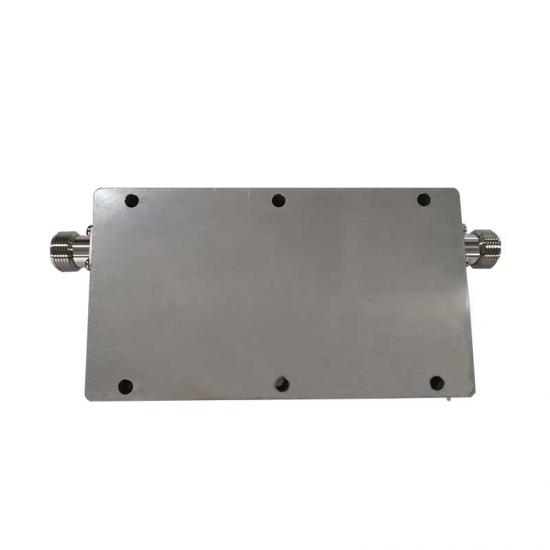
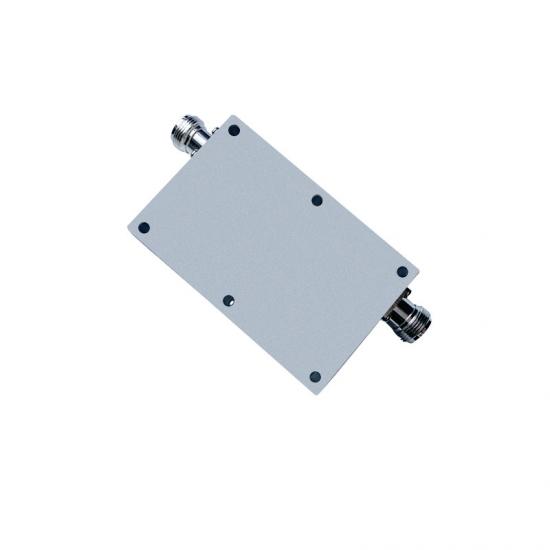
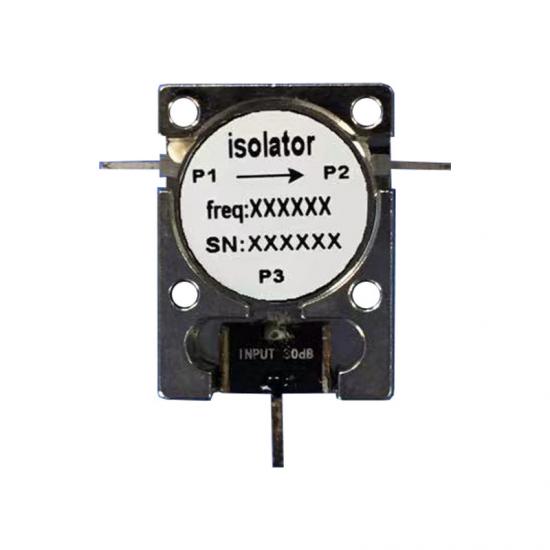
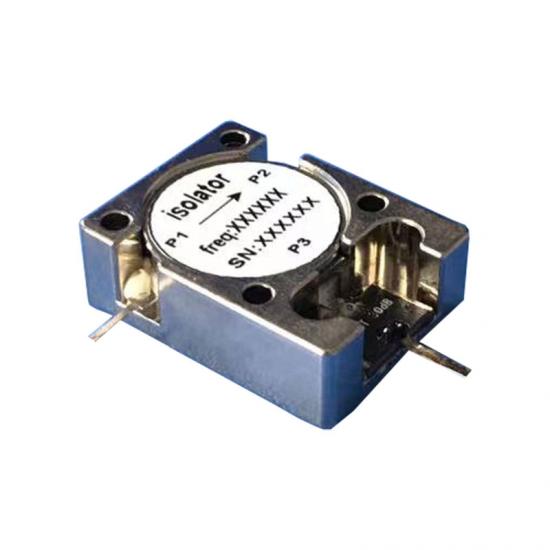
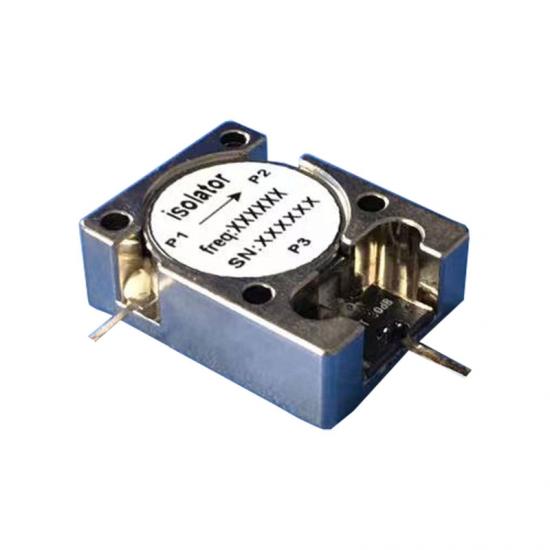
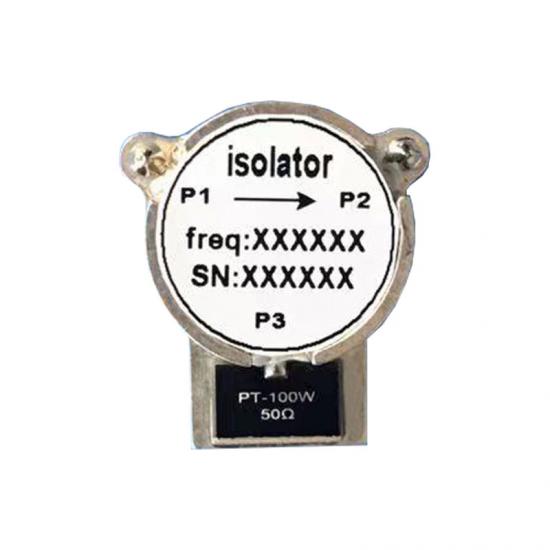
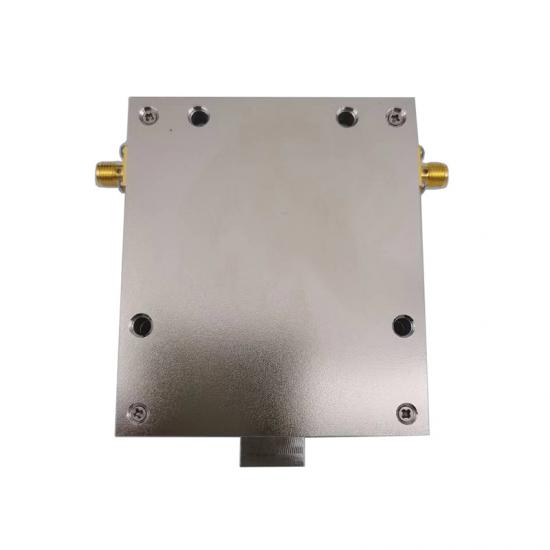
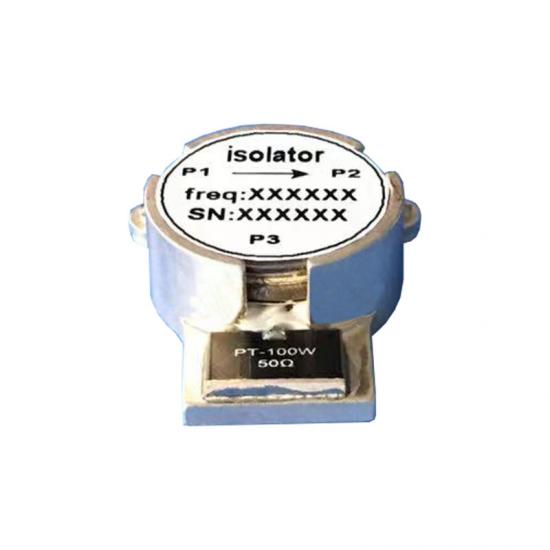
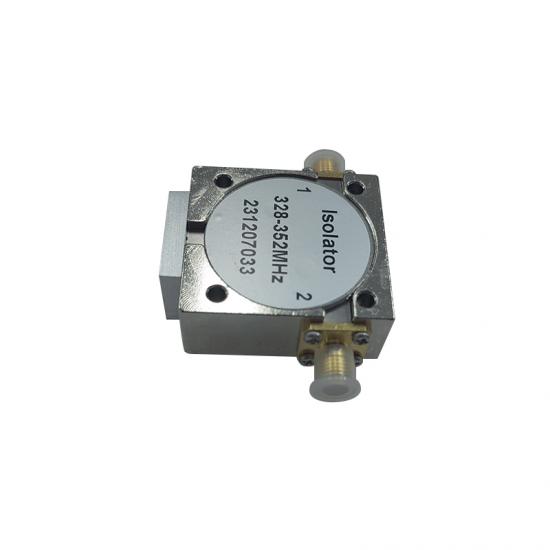
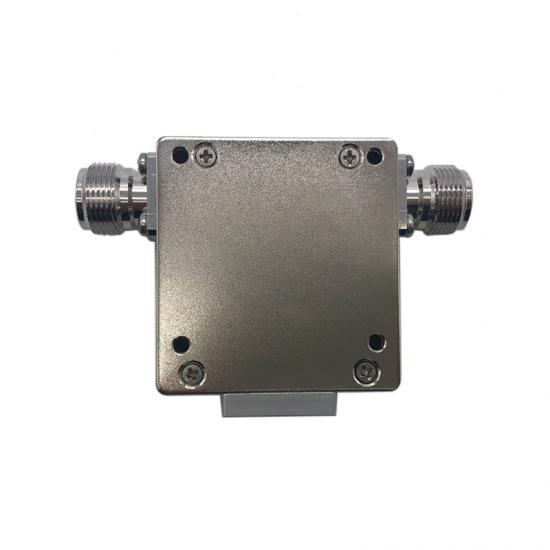
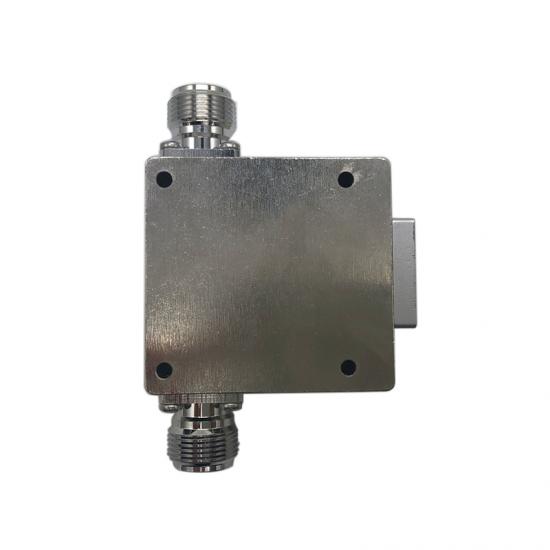
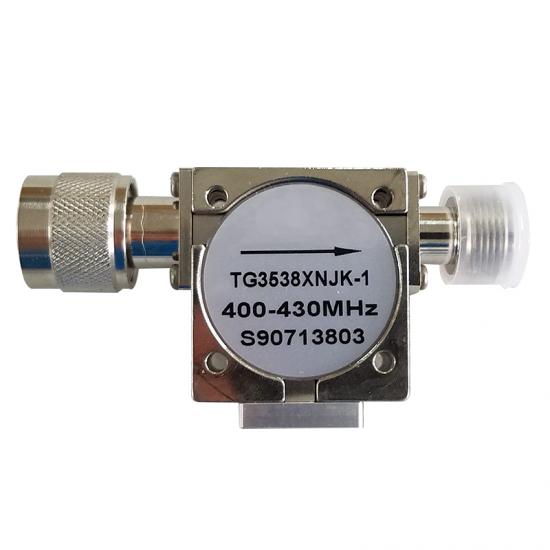
Designed for high-power broadcast, military, and commercial RF systems, this Coaxial Isolator operates in the 170-210MHz frequency band. Built with a robust DIN (L29) connector type, it is capable of handling a continuous wave (CW) power of 900W and peak power up to 4500W. With its exceptionally low insertion loss (≤0.35dB) and high isolation, it provides critical protection for expensive power amplifiers by effectively managing reflected signals, ensuring system longevity in demanding environments.
Technical & Mechanical Specifications
| Electrical Specifications | |
| Frequency Range | 170-210 MHz |
| Power Rating (CW) | 900 W |
| Peak Power | 4500 W |
| Insertion Loss | ≤ 0.35 dB |
| Isolation | ≥ 20 dB |
| VSWR | ≤ 1.20 |
| Mechanical & Environmental | |
| Connector Type | DIN (L29) Female |
| Operating Temperature | -30°C to +60°C |
Frequently Asked Questions
- Q1: Why is the DIN (L29) connector used for this specific isolator?
- A: The DIN 7/16 (L29) connector is designed specifically for high-power applications. It provides superior contact pressure and heat dissipation compared to smaller connectors like N-type, which is essential for handling the 900W CW power level of this device.
- Q2: How does the ≤0.35dB insertion loss benefit high-power transmitters?
- A: In 900W systems, even a small percentage of power loss translates into significant heat. A very low insertion loss of 0.35dB ensures that maximum power reaches the antenna while minimizing heat generation within the isolator itself, increasing overall system efficiency.
- Q3: What is the importance of the 4500W peak power rating?
- A: Many RF signals (like pulse radar or digital TV signals) have high peak-to-average power ratios (PAPR). The 4500W peak power capability ensures the isolator can handle these instantaneous spikes without internal arcing or damage.
- Q4: Can this isolator be used for VHF broadcast applications?
- A: Yes, the 170-210MHz range covers essential VHF frequency bands used for digital radio and television broadcasting. It is ideal for protecting VHF transmitters from mismatched filter or antenna reflections.
- Q5: Is there a specific mounting orientation required for heat dissipation?
- A: Due to the high power rating (900W), it is recommended to mount the isolator on a heat-conductive surface or a dedicated heatsink. Ensuring the operating temperature stays within -30°C to +60°C is critical for maintaining stable electrical performance.
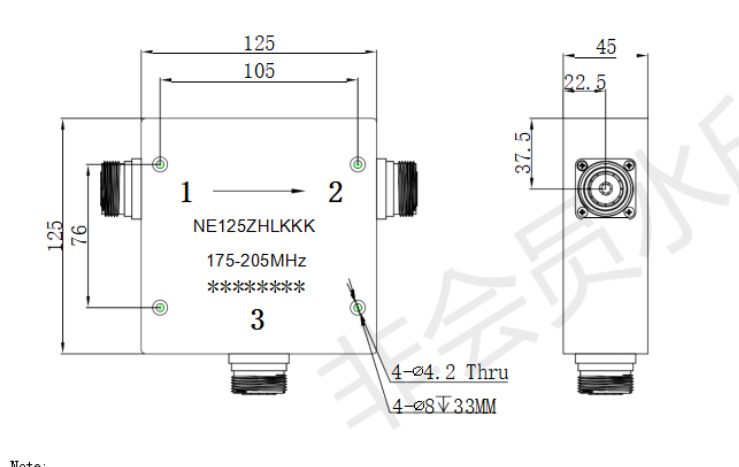
Mechanical Drawing (mm)