


Product Overview
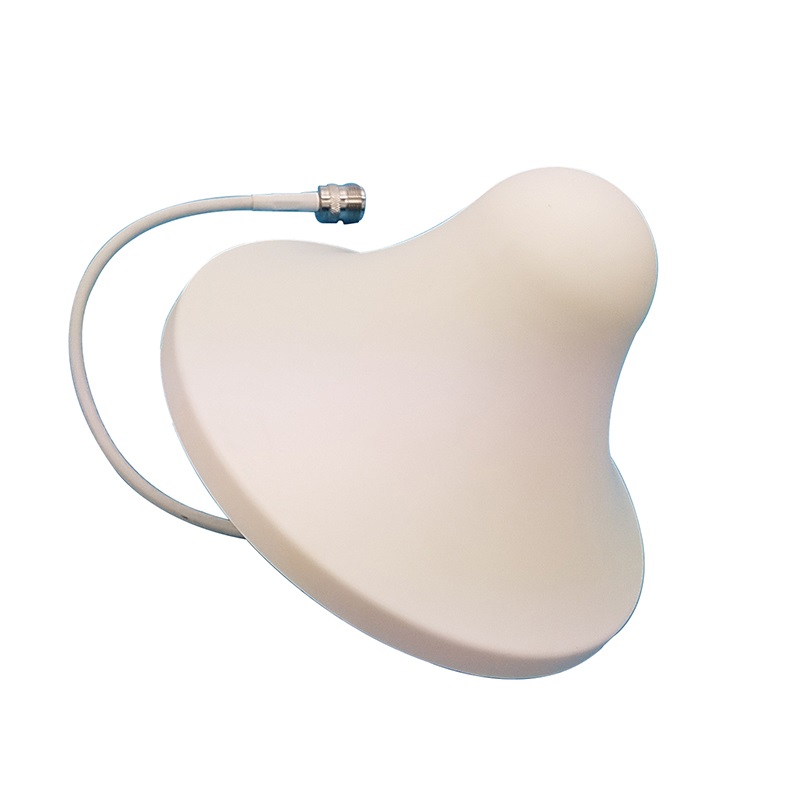
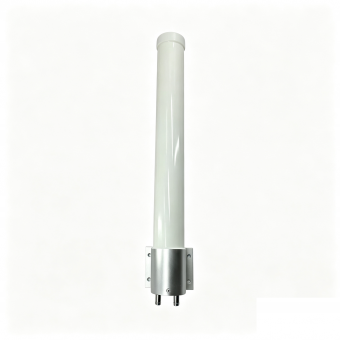
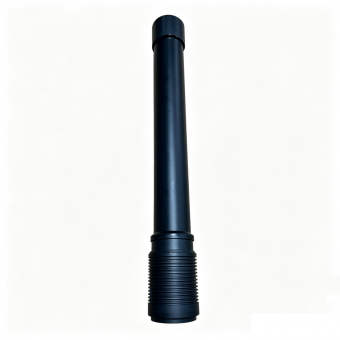
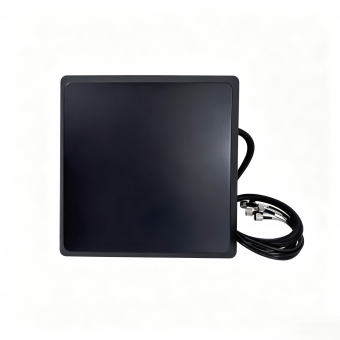
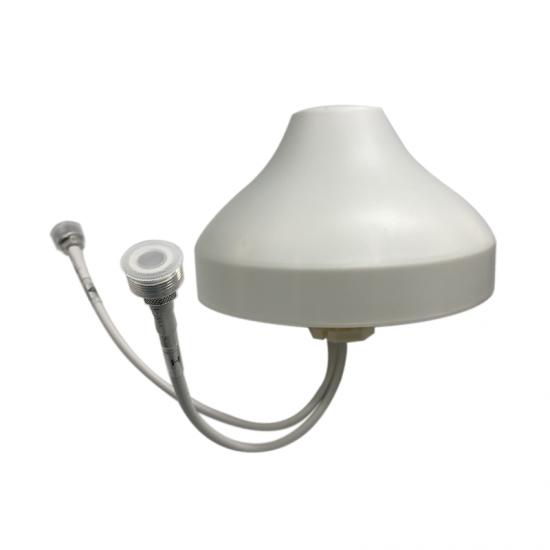
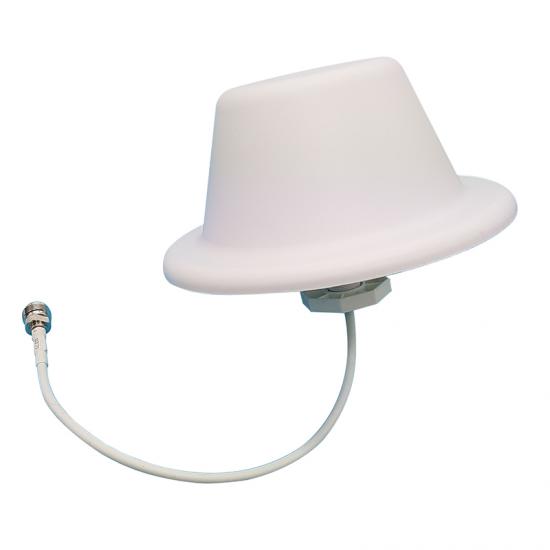
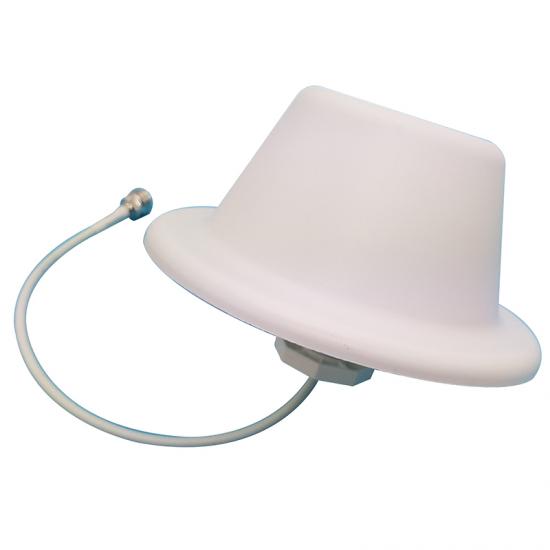
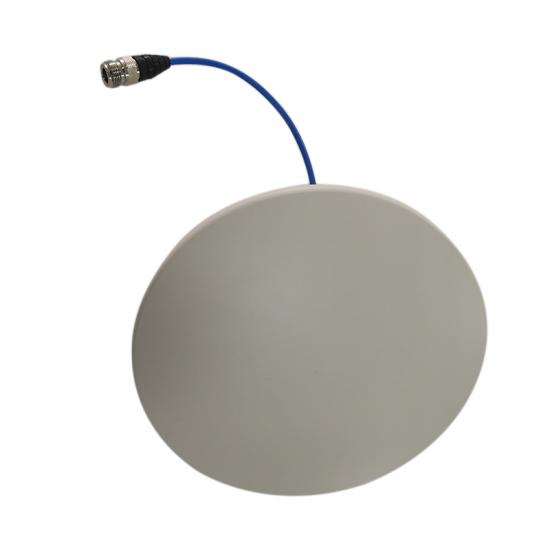
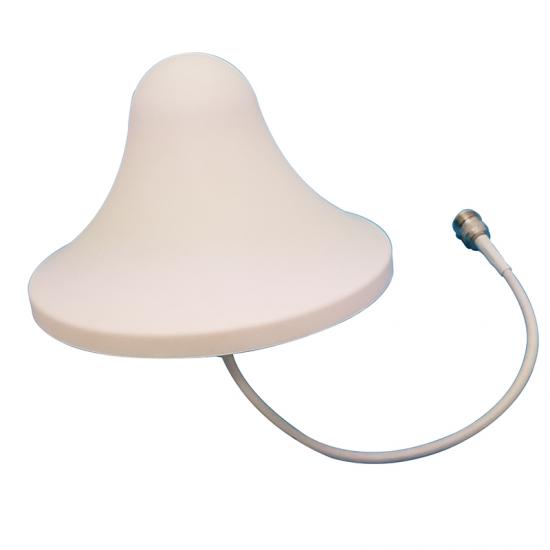
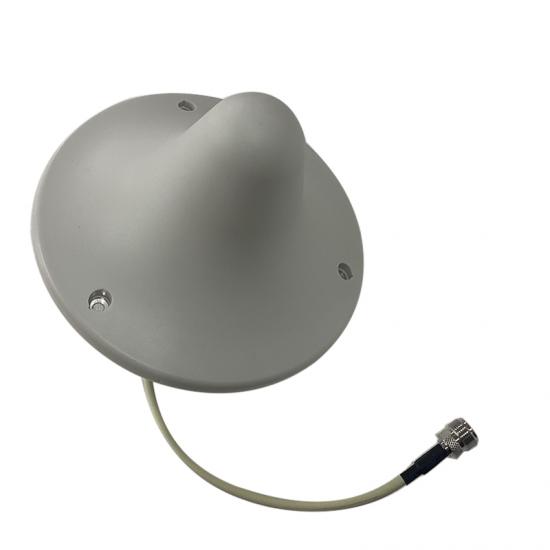
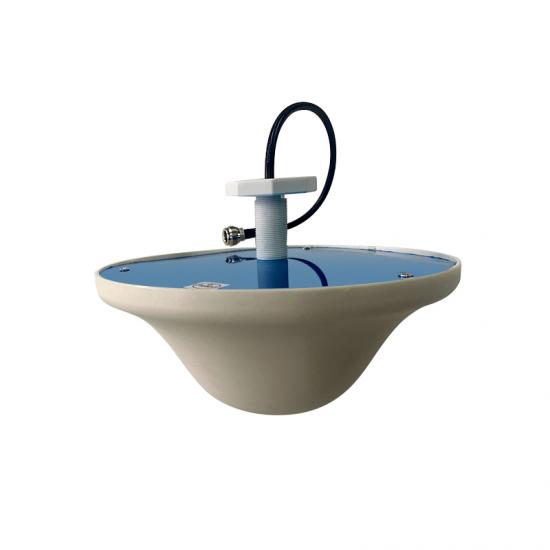
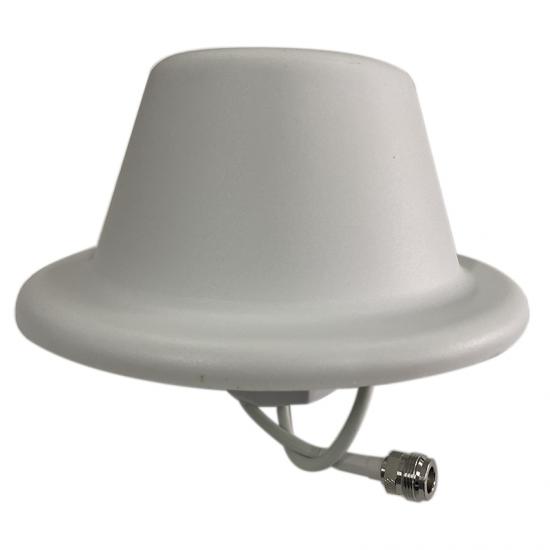
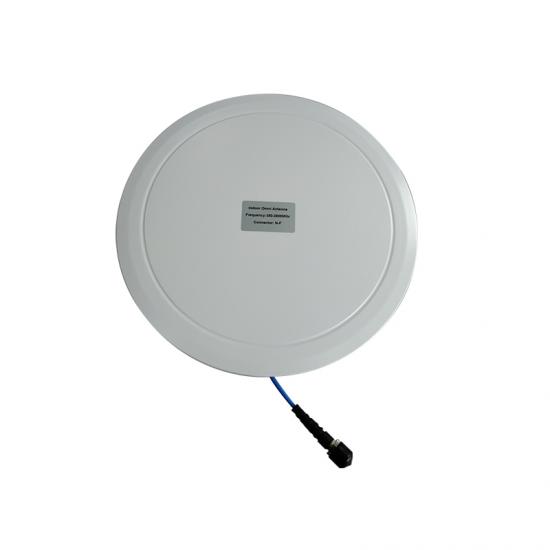
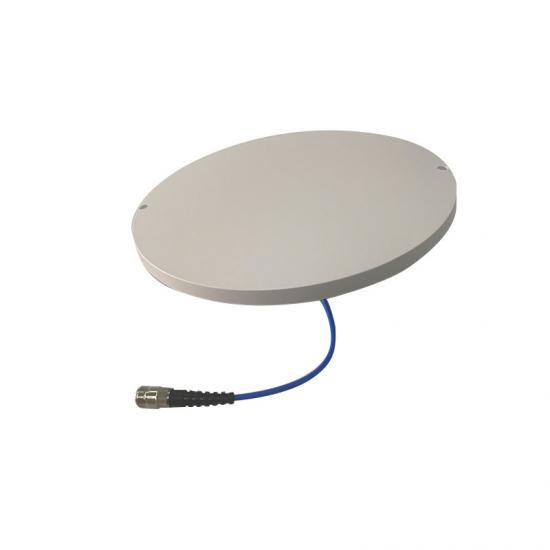
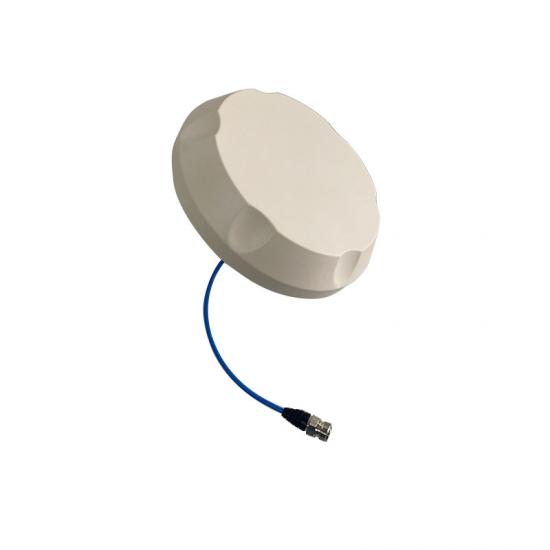
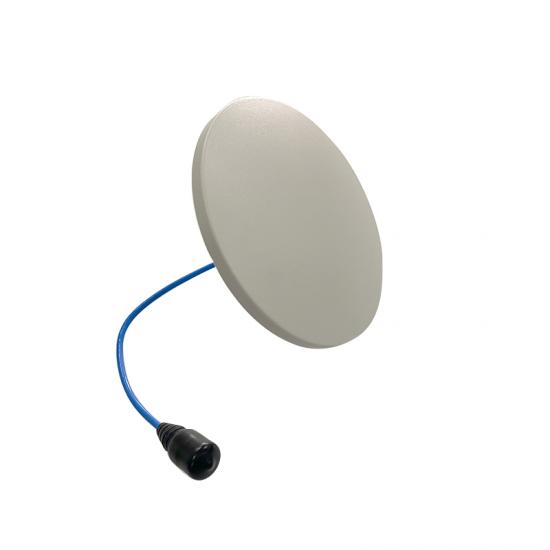
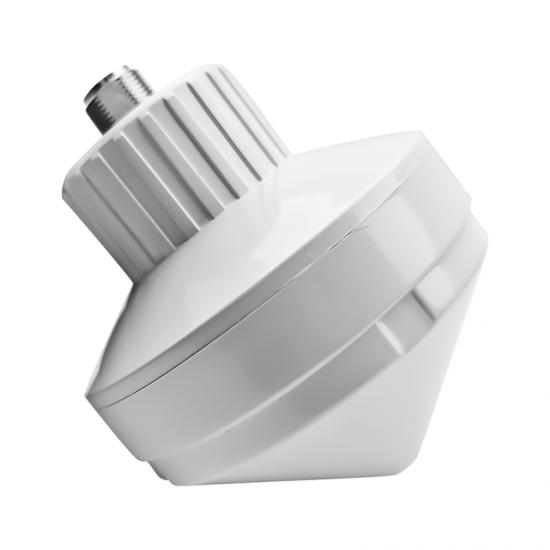
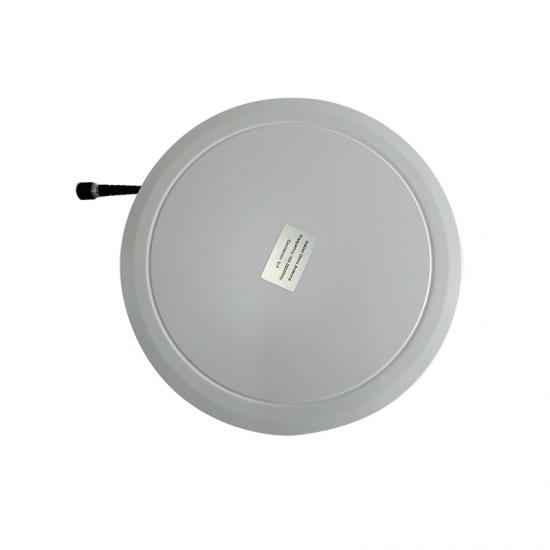
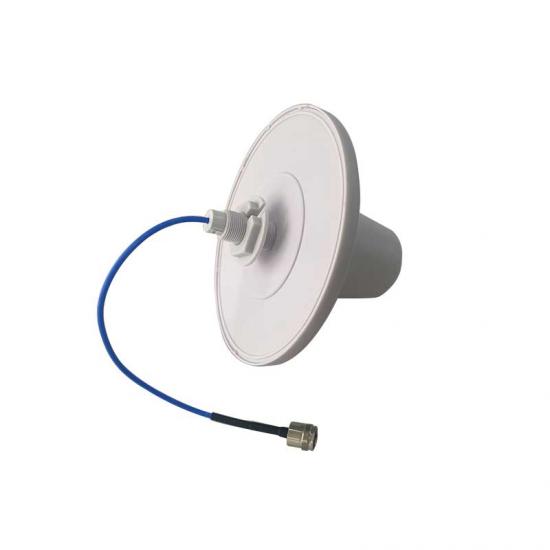
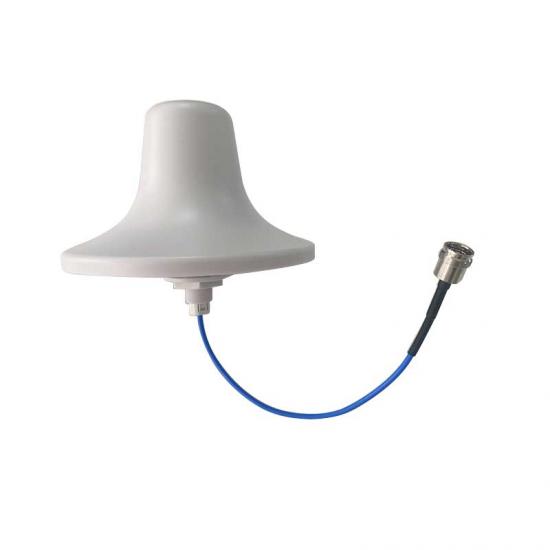
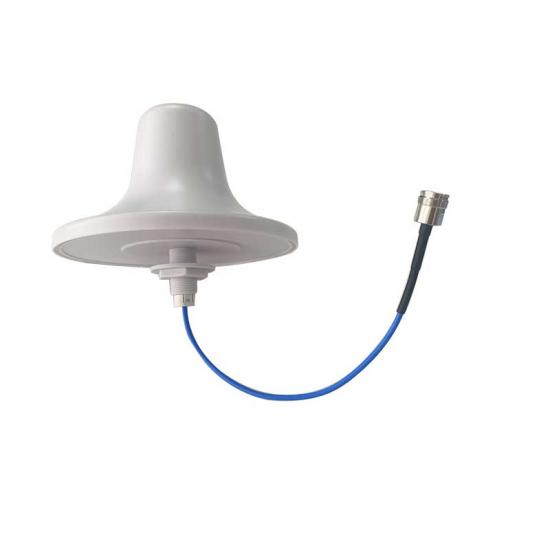
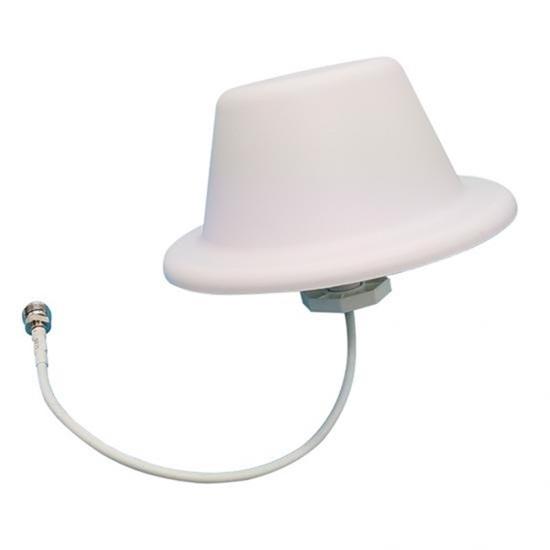
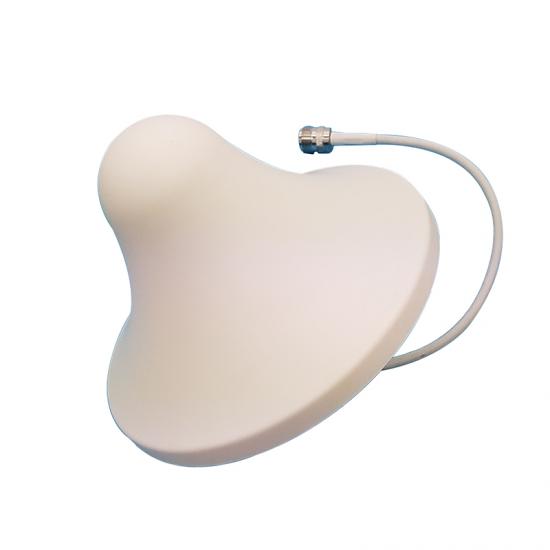
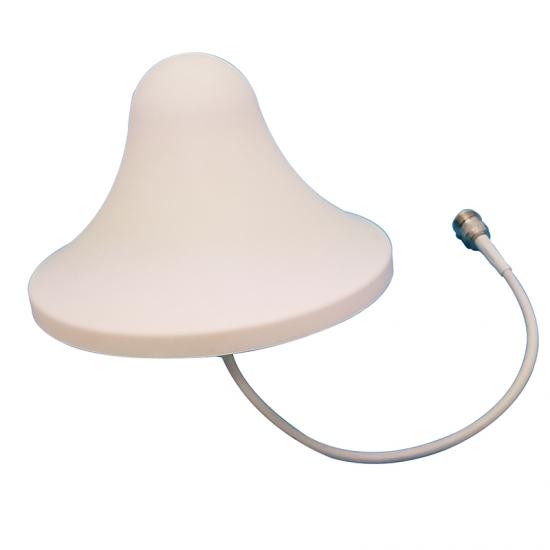
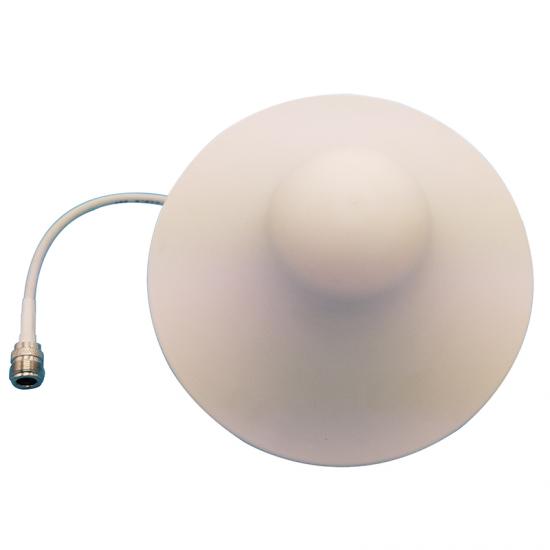
The MOA-738-PP-NF is a high-performance, wideband Omni-Directional Ceiling Antenna designed for comprehensive 698-3800MHz coverage. This ultra-wideband antenna is a core component for modern In-building Solutions (IBS), supporting 2G, 3G, 4G, LTE, and emerging 5G sub-6GHz frequencies. Its low-profile design allows for discrete mounting on ceilings, providing uniform 360-degree signal distribution to eliminate dead zones in offices, malls, and commercial buildings.
Technical & Mechanical Specifications
| General Information | |
| Model No. | MOA-738-PP-NF |
| Frequency Range | 698 - 3800 MHz |
| Electrical Specifications | |
| Gain | 3 ± 1 dBi / 5dBi |
| VSWR | ≤ 1.8 |
| Polarization | Vertical |
| Maximum Power | 50 W |
| Nominal Impedance | 50 Ω |
| Lightning Protection | DC Grounding |
| Mechanical Specifications | |
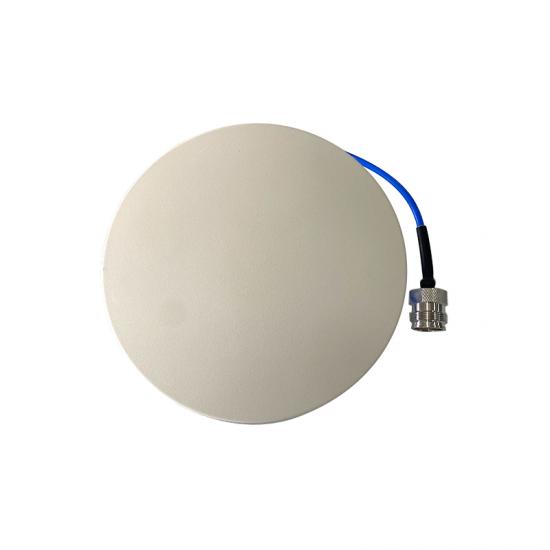
| Connector Type | N-Female |
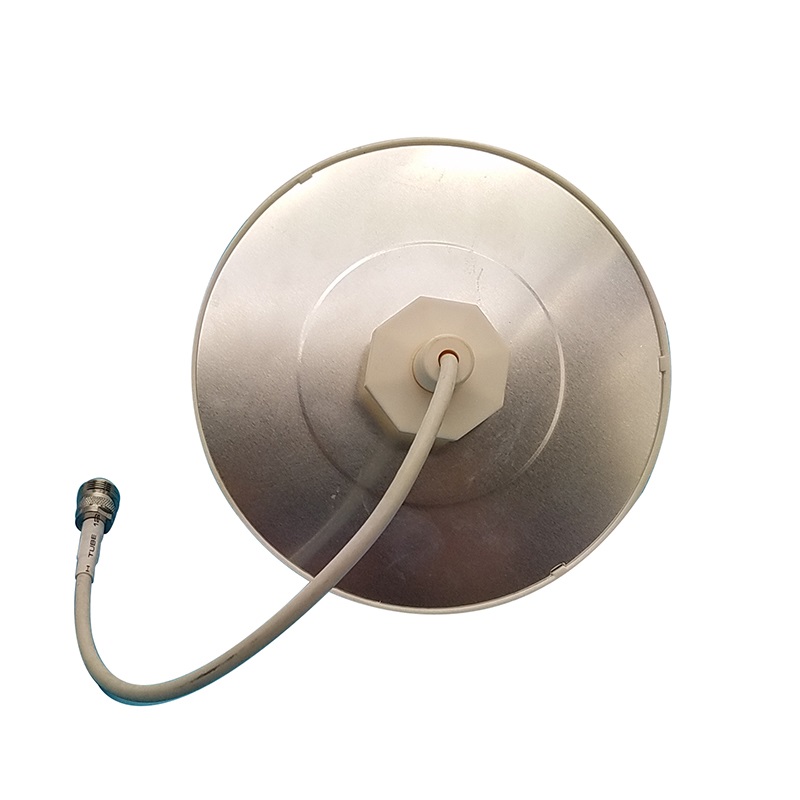
| Mounting Style | Ceiling Mount |
Frequently Asked Questions
- Q1: What does "Omni-Directional" mean for indoor signal coverage?
- A: An Omni-Directional antenna radiates signal in a 360-degree horizontal pattern. This ensures that mobile users receive consistent signal strength regardless of their position relative to the antenna, making it perfect for open-plan offices and retail spaces.
- Q2: Does this antenna support 5G networks?
- A: Yes. With its wide frequency range extending up to 3800MHz, it covers the most common 5G sub-6GHz bands (such as n77 and n78), as well as all standard 4G LTE and 3G bands.
- Q3: How is the MOA-738-PP-NF typically installed?
- A: It is designed for Ceiling Mounting. The antenna usually features a screw-thread and nut system that allows it to be securely fastened through a standard ceiling tile, with the cable connection hidden above the ceiling.
- Q4: Why is "DC Grounding" important for an indoor antenna?
- A: DC Grounding provides a path for static electricity to discharge. While indoor antennas are less prone to direct lightning strikes than outdoor ones, this feature protects sensitive active equipment (like repeaters or base stations) from static buildup and surges.
- Q5: Can I use this antenna with a standard N-type cable?
- A: Yes, it features a standard N-Female connector. It can be easily connected to 1/2" or 7/8" feeder cables using the appropriate N-Male jumpers commonly used in telecom infrastructure.
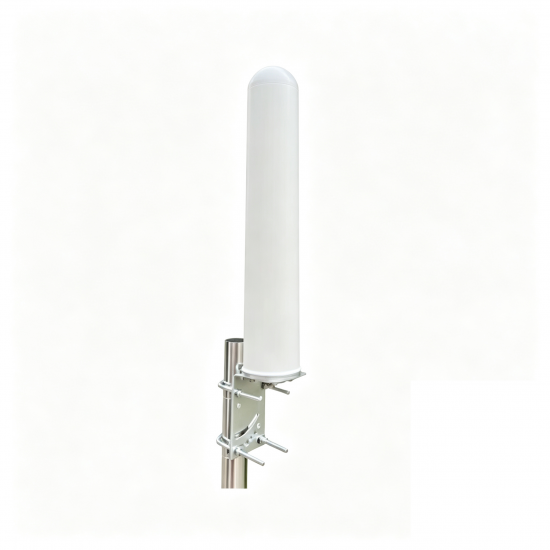
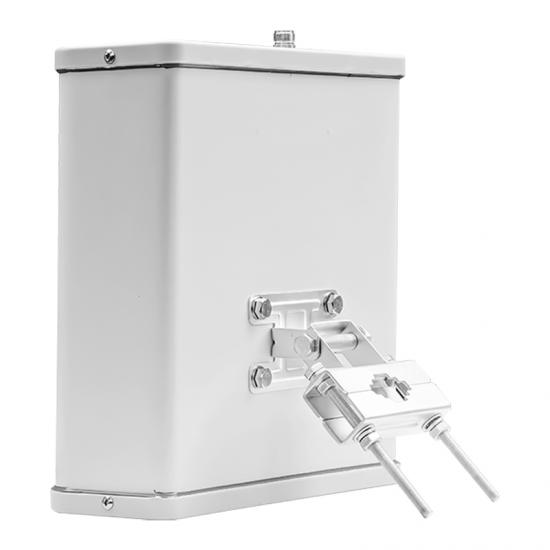
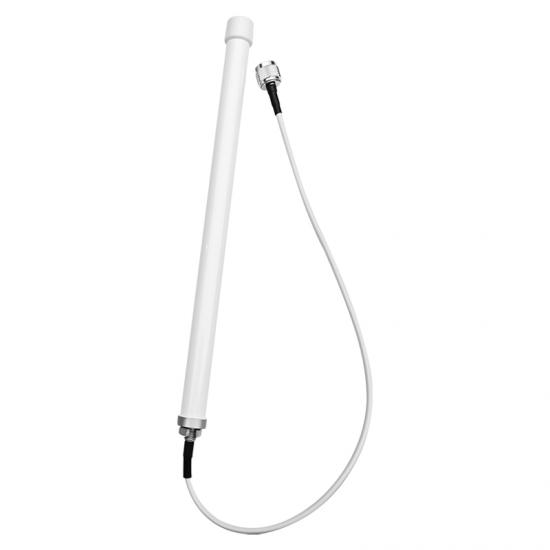
Products Picture