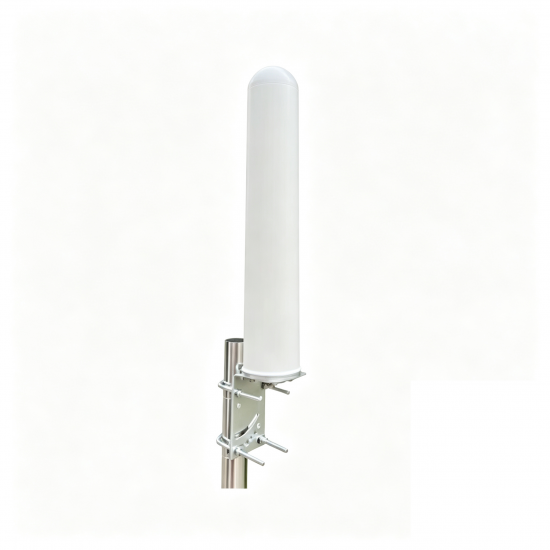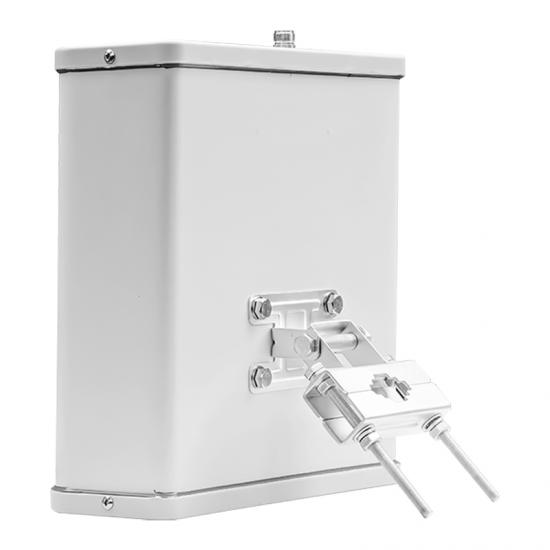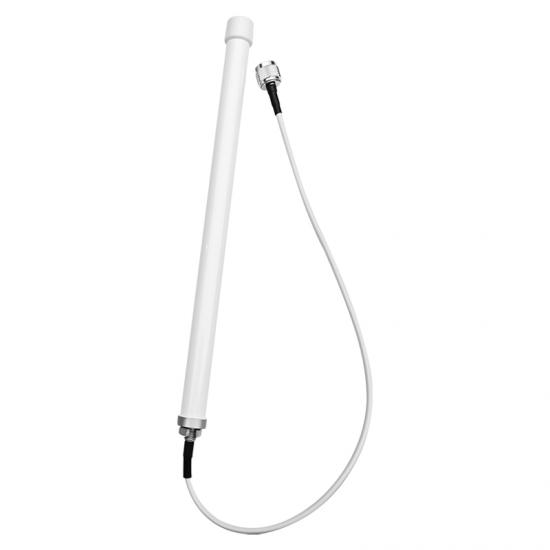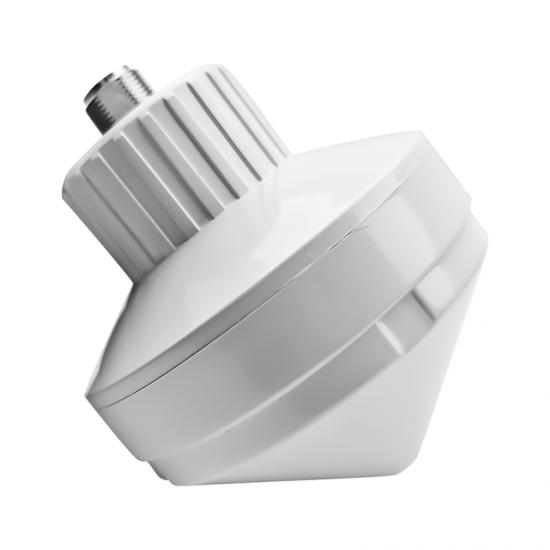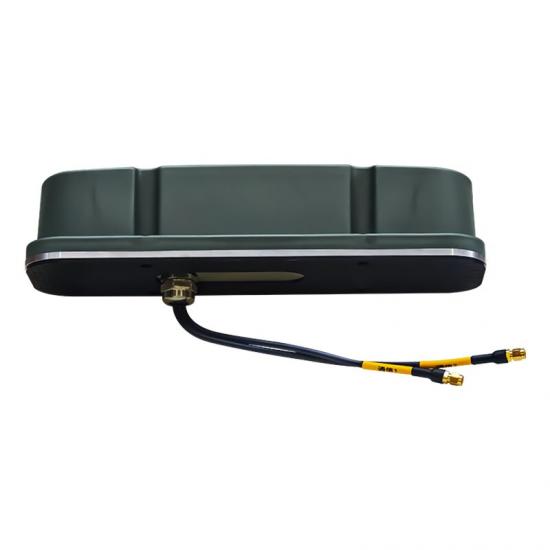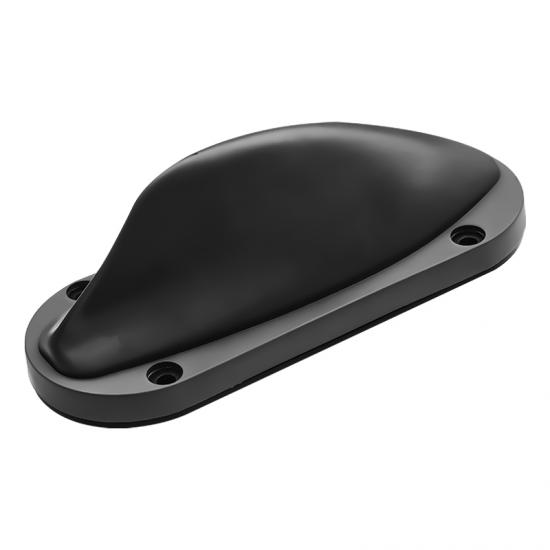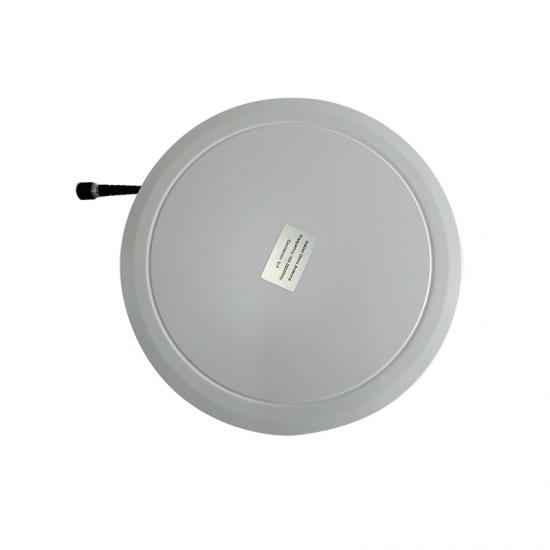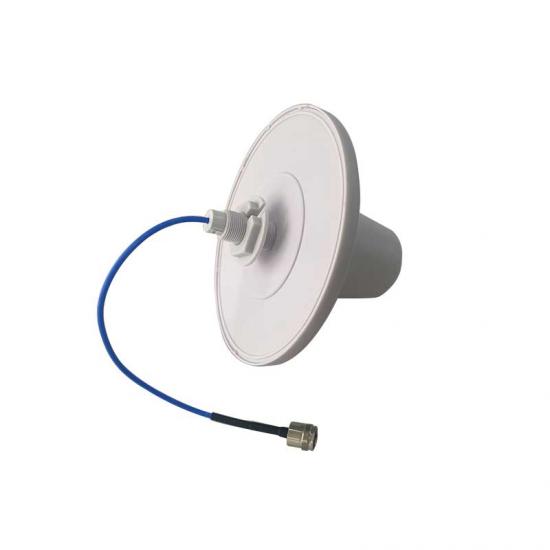


Product Overview
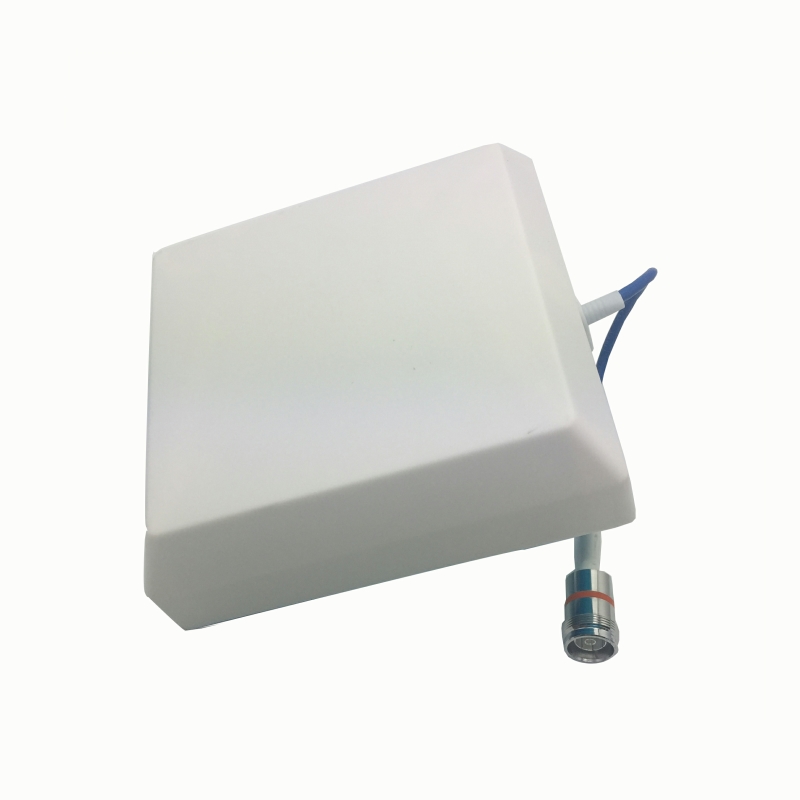
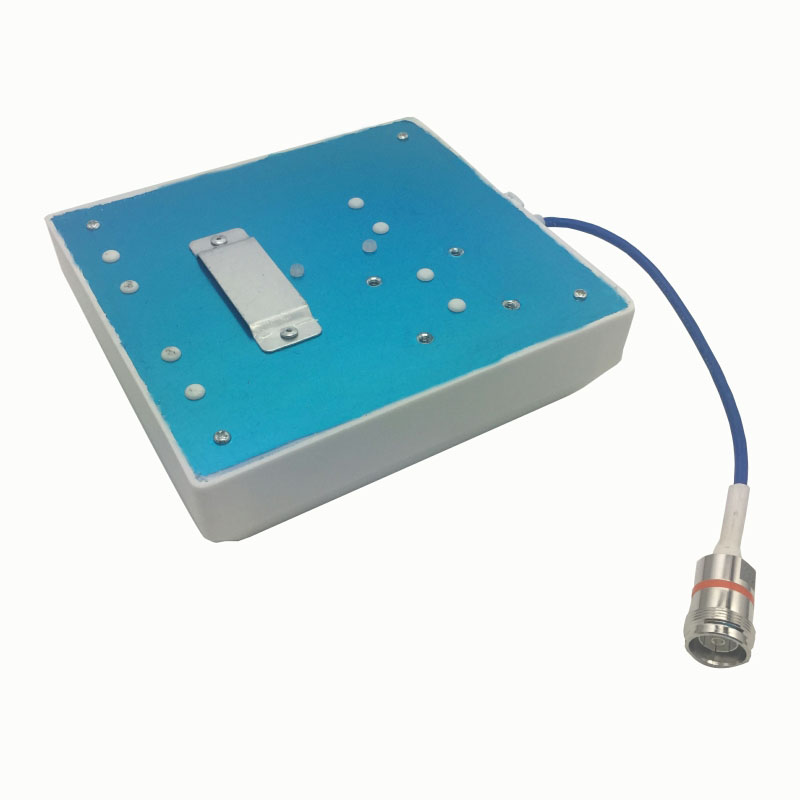
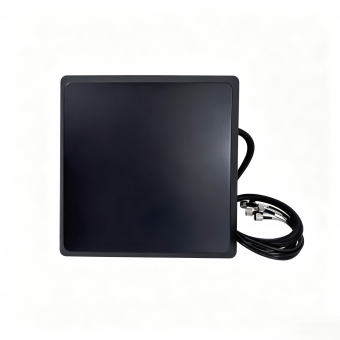
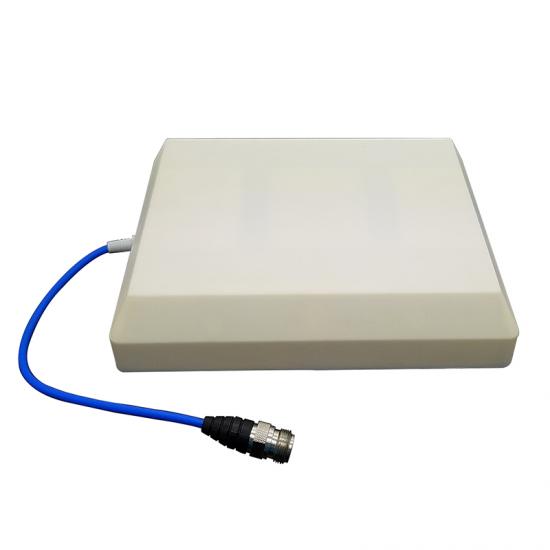
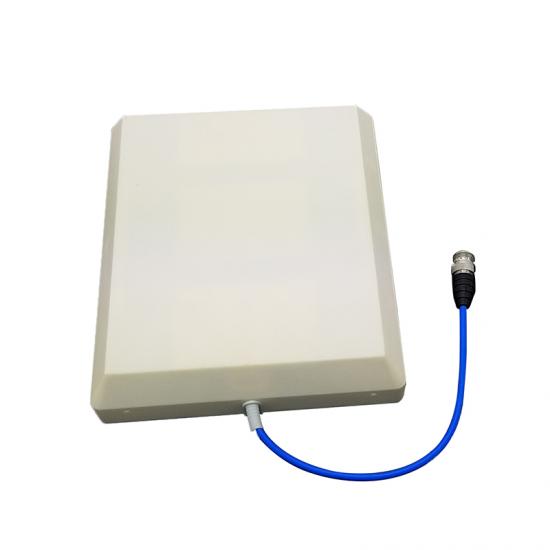
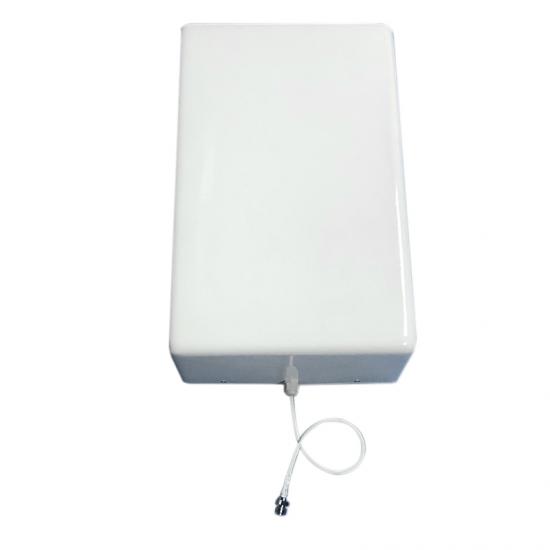
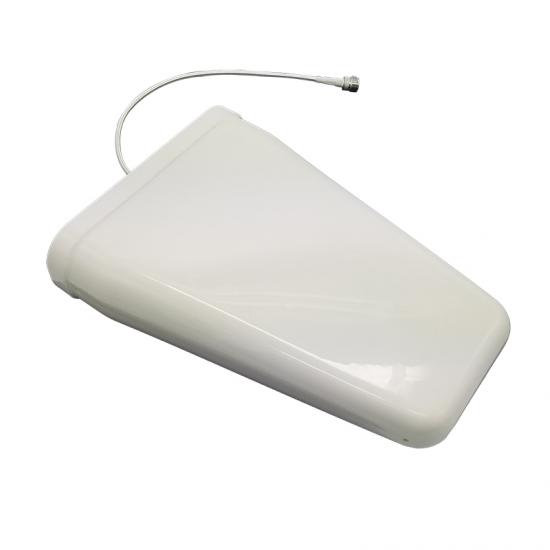
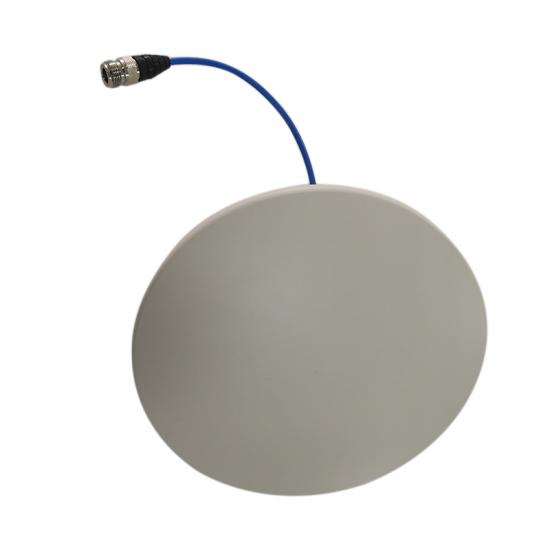
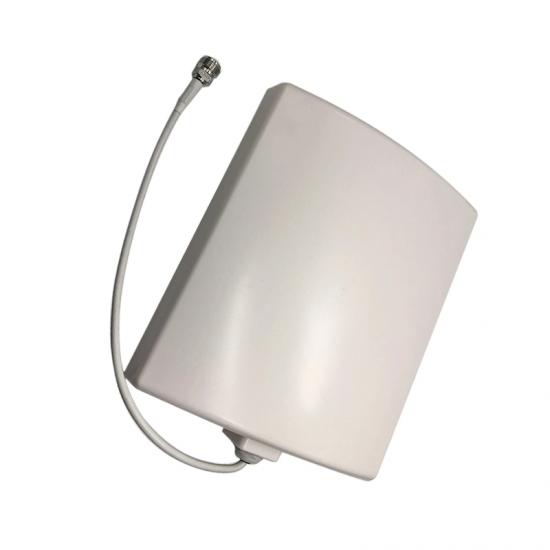
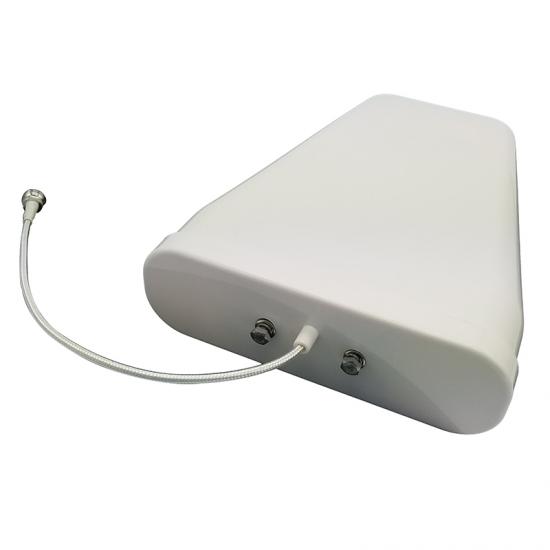
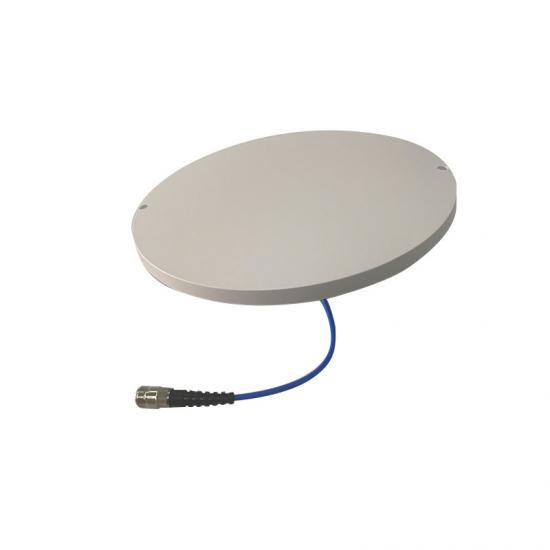
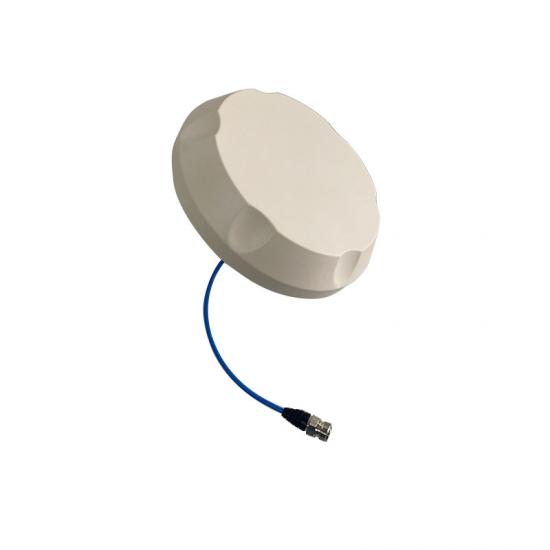
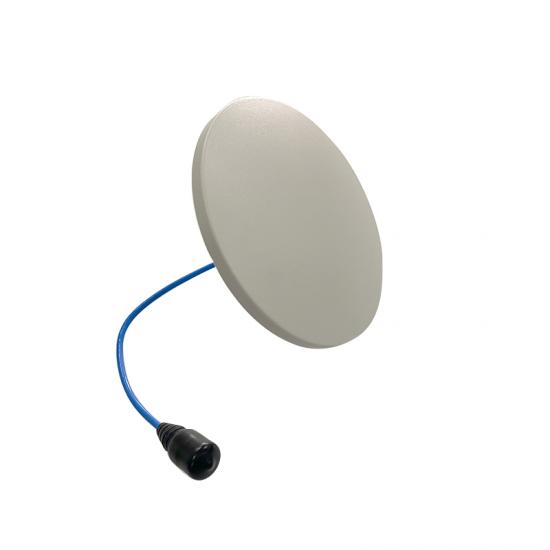
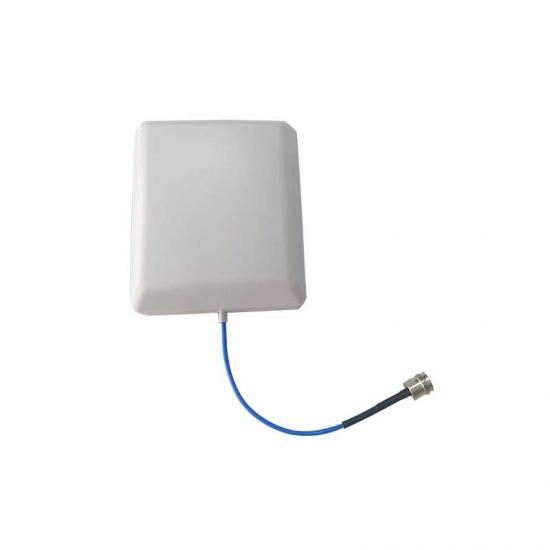
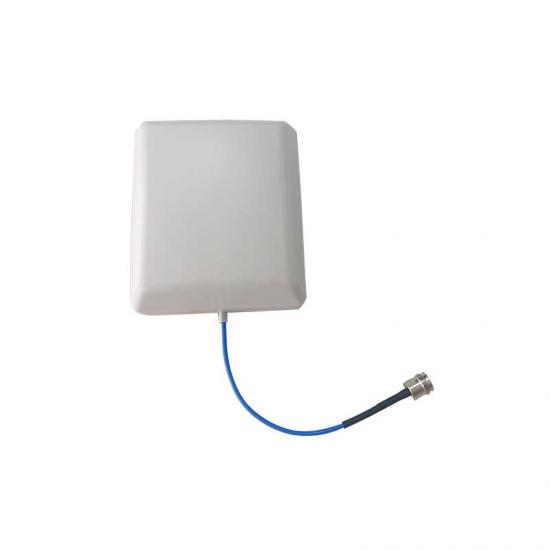
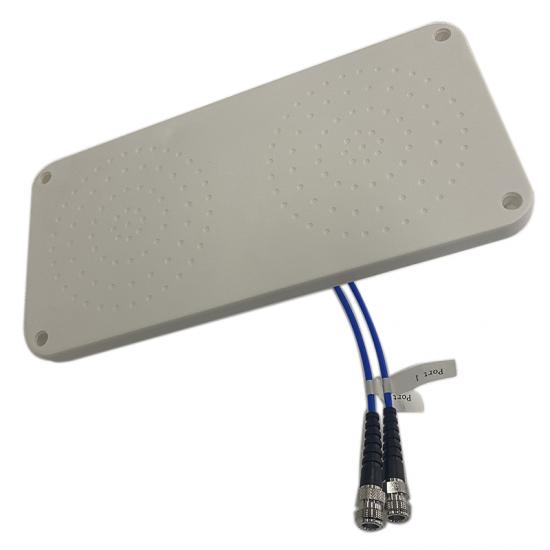
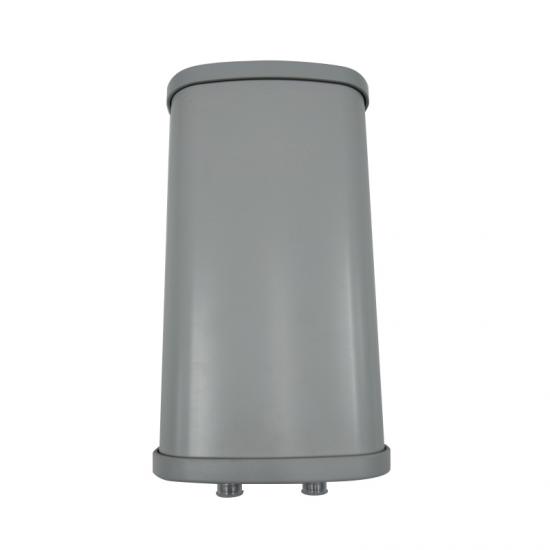
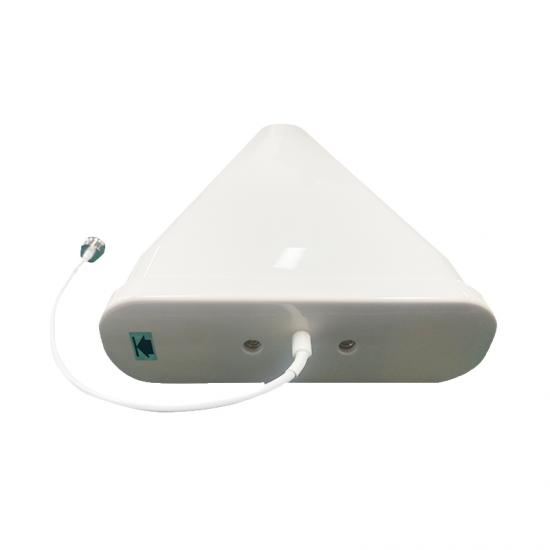
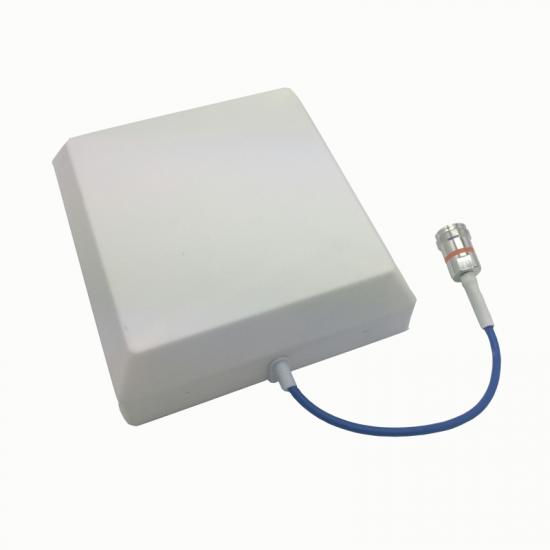
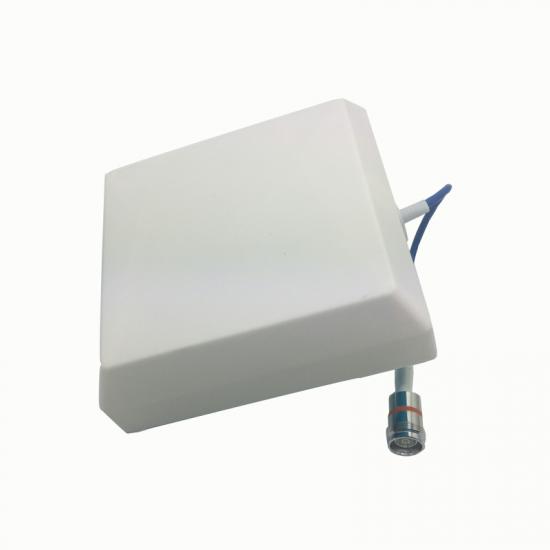
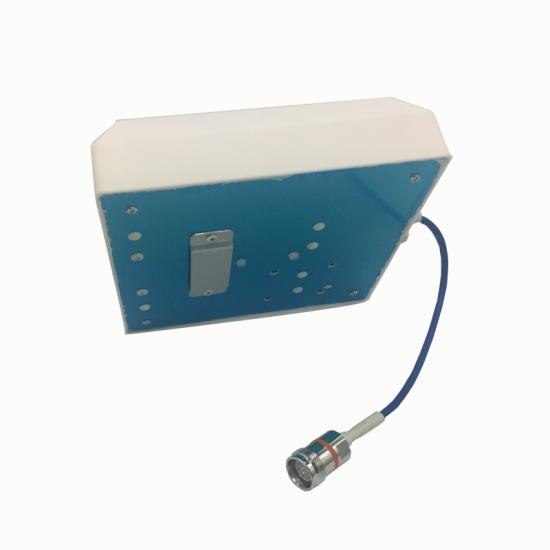
The MNA-738-7dBi-41F is an advanced wideband directional panel antenna supporting an ultra-wide frequency range from 698MHz up to 3800MHz. This antenna is perfectly suited for modern 5G NR, 4G LTE, and 3G/2G network integration within professional In-building Solutions (IBS). Featuring a high-performance 4.3-10 Female connector and exceptional PIM ratings, it ensures superior signal quality and massive data throughput in high-density environments.
Technical & Mechanical Specifications
| Parameter | Specifications by Frequency Band | ||
|---|---|---|---|
| Model No. | MNA-738-7dBi-41F | ||
| Frequency (MHz) | 698-960 | 1710-2700 | 3200-3800 |
| Gain (dBi) | 5 ± 1dBi | 7 ± 1dBi | 7 ± 1dBi |
| Front-to-Back Ratio | 12dB | 12dB | 18dB |
| Beamwidth (H / V) | H: 90±15° / V: 85° | H: 70±15° / V: 65° | H: 55° / V: 45° |
| Polarization | Vertical | ||
| PIM @ 2x33dBm | ≤ -150dBc | ||
| Input Impedance | 50 Ω | ||
| Maximum Power | 50 W | ||
| Connector Type | 4.3-10 Female | ||
Frequently Asked Questions
- Q1: Is this antenna compatible with the new 5G frequency bands?
- A: Yes, it is. The extended range up to 3800MHz specifically covers the 5G NR n77 and n78 bands, making it a future-proof choice for 5G indoor network deployments.
- Q2: Why is the -150dBc PIM rating important for this model?
- A: A Low PIM (≤-150dBc) rating ensures minimal passive intermodulation interference. This is crucial for maintaining high data speeds and preventing call drops in multi-carrier LTE and 5G networks.
- Q3: What are the benefits of the 4.3-10 connector over traditional N-type?
- A: The 4.3-10 Female connector is specifically designed for low PIM and high performance in a smaller footprint, offering better electrical stability and easier installation in modern telecommunications infrastructure.
- Q4: In which In-building scenarios is a directional panel antenna best utilized?
- A: Directional panel antennas are ideal for sectorized coverage in large venues, office corridors, and parking garages where you need to direct signal strength toward a specific area rather than radiating in 360 degrees.
- Q5: How does the Front-to-Back ratio affect network performance?
- A: A higher Front-to-Back ratio (up to 18dB) helps minimize interference behind the antenna. This allows engineers to place multiple antennas closer together in a Distributed Antenna System (DAS) without creating signal overlap issues.
Products Picture