

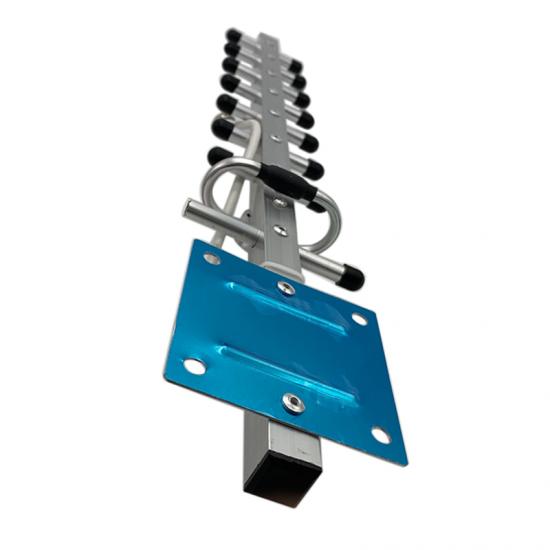
Product Overview
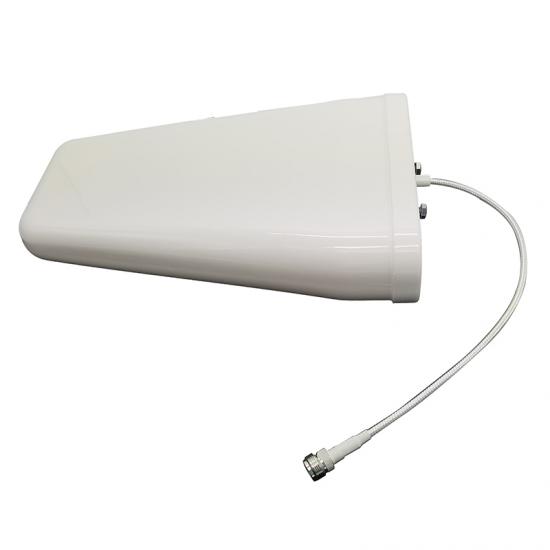
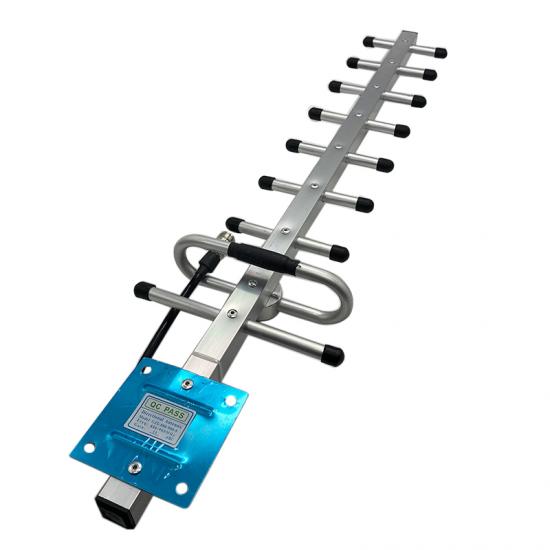
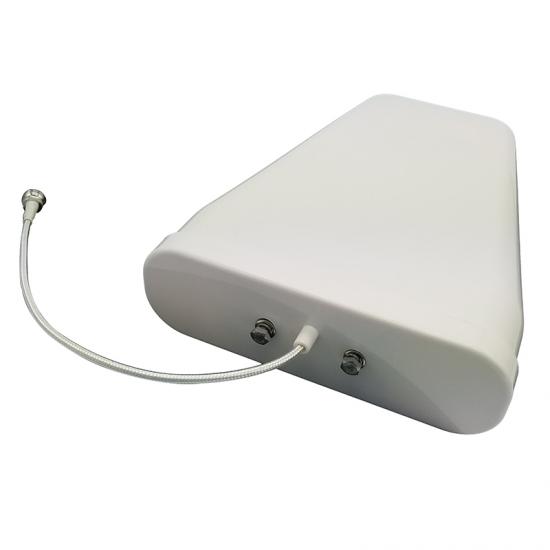
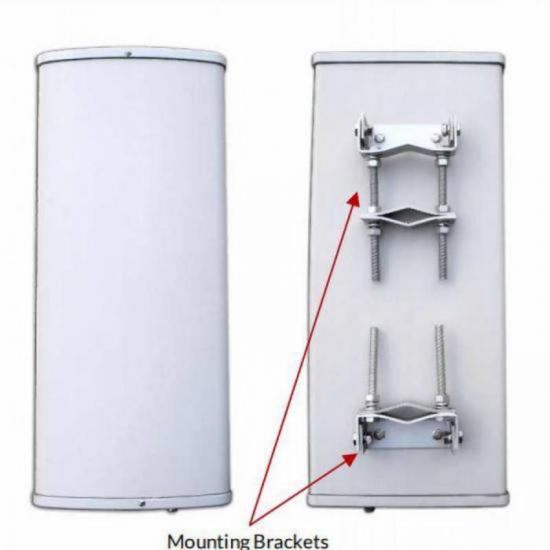
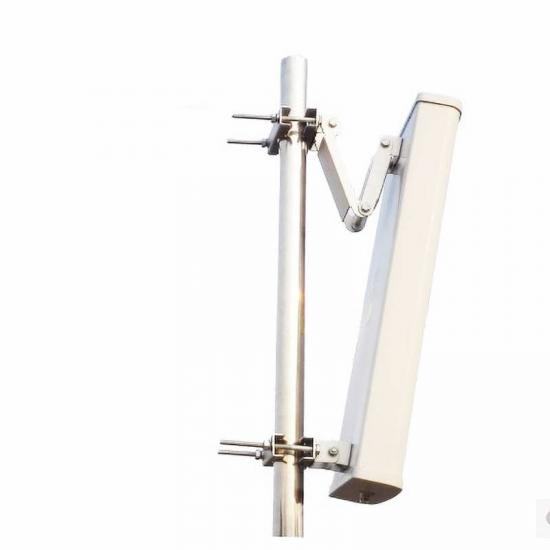
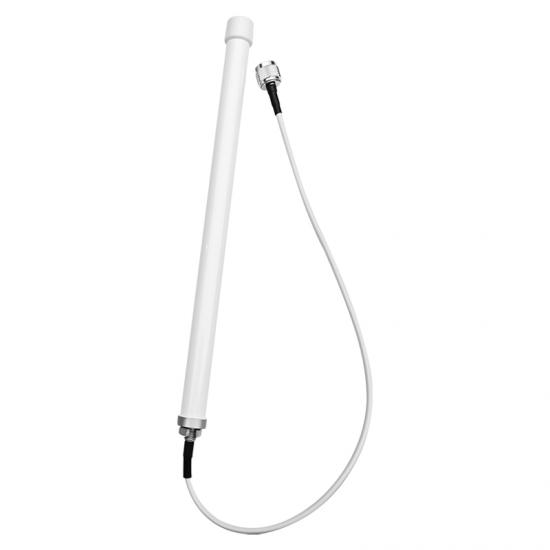
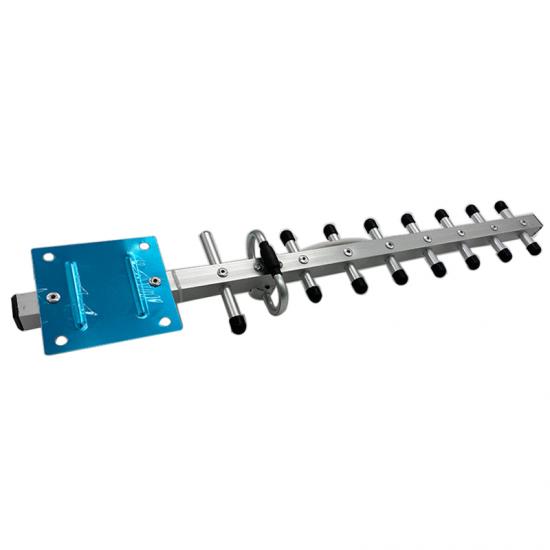
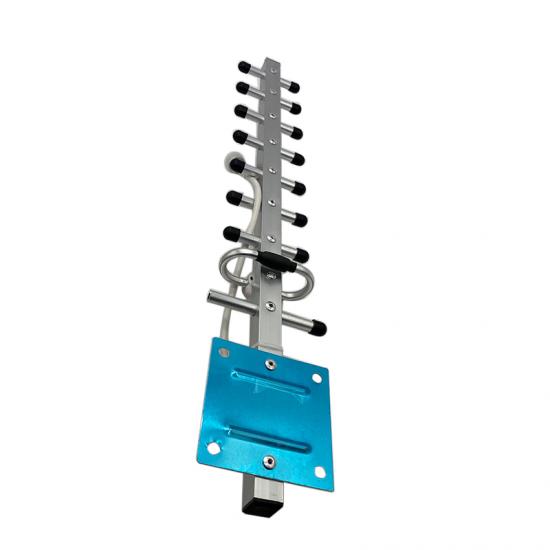
The MN-YA-UMTS2100 is a high-performance, 9-element Yagi-Uda antenna specifically optimized for the 1800-2100MHz frequency range. Delivering a substantial 13dBi gain, this antenna is designed for long-distance point-to-point communication and signal backhaul in 2G, 3G, and 4G LTE networks. Its directional design focuses signal energy to overcome path loss, making it an ideal choice for rural signal extension or as a donor antenna for indoor signal boosters in weak coverage areas.
Technical & Mechanical Specifications
| Parameter Item | Specification Details |
|---|---|
| Model Number | MN-YA-UMTS2100 |
| Frequency Range | 1800-2100 MHz |
| VSWR | ≤ 2.0 |
| Gain | 13 dBi |
| Nominal Impedance | 50 Ohm |
| Maximum Power | 50 Watts |
| Connector Type | N-Female |
| Element Count | 9 Elements |
Frequently Asked Questions
- Q1: Why is the 13dBi gain important for rural or fringe areas?
- A: A 13dBi gain indicates a high level of directivity. In areas where the base station is several kilometers away, this Yagi antenna concentrates the available signal, providing a much more stable and higher-speed data connection than a standard omni antenna.
- Q2: What is the benefit of the 9-element design on this model?
- A: The 9-element structure is precision-tuned for the 1800-2100MHz band. More elements allow for a narrower beamwidth, which increases the forward gain while reducing noise and interference from other directions.
- Q3: How critical is the alignment during installation?
- A: Because this is a directional antenna, precise alignment toward the nearest cell tower is crucial. Even a small deviation in degrees can impact the received signal strength. We recommend using a signal meter to find the peak performance point during setup.
- Q4: Is this antenna compatible with both 3G UMTS and 4G LTE networks?
- A: Yes. It covers the 1800MHz and 2100MHz bands, which are the core frequencies for UMTS (3G) and many LTE (4G) deployments globally, making it a versatile tool for legacy and modern communication projects.
- Q5: Can this antenna be used as a donor antenna for an indoor repeater system?
- A: Absolutely. It is commonly used as an outdoor donor antenna. It picks up the weak signal from the tower and delivers it via the N-Female connector to an indoor booster or repeater, which then distributes the signal inside the building.